Do you need an RV inverter with a built-in charger?
6 min read
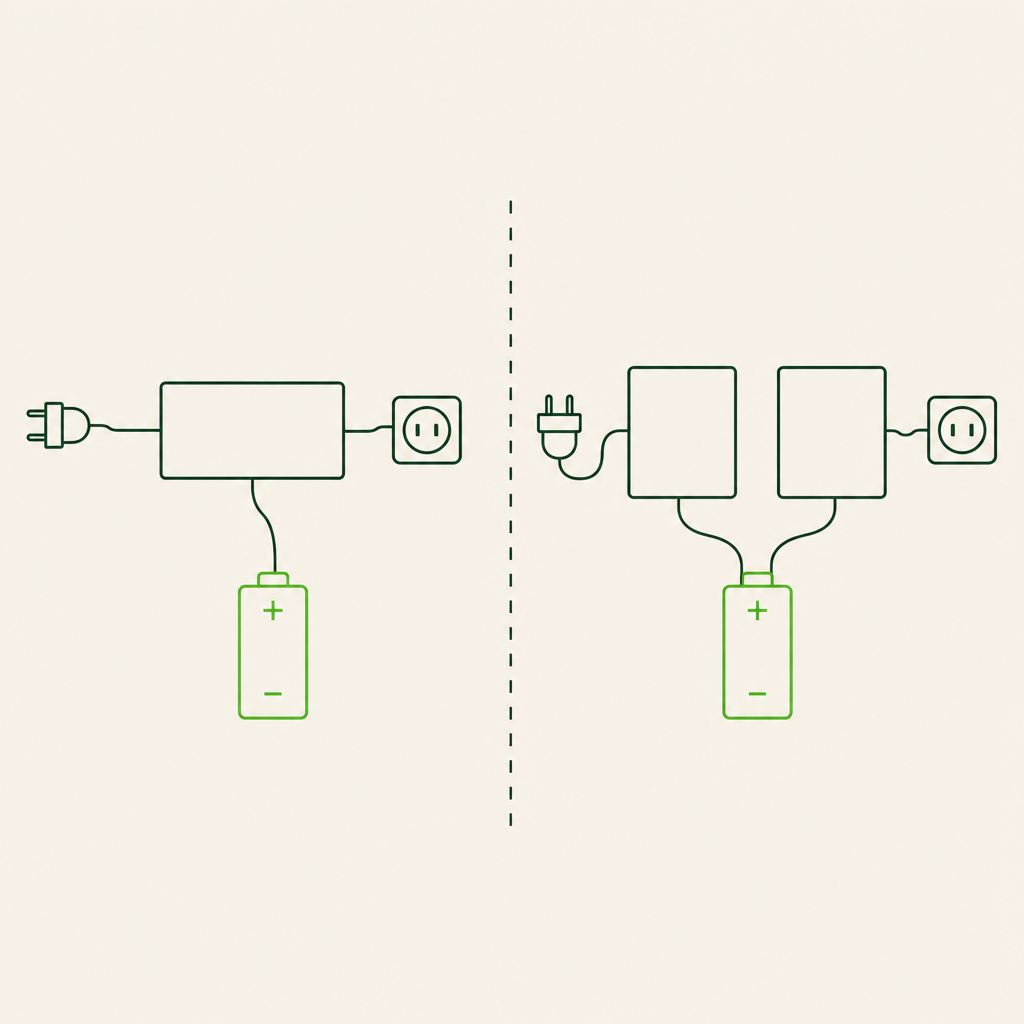
It depends on what is already in the van. An inverter with a built-in charger does two jobs in one box: it turns battery DC into AC, and it charges the battery whenever shore power is available, usually with an automatic transfer that passes the mains through to your sockets as well. If solar and a DC-DC charger already look after your charging, a straight inverter is smaller, simpler and leaves you without a single box whose failure takes both jobs with it. The built-in charger earns its place when shore power is your main charging source and you want one unit to manage it.
What the charger inside actually does
Three functions usually travel together in these units: the inverter itself, a battery charger fed from the mains, and a transfer device that decides whether the sockets are supplied by the mains or by the inverter. The third function is often why the combination is chosen, because it means shore power reaches the sockets without anyone unplugging and re-plugging anything. So when you compare a combination against separate parts, you are comparing a charger plus an automatic transfer against the parts you already own.
When a combination makes sense
- Shore power is your main charging source, and you want the battery topped up simply by plugging the vehicle in.
- You want mains pass-through to the sockets without adding a separate transfer switch.
- Locker space is tight and one box is easier to place than two.
- You want a single display and a single control point for charging and inverting.
When separate parts are the better answer
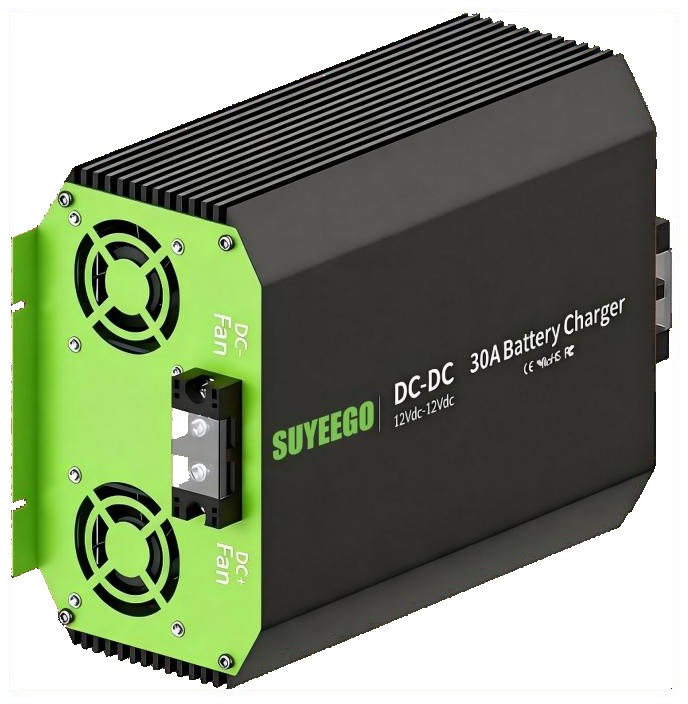
- You already charge from solar and from the alternator while driving. A DC-DC charger covers the driving hours with no mains involved; our range offers 20A, 30A, 40A and 60A with three-stage charging and a published idle draw below 0.4A.
- You would rather choose each part on its own figures than accept a bundle.
- You want to avoid a single point of failure: if the combination unit stops, you lose charging and inverting at the same time.
- You want the smaller, lighter option, or the one that is easier to replace on the road.
The question nobody asks until it matters
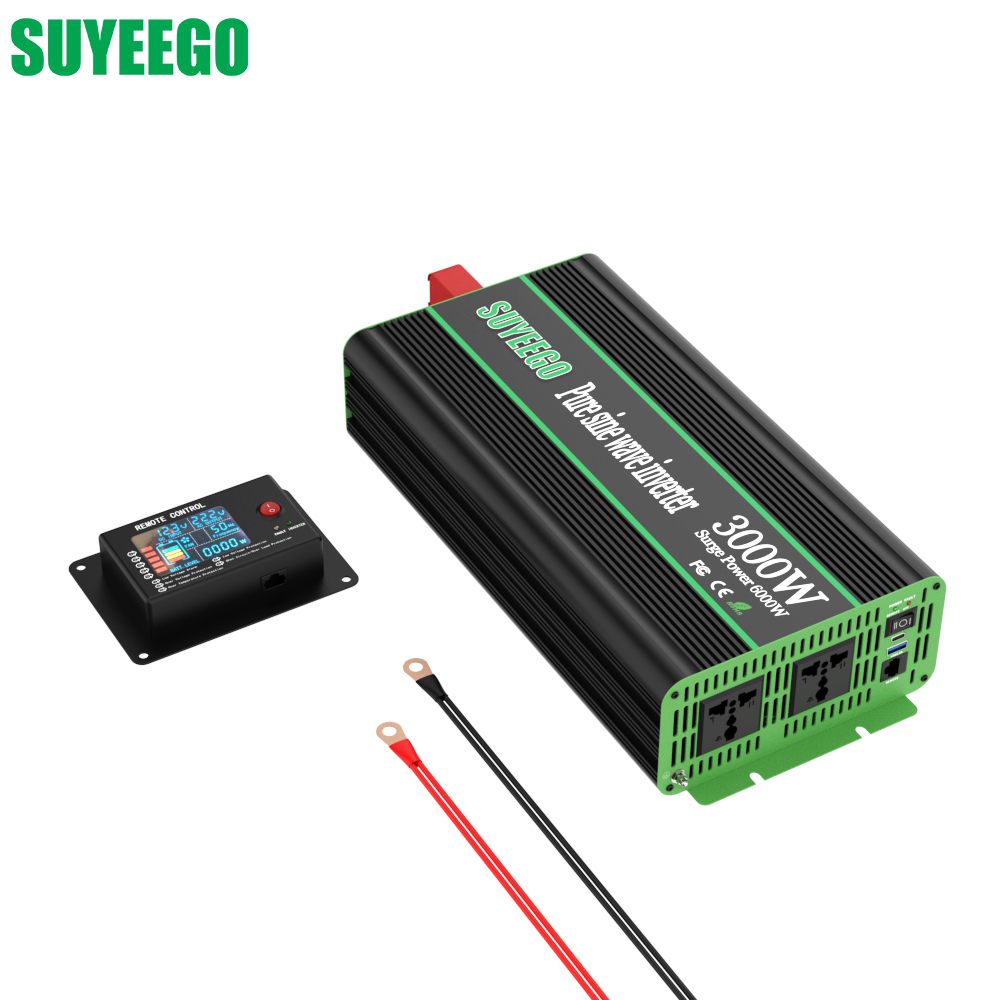
An inverter on its own converts in one direction only. It cannot charge the battery, from the mains or from the alternator, no matter what is happening at its sockets. Our SYGG-FSC range is a straight inverter: battery in, AC out, nothing back the other way. If your only charging is solar, that is fine. If you also want to charge from shore power, something else in the system has to do it, and that something is the piece to choose deliberately.
What to check on any combination unit
- Charging current, and whether its profile suits your battery chemistry and capacity. Our charger range covers flooded, gel, AGM and lithium.
- Whether the transfer is automatic or manual, and what it does to the neutral-to-earth bond when it switches between sources.
- Whether pass-through has a current limit lower than the shore supply you intend to plug into.
- What the unit does when the charger and the inverter disagree, which in practice is a question about priority and about the voltage at which the battery is handed over.
What the range publishes
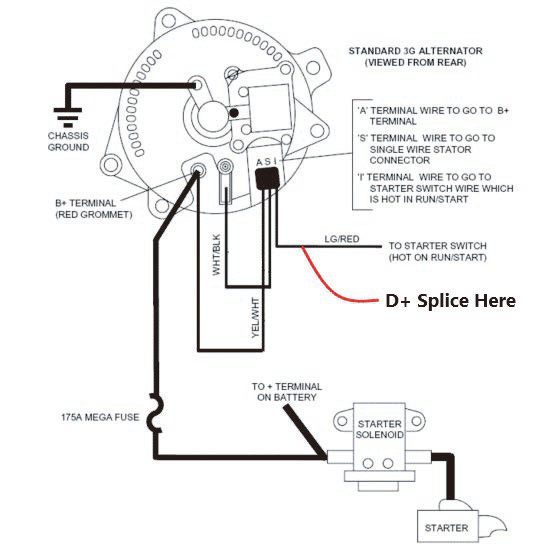
The SYGG-FSC range is a straight inverter with no built-in charger: 1kW to 3kW continuous with peak at twice that, 12V or 24V DC input, 110V or 220V output at 50Hz or 60Hz, over 95% efficiency and protection against overload, short circuit, overheat and reverse connection. For charging from the alternator, our DC-DC charger range publishes 20A to 60A with 250W to 750W output, an input range of 8V to 16V, a charging voltage of 13.2V to 14.7V, efficiency up to 90%, idle consumption below 0.4A, residual ripple below 50mVeff, low-voltage cut-off at 8V with restart at 10V, and CE, FCC and RoHS certification.
Frequently asked questions
- Can an inverter charge a battery?
- Not a plain inverter. It converts in one direction only, from the battery to AC. Charging has to be done by a charger, whether that is a mains charger, a solar charge controller or a DC-DC charger fed from the alternator.
- Is an inverter-charger worth it for a campervan?
- If shore power is your main charging source, or you want automatic mains pass-through, it can be. If solar and driving do the charging, a straight inverter plus a DC-DC charger is usually simpler and avoids one box that can fail both jobs at once.
- Do I still need a solar controller if I have an inverter-charger?
- Yes. The array needs its own controller between the panels and the battery. An inverter-charger handles the mains and AC side; it does not replace the solar controller.
- How much charging current do I need?
- Match it to the current your battery accepts and to the time you are willing to wait. Our 12V 200Ah LiFePO4 battery is published with a maximum charging current of 100A, so a 60A charger fills it considerably faster than a 20A one while staying inside that limit.