Can an RV solar system run a washing machine?
7 min read
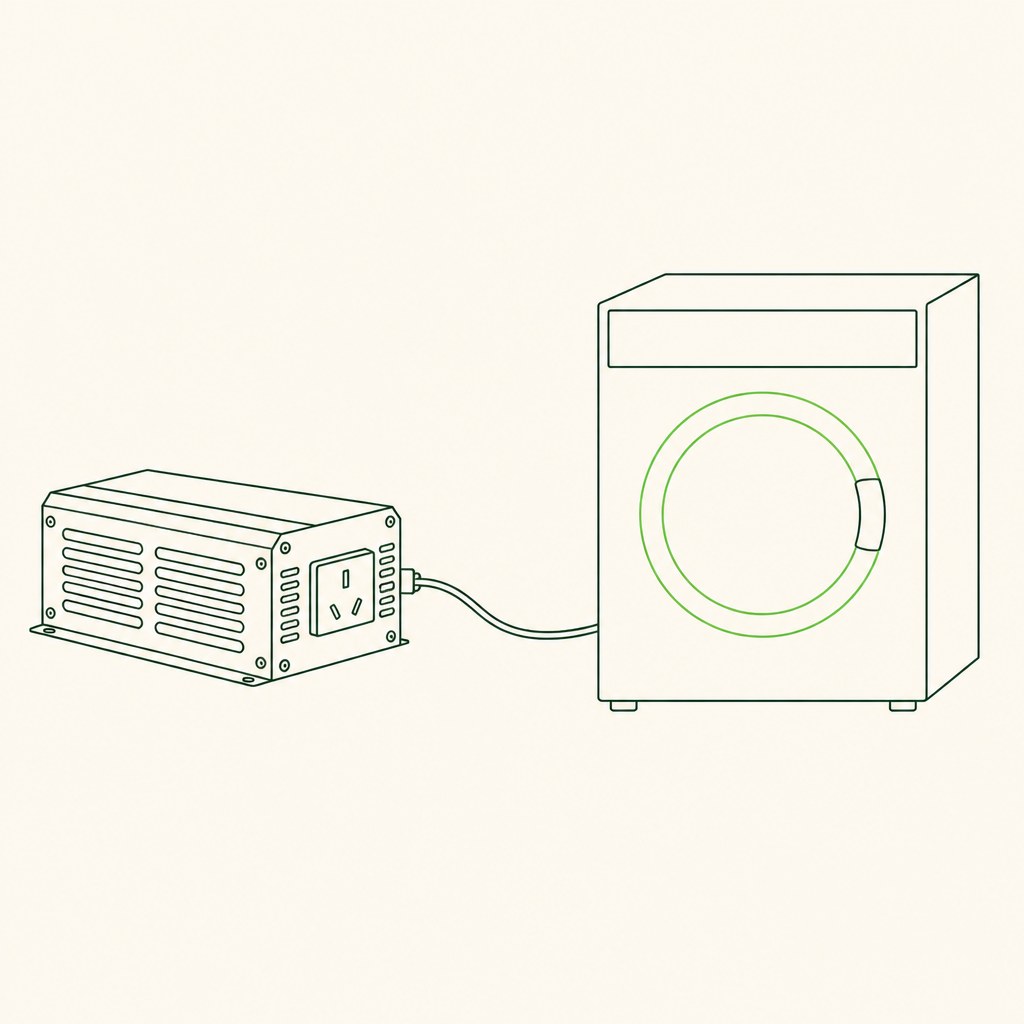
Sometimes, and the deciding factor is almost always whether the machine heats its own water. A cold wash is a motor and a pump, which an inverter in our 1000W to 3000W range will carry comfortably. A hot wash adds a heating element, which can be the largest single load in the vehicle and may exceed the inverter on its own.
Separate the motor from the heater
A washing machine contains two quite different loads. The drum motor and the drain pump are modest and intermittent. The heater, if the machine has one, is large and continuous for as long as it takes to bring the water up to temperature. On mains power nobody separates them; on a battery they are the difference between a comfortable load and an impossible one.
So the first question is not how big the machine is but whether it heats water itself. A cold-fill machine that takes hot water from elsewhere, or one with no heater at all, is a far easier proposition.
What the inverter has to carry
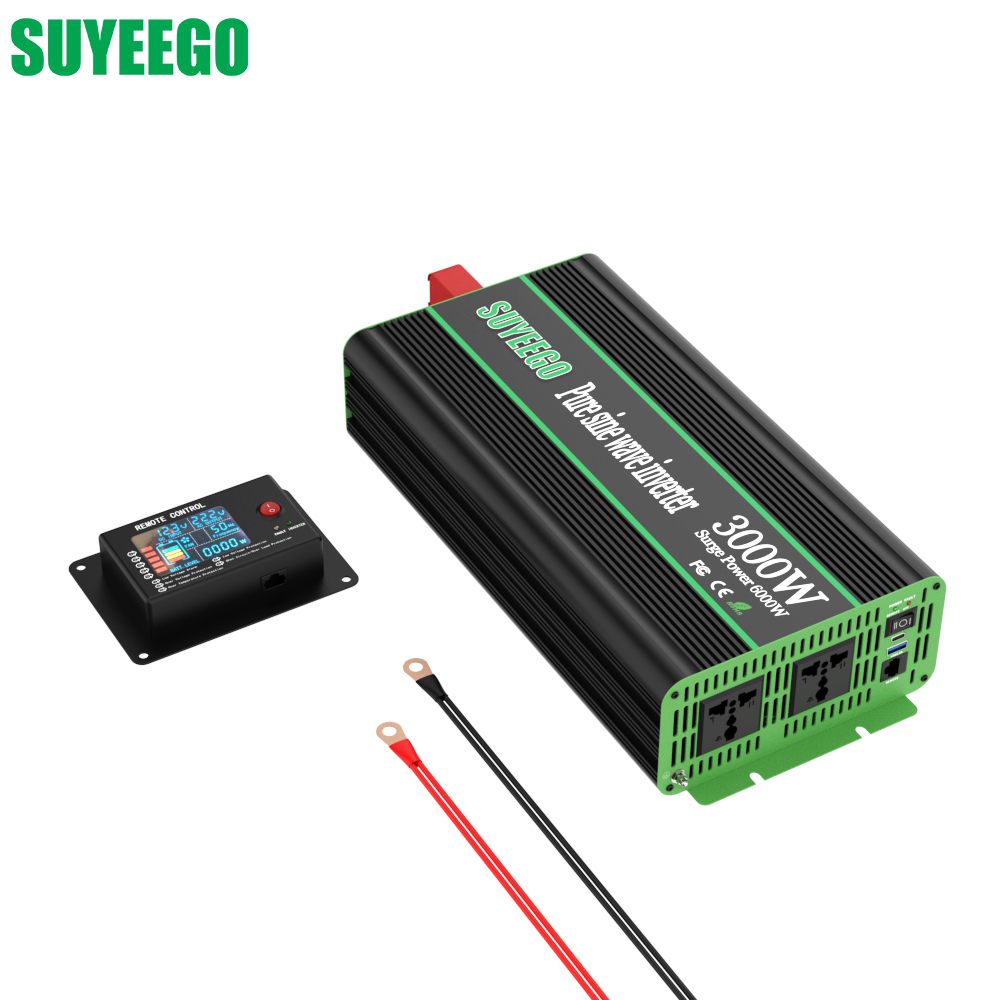
Our pure sine wave inverters run from 1000W to 3000W continuous, with a published peak of exactly twice the continuous rating across the range - 1000W/2000W up to 3000W/6000W. The peak is there to absorb a motor's start-up surge, which lasts a fraction of a second. It is not there to run a heating element, which draws its full power for minutes.
The energy question comes after the power question
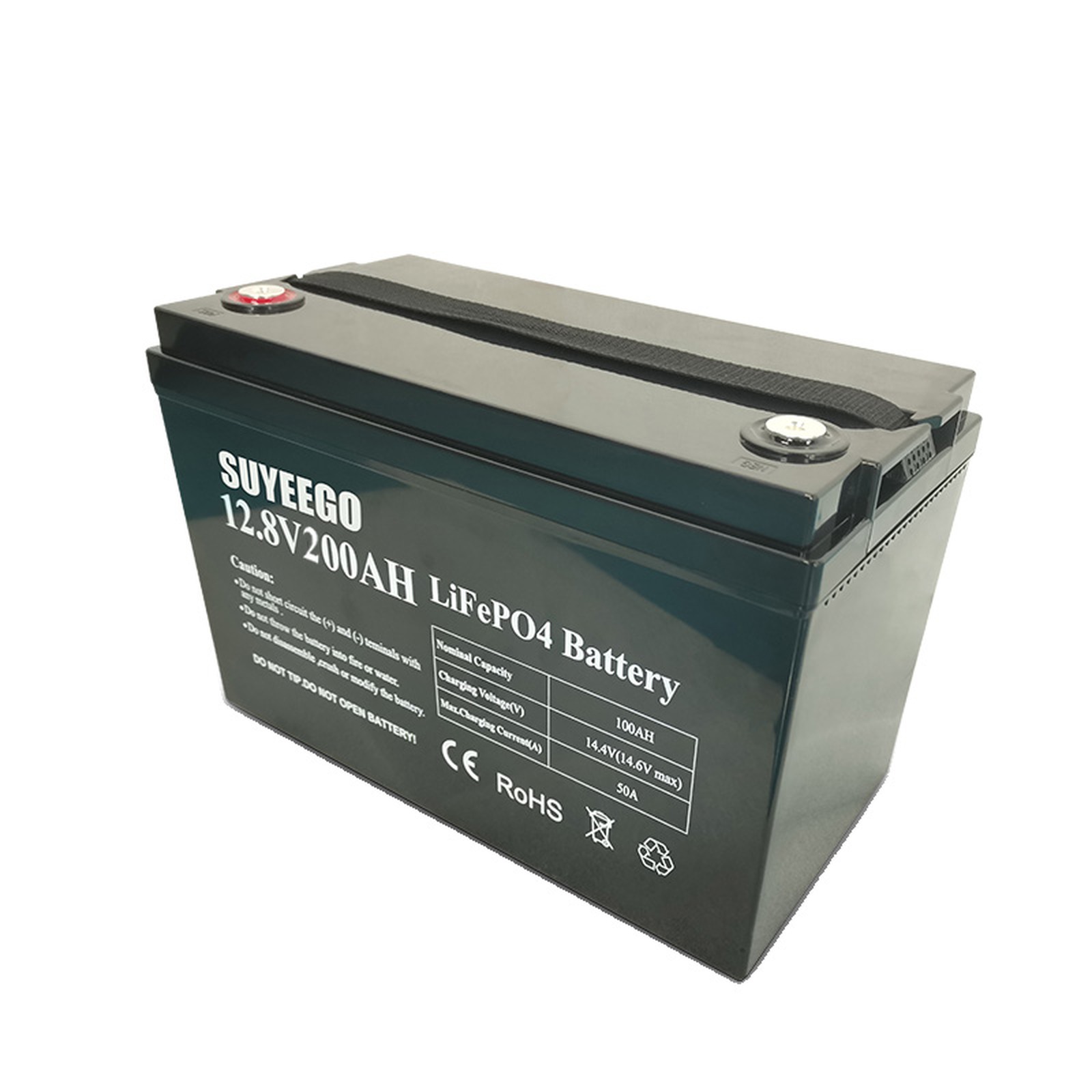
Once the inverter can carry the load, the next question is whether the battery and the array can afford it. A wash is a short, heavy draw compared with a fridge that runs all day, so it behaves more like a kettle than like a background load: the battery supplies a burst and the array replaces it over the following days.
That makes a wash something you plan rather than something that happens in the background. Running it while the sun is strong, and while you are driving, spreads the cost across the two sources that can actually supply it.
Practical points that decide it
- Read the machine's own rating plate rather than a typical figure; the heater wattage is the number that matters.
- Check whether the machine can be set to cold wash, and whether that setting still spins and drains normally.
- Give the inverter ventilation. A long, heavy draw in a closed locker is where a thermal cut-out happens.
- Keep the run from battery to inverter short and adequately sized; a washing machine is the load that exposes a thin cable.
What we do not publish
We do not publish a table of appliance consumptions, nor a recommended inverter size for a washing machine. Appliance ratings vary far too much between models for a published figure to be safe, and the rating plate on the machine is the authority.
Frequently asked questions
- Can a 2000W inverter run a washing machine?
- It depends entirely on whether the machine heats water. A cold wash is well within a 2000W continuous rating. A hot wash may draw more than that on the heater alone, and a peak rating of twice continuous does not help with a load that is continuous.
- Is a cold wash still effective?
- That is a question for the detergent and the machine rather than for the electrical system. From the system's side, a cold wash removes the single largest load and makes the whole proposition several times easier.
- Will it drain the battery?
- A wash is a burst rather than a background load, so the question is how much energy it takes and how quickly the array replaces it. That is the same arithmetic as any other short heavy load, and it is worth doing before the first wash rather than after.
- Does the inverter need to be pure sine wave?
- For a machine with a motor and any electronics, yes. Our range is pure sine wave throughout, which is what motors and control boards expect.