How do you choose a solar panel for a camper van?
8 min read
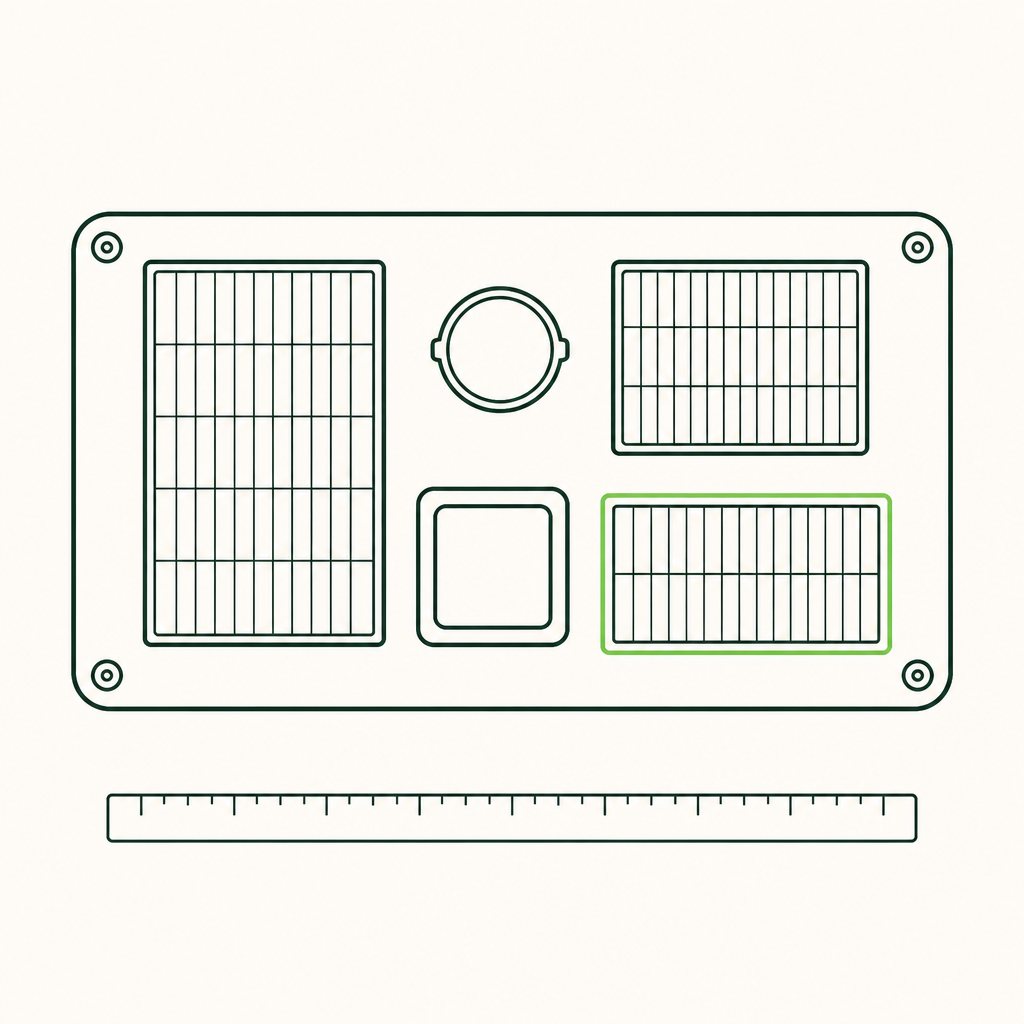
Choose by working down from consumption rather than up from a panel. Fix the daily watt-hours, convert that to array watts for your least sunny month, check the roof area and payload that leaves you, then confirm the panel's open-circuit voltage and short-circuit current suit the controller. Cell technology matters less than those four constraints, and the electrical match is the one most often skipped.
Step one: the daily figure
Everything starts with watt-hours per day, measured rather than assumed. Without it, every later step is a guess dressed as a decision, and the panel you buy is whatever a supplier happened to have in stock.
Step two: array watts for the worst month
Divide the daily watt-hours by the sun hours of your least sunny month, then divide again by a system efficiency allowance for controller losses, wiring and heat. Using the best month instead produces a system that is comfortable in July and short in December.
This is the step where most vans discover they need more roof than they have, and the honest response is either to cut consumption or to accept a second charging source rather than to buy a panel that cannot deliver the figure.
Step three: roof area and payload
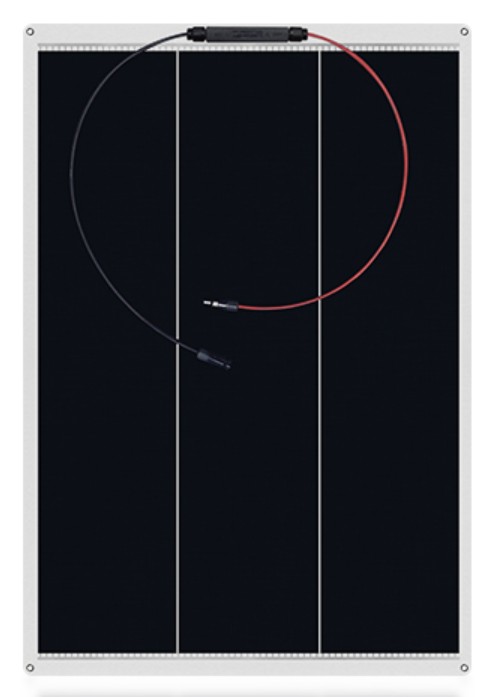
Measure the flat area you actually have, not the roof's overall length. Vents, skylights, aerials, air conditioning units and curves all remove usable space, and panels cannot overlap them. A flexible panel can follow a gentle curve; a framed panel needs flat mounting points and clearance for air underneath.
Payload is the second half of this step. Photograph the plate, note the gross weight, and subtract what passengers, water and gear already use.
Step four: the electrical match
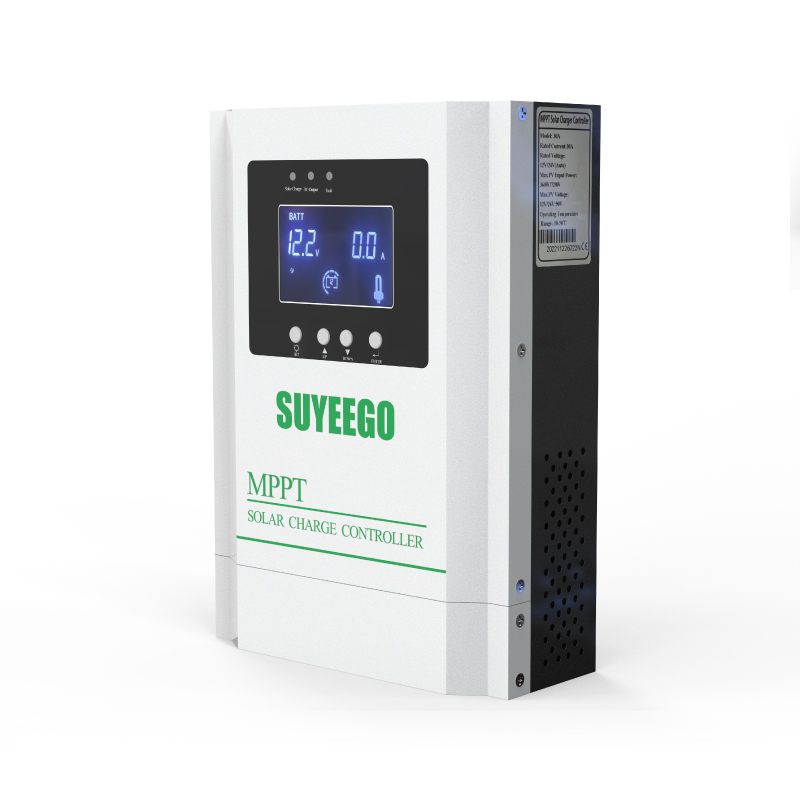
Two numbers have to fit the controller: the array's open-circuit voltage at the coldest expected temperature, which rises above the label figure, and its short-circuit current, which the controller must accept with headroom. Get the first wrong and the controller is destroyed on a frosty morning; get the second wrong and it simply limits output and you never notice.
Series and parallel wiring changes both numbers in opposite directions, which is why the wiring decision belongs here rather than at installation time.
Flexible or framed, decided on the roof you have
| Flexible, bonded down | Framed, on rails | |
|---|---|---|
| Roof shape | Flat or gently curved | Flat mounting points needed |
| Weight | Lighter: no frame or rails | Heavier, mounted high |
| Heat | Runs hotter without an air gap | Cooler with air underneath |
| Foot traffic and hail | Vulnerable | More tolerant |
| Removal | Adhesive has to come off | Unbolt and lift |
What to ignore
Cell efficiency percentages are the least useful number on the datasheet for a van, because the constraint is roof area, not efficiency: a 5% better cell in a panel that does not fit is worth nothing. What matters is watts per square metre of the panel you can actually mount, and the dimensions on the drawing rather than the headline wattage.
Frequently asked questions
- How many watts of solar does a camper van need?
- Enough to cover your daily watt-hours in your least sunny month, which is a calculation rather than a rule of thumb. A van with a compressor fridge commonly lands far above the figure people expect once winter is taken into account.
- Is a flexible panel worse than a framed one?
- It is different, not worse. It saves weight and follows a curved roof, but runs hotter, needs a flat substrate and cannot be lifted off for repair. The right choice depends on the roof and the climate.
- Does panel voltage matter if the controller is MPPT?
- Yes. An MPPT controller has a maximum input voltage that the array's cold open-circuit voltage must stay below, and a minimum voltage above the battery's for it to work at all. Both come from the panel datasheet.
- Can I mix two different panels?
- You can, but mismatched panels in series drag each other to the weaker one's current, and in parallel to the lower voltage. If they differ, separate controllers usually recover more than clever wiring.