Do you need a self-heating lithium battery for winter camping?
6 min read
Only if you charge in freezing weather and the battery sits somewhere cold. LiFePO4 will not accept charge below 0 °C and can be damaged if it is forced to, so a van used in winter has to solve that problem one way or another. A self-heating pack solves it internally: it warms its own cells to a temperature where charging is safe, then lets the charge in. If your winter plan is to charge from solar at sub-zero temperatures, the heater earns its place. If you rarely charge below freezing, because the battery sits inside a warm space or the van is laid up for the winter, a pack with low-temperature protection that simply refuses to charge may be enough, and the heater is available as an option if the way you use the van changes.
Why cold charging is the problem
A lithium battery has two temperature windows, not one, and they are different. Discharging below freezing is generally acceptable; charging is not. Charging a LiFePO4 cell below 0 °C can plate lithium inside the cell, and the damage is permanent rather than temporary. That is why a battery datasheet quotes a discharge range that starts well below zero and a charge range that starts at zero: the two limits exist for different reasons.
What a self-heating pack does
- A heating element inside the case warms the cells before charging is allowed to start.
- The energy for that comes from the battery or from the charging source, so a cold pack spends part of what you feed it on getting itself warm.
- Low-temperature protection still sits underneath the heater: charging is blocked below the threshold, and discharge stops at a much lower limit, which for most packs is well below −10 °C.
- The heater is only useful while a charge source is present. A pack standing in the cold cannot warm itself indefinitely.
What the heating costs you
Heating is not free, and the cost is paid out of the same battery. In very cold conditions a noticeable share of the charging current goes into bringing the cells up to temperature before any of it is stored, so a heated pack takes longer to charge than the same pack in summer. It also costs more than an unheated one and adds a component that can fail, which is why the feature is worth paying for only where cold-weather charging is genuinely part of the plan.
The alternatives
- Keep the battery inside the insulated living space, where the van's own heating protects it.
- Insulate the compartment it sits in, which slows the loss of whatever warmth reaches it.
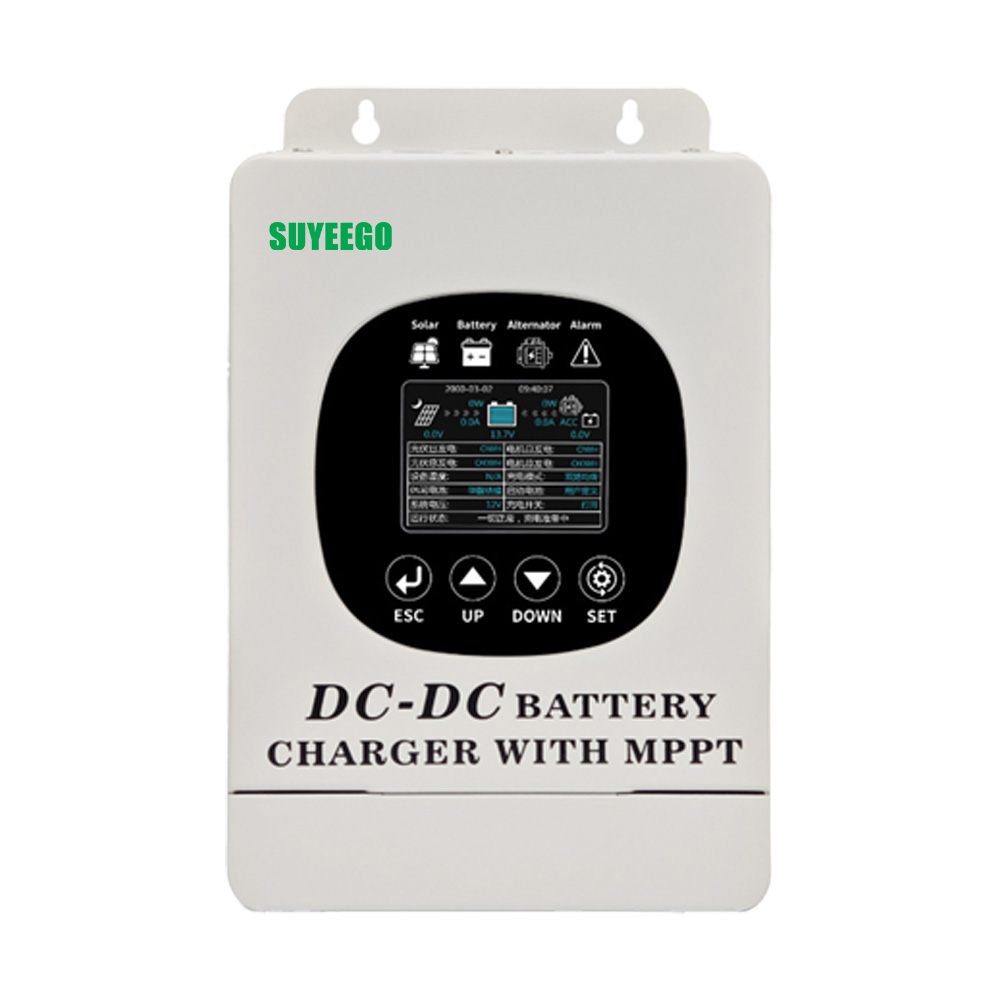
- Charge while you drive: the alternator and a DC-DC charger work whenever the engine is running, which is often when the van is already warm.
- Wait for the day to warm the roof. On a clear winter morning the panel produces little, but by mid-morning the compartment is usually above freezing.
- Or accept no charging in the cold. A pack with low-temperature protection simply refuses, which is safe but leaves the battery where it was.
The figures the range publishes
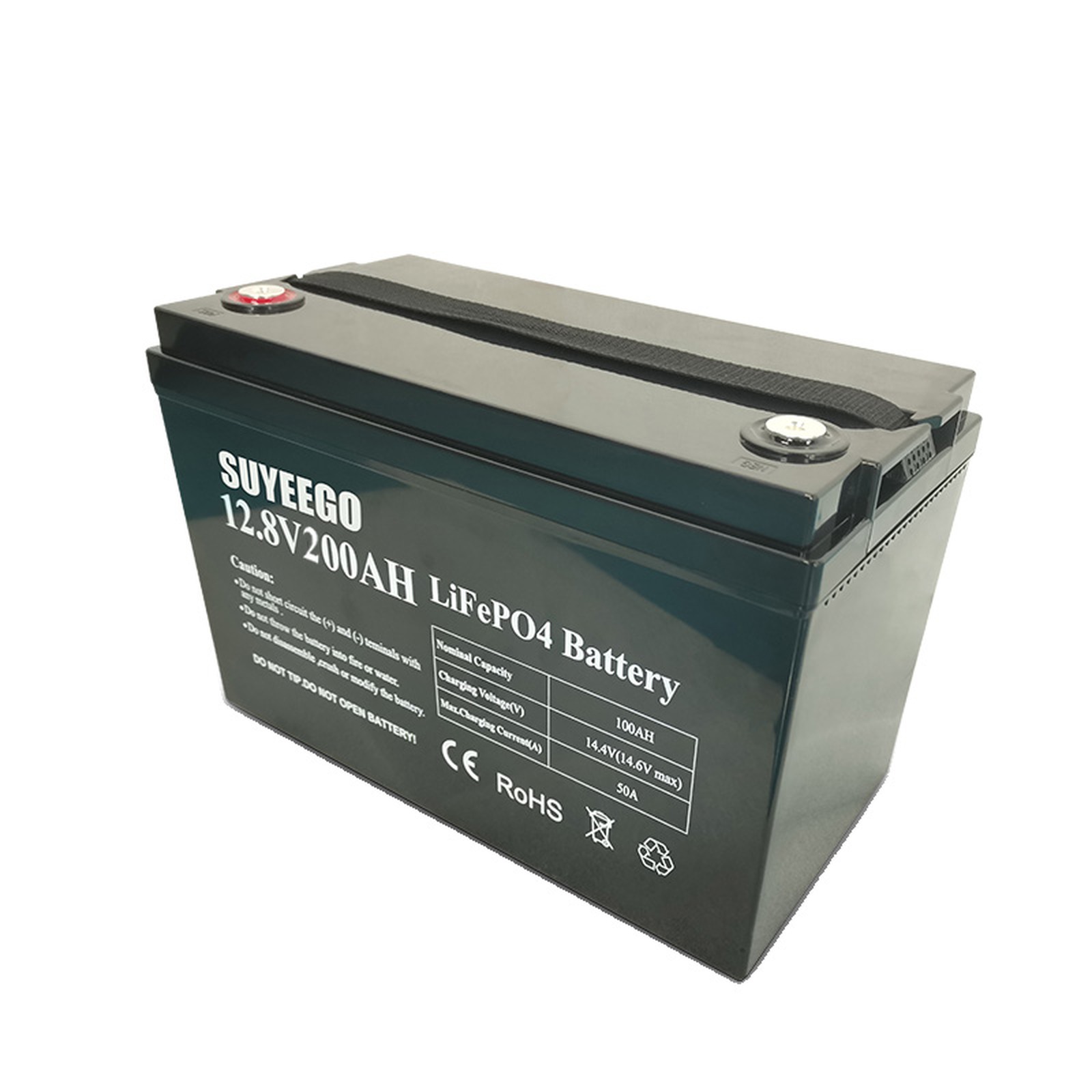
SUYEEGO's 12.8V 200Ah LiFePO4 battery publishes a charge window of 0 °C to 60 °C, a discharge window of −15 °C to 60 °C and a storage window of −15 °C to 50 °C, with charging at 14.40V to 14.60V and up to 100A. Those are the standard figures, and they are the reason the heater option exists: the same battery can be supplied with an integrated heating function that brings its cells up to a safe charging temperature, so winter charging does not depend only on where the battery is mounted or on waiting for the day to warm up.
Frequently asked questions
- Can I charge a LiFePO4 battery at 0 °C?
- The charge window of a LiFePO4 battery starts at 0 °C, so that is the boundary rather than a comfortable working temperature. Discharge is different: a lithium battery can be discharged well below freezing, which is why a cold battery can still run the van while the charging has to wait.
- Does a self-heating battery warm the whole compartment?
- No. It warms the cells inside its own case, which is what the charge protection needs. It is not a heater for the battery box, so in a very cold compartment the installation still benefits from insulation and from keeping the box out of the worst of the weather.
- Will the heater flatten the battery?
- It draws energy, so a pack that heats itself repeatedly with no charging source will lose charge. In practice most designs only heat while a charge source is connected, and they have a threshold below which the heating cycle is not started at all.
- What if my battery has no heater?
- Three installation measures: keep the battery in the warm part of the van where that is possible, insulate and if possible warm the compartment it sits in, and charge when the battery is already warm, for example from the alternator while driving or from solar once the day has lifted the temperature above freezing. If you are still choosing the battery, this range offers an integrated heater as an option, which solves the problem inside the case rather than in the installation.