Looking after an RV solar system: what to check and when
7 min read
A solar system has no moving parts, so looking after it is inspection rather than servicing — and almost everything that goes wrong shows up first as a number that has quietly fallen. The routine is short: look at the panels and their cable entries, check the connections for tightness and discolouration, read the controller's daily figures rather than its instantaneous ones, and check the battery's resting voltage. Ten minutes a month, and a slightly longer check before a trip and before winter, will catch the faults that otherwise present themselves as a battery that no longer reaches full.
The panels
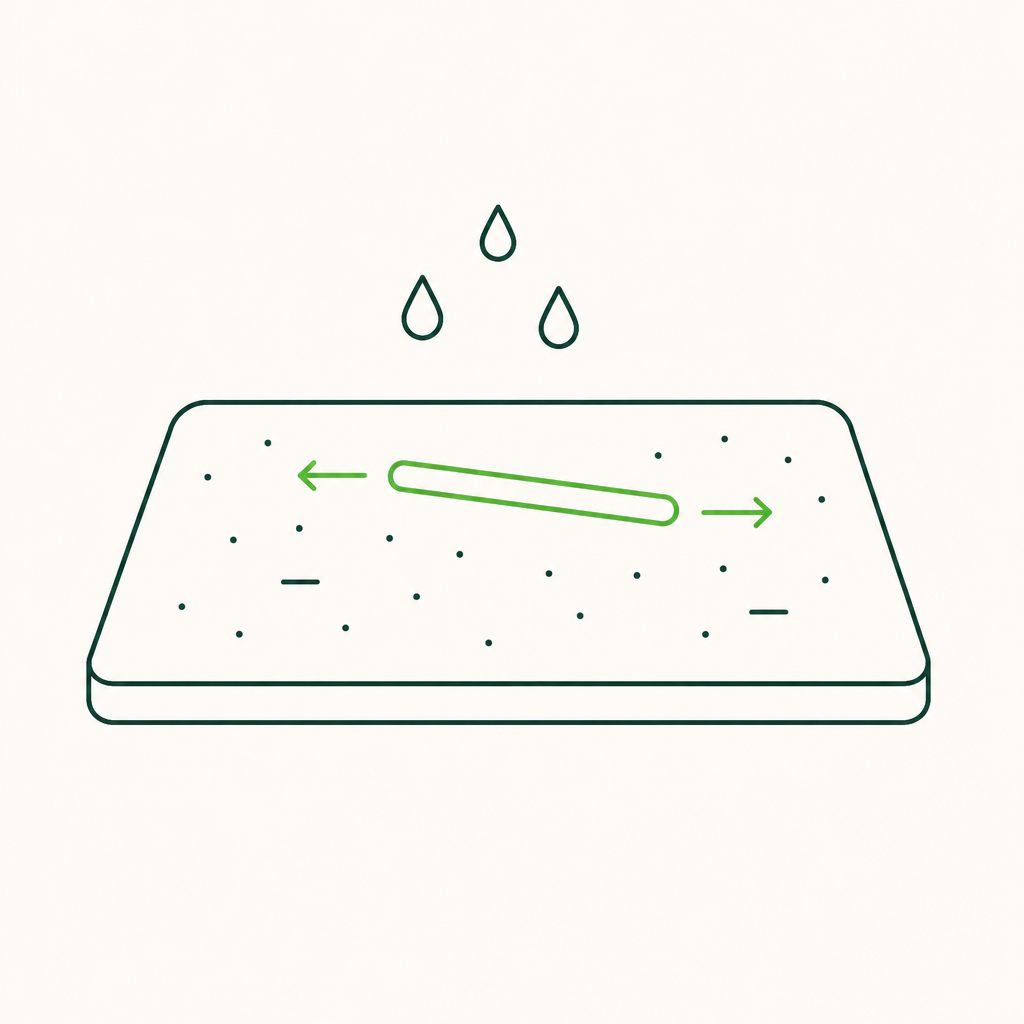
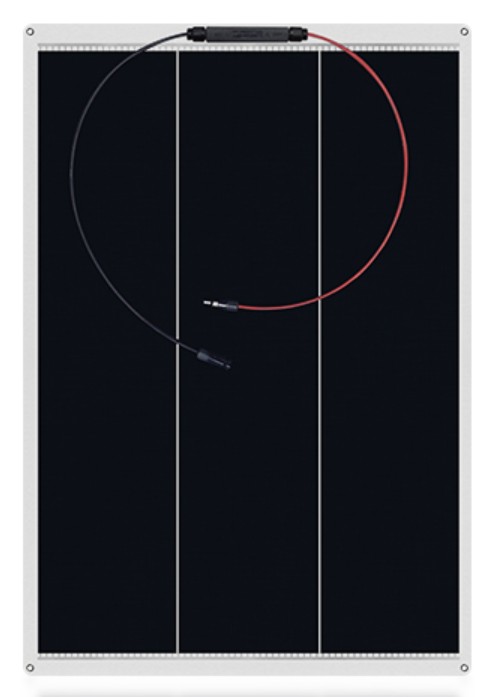
- Clean the surface with water and a soft brush. Never a pressure washer, never a scouring pad, and never a solvent — the front of a flexible panel is a polymer film rather than glass.
- Do not walk on the panels, and do not stack anything on them when the vehicle is in storage.
- Look for new shade: a roof box, a bike rack, an awning or a tree that was not there last season. A new shadow costs more output than a dirty panel ever will.
- Check the cable entry where the cable leaves the panel, which is the point most exposed to strain and to water.
- On a bonded flexible panel, look along the edges for anything lifting before it becomes a panel that moves at speed.
The cables and connections
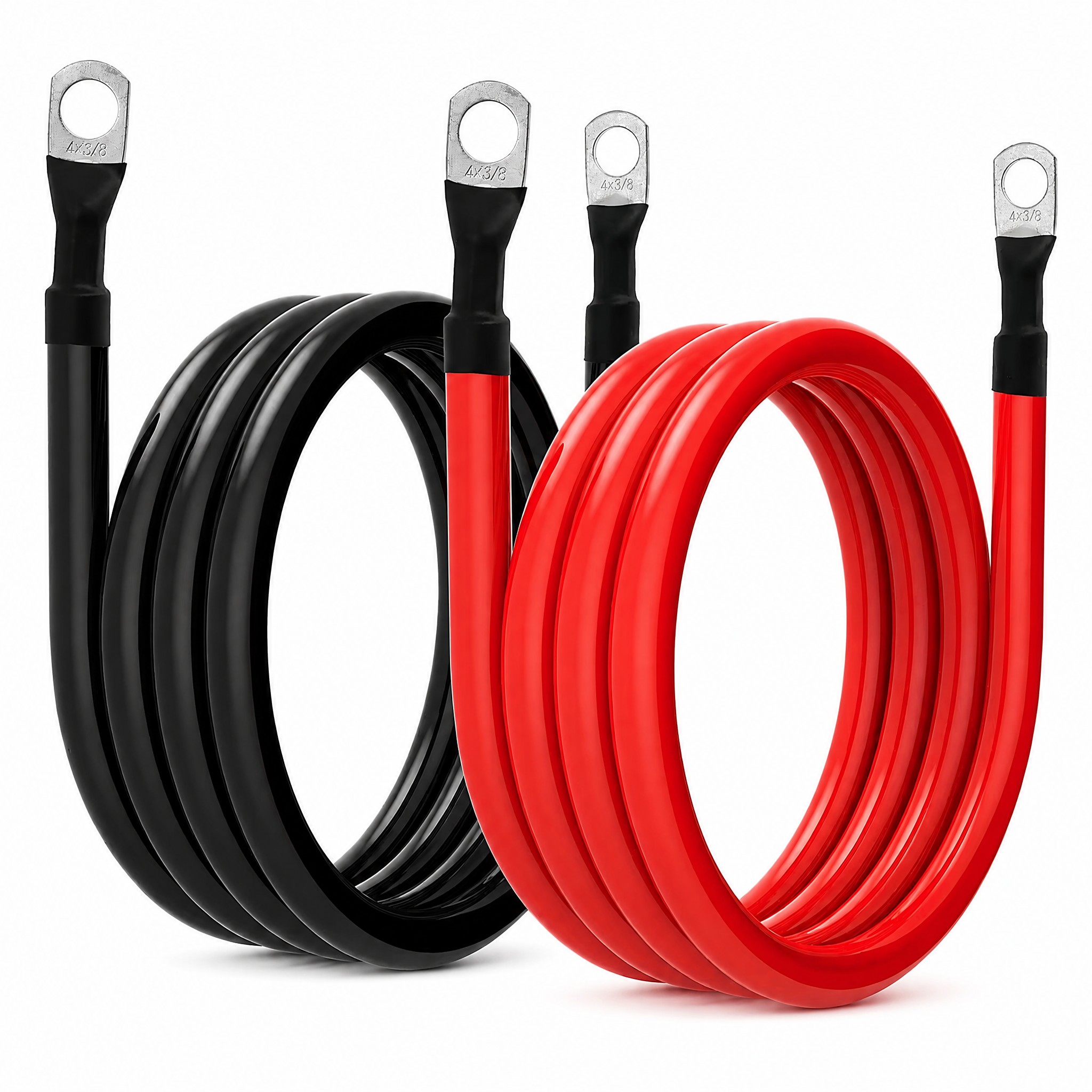
- Check that lugs and terminals are tight. The 12.8V 200Ah battery in this range uses M8 terminals, and a loose one presents itself as heat rather than as anything visible.
- Feel for warmth and look for discolouration at every high-current joint. Both are signs of resistance, and resistance is the beginning of every cable failure.
- Confirm the fuse is still the correct rating rather than a larger one fitted to stop it blowing again.
- Look for chafe where the cable passes a panel edge, a bulkhead or a gland, and for any point where it has been pinched.
- Check the battery terminals for corrosion. Cable with a tin-plated jacket resists it, but the joint itself is still exposed.
The controller and the charger
- Read the daily harvest figures rather than the instantaneous reading. A system failing slowly looks normal at any single moment.
- Check the unit is not hot in a closed locker. If the space it lives in has no vents, that is the fault to fix first.
- Keep the vents and the cooling surfaces clear of dust and of anything resting against them.
- Note any fault indicator rather than clearing it, and check the unit against its operating temperature window if it has been shutting down.
The battery
- Measure the resting voltage with the loads off and the charging sources isolated. Compare it with what it was a month ago rather than with a table.
- Check the terminal torque and the condition of the case, which is sealed to IP55 — dust and water spray, not immersion.
- Keep the compartment ventilated and free of anything that would hold heat around the battery.
- Note how long the battery takes to reach full. A battery that takes longer than it used to is telling you something.
A routine that fits the year
| When | What to check |
|---|---|
| Monthly | Panel surface and any new shade; controller daily figures |
| Before a trip | Battery resting voltage; terminal tightness; fuse rating; cable condition |
| Before winter | Charge the battery and isolate the charging sources |
| Once a year | Cable entries and seals; corroded terminals; anything that has worked loose |
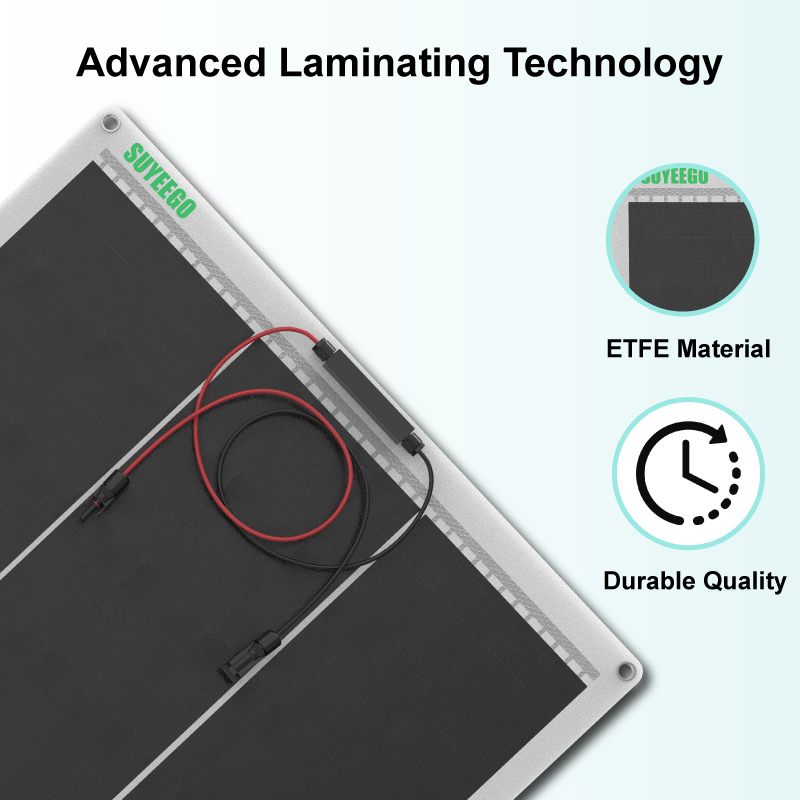
SUYEEGO's flexible panels are built as a laminate with a waterproof TPT back sheet and an ETFE front surface, and the range covers 50W to 230W — a construction with nothing to service and a surface that repays being cleaned rather than scrubbed. If a check turns up something you are not sure about, send us a photograph and the controller's daily figures and we will read them with you.
Frequently asked questions
- How often should RV solar panels be cleaned?
- When they look dirty, which for most vehicles is a few times a year. Dust costs a small percentage of output, and more in the seasons when there is least light to spare.
- How do I clean a solar panel?
- Water and a soft brush, ideally when the panel is cool rather than in the middle of a hot day. No pressure washer, no abrasives and no solvents, because the front surface of a flexible panel is a polymer film.
- Do solar panels need servicing?
- There is nothing to service — no moving parts and no consumables. What they need is inspection: the surface, the cable entries, the joints and the readings.
- What is the first sign that a solar system is failing?
- A battery that no longer reaches full, or daily harvest figures that have drifted down. Both are gradual, which is why reading the daily totals matters more than looking at the instantaneous ones.