How should a 12V system be earthed in an RV?
7 min read
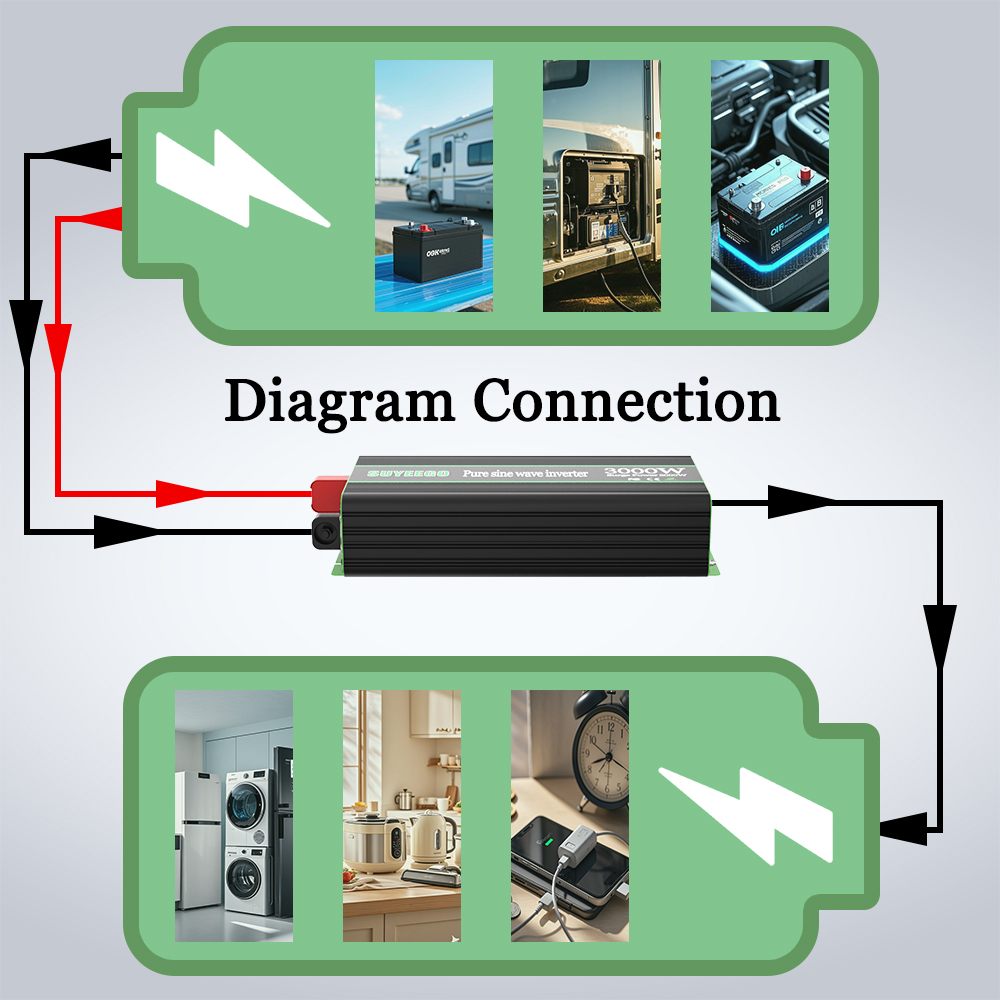
Two systems share the word earth and they do different jobs. On the 12V side, earthing normally means bonding the battery negative to the chassis so that the bodywork sits at one potential - but the negative is a current-carrying conductor, not a connection to the ground, and the chassis should not be used as the return path for loads. On the AC side, the protective earth is a separate safety system that protects people, and it has to be bonded at one defined point in the supply rather than wherever a cable happens to touch metal. Keep the two roles distinct, make the DC bond a single deliberate connection that is sized for fault current, and have the AC side checked by someone qualified to certify it.
Two systems that share one word
In a building, earth means a rod in the ground and a conductor to it. In a vehicle there is no rod: the tyres insulate it, and what people call earth is a bond to the chassis. That difference is worth holding on to, because a chassis is a large piece of steel that connects to many things, and it will conduct whether or not anyone intended it to.
The DC side and the AC side both need a reference and both need fault current to have a path, but they are not the same circuit and they are not interchangeable. Most of the confusion in this area comes from treating them as one subject.
The DC negative is a conductor
Every amp that leaves the battery positive has to come back to the negative. That return current is real current in a real conductor, and it needs a path with enough capacity for it. Calling that conductor earth does not change what it does.
That is the argument against using the chassis as the return path for appliances. A load wired with its negative to the bodywork puts its return current through whatever steel happens to be between it and the battery: through spot welds, sealant joints and brackets, none of which were chosen for the current or protected by a fuse.
Why bond the negative to the chassis at all
Two practical reasons. The first is that a great many accessories - radios, lights, pumps, sensors - use their mounting as their negative connection, and they only work if the bodywork is at the battery's negative potential. The second is that a bond gives a fault current somewhere to go, so that a positive cable rubbing through against the body becomes a fault that blows a fuse rather than a live chassis waiting for a person.
The second reason only works if the bond can carry the fault current and if the fuse protecting the cable is smaller than what the bond can take. A thin braid to a painted bracket provides the appearance of a bond and none of the function.
One deliberate bond, not several accidental ones
- Make one bond, at a defined point, with a clean bare-metal contact and a fastener that will not loosen.
- Size it for fault current, not for the small standing currents of accessories.
- Expect that mountings will create other paths anyway: a charger bolted to steel, a bracket touching the body. Those are parallel paths and they are hard to avoid entirely.
- Know where they are, because each one is a route that bypasses a fuse or a shunt.
- Where a component's negative is meant to be isolated, mount it on an insulating pad rather than relying on paint for insulation.
The AC side is a different question
The protective earth on the AC side exists to protect people, not to return load current. Its job is to make a fault trip a protective device quickly, and that depends on the supply's neutral and earth being bonded at the right place - which is at the source, not at every socket, and not in the vehicle at several points at once.
An inverter that makes its own AC supply and a shore connection that arrives with one behave differently in this respect, and getting it wrong can leave a residual current device unable to trip. This is the part of the installation where the honest answer is that it has to follow the code that applies where the vehicle is used, and be signed off by someone qualified. Nothing in this guide should be read as a substitute for that.
What to check on an existing installation
| Check | What good looks like | What it means if it does not |
|---|---|---|
| Main DC bond | One cable, bare metal, sized for fault current, tight | A painted or thin bond will not clear a fault |
| Appliance returns | Each load has its own negative conductor | Chassis carries load current through unprotected joints |
| Shunt placement | All battery current passes through it | Monitor under-reads and drifts optimistic |
| Component isolation | Insulating pads where isolation is intended | Accidental paths bypass fuses and shunts |
| AC protective earth | Bonded at the source, protective device tested | A fault may not trip anything - get it inspected |
The parts this range uses
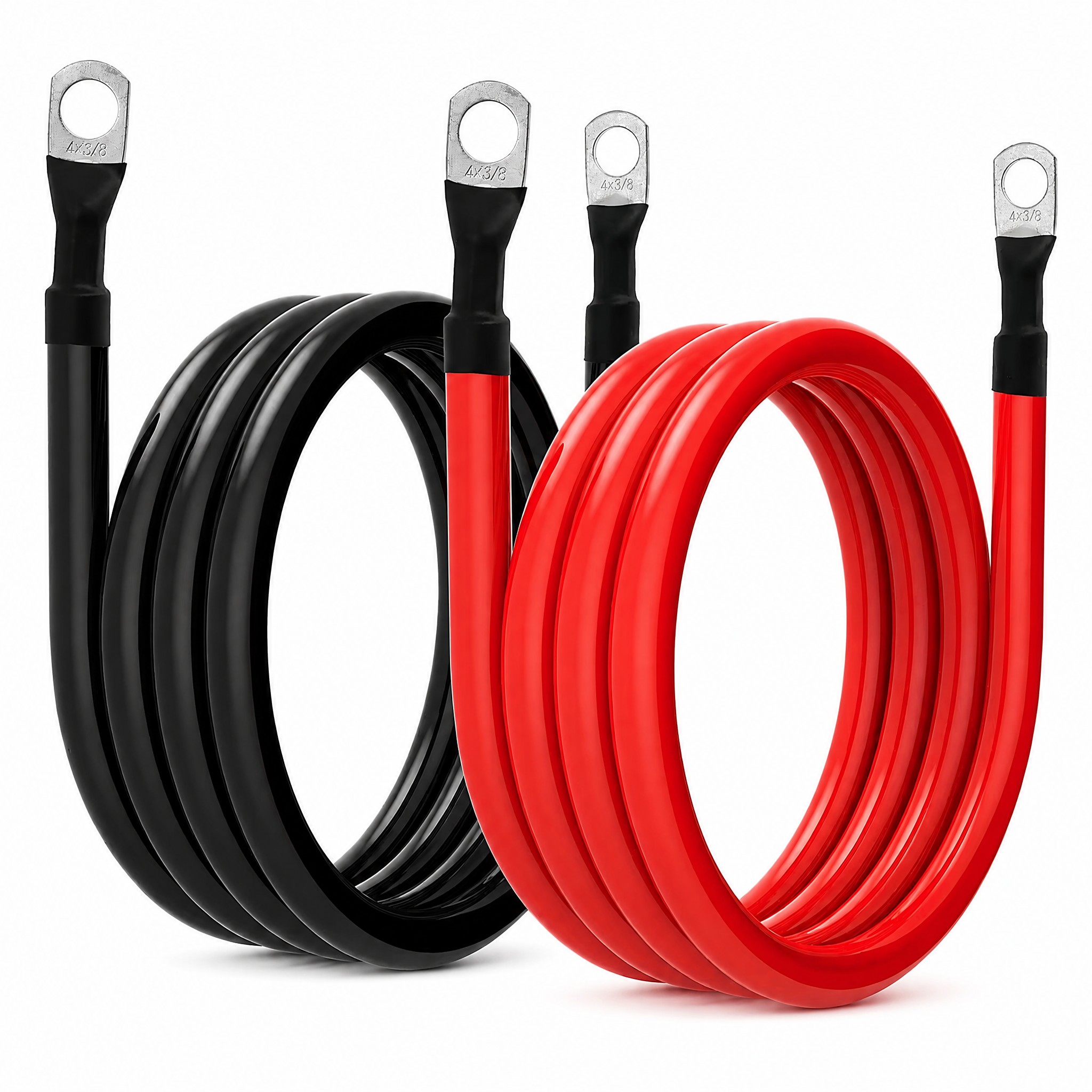
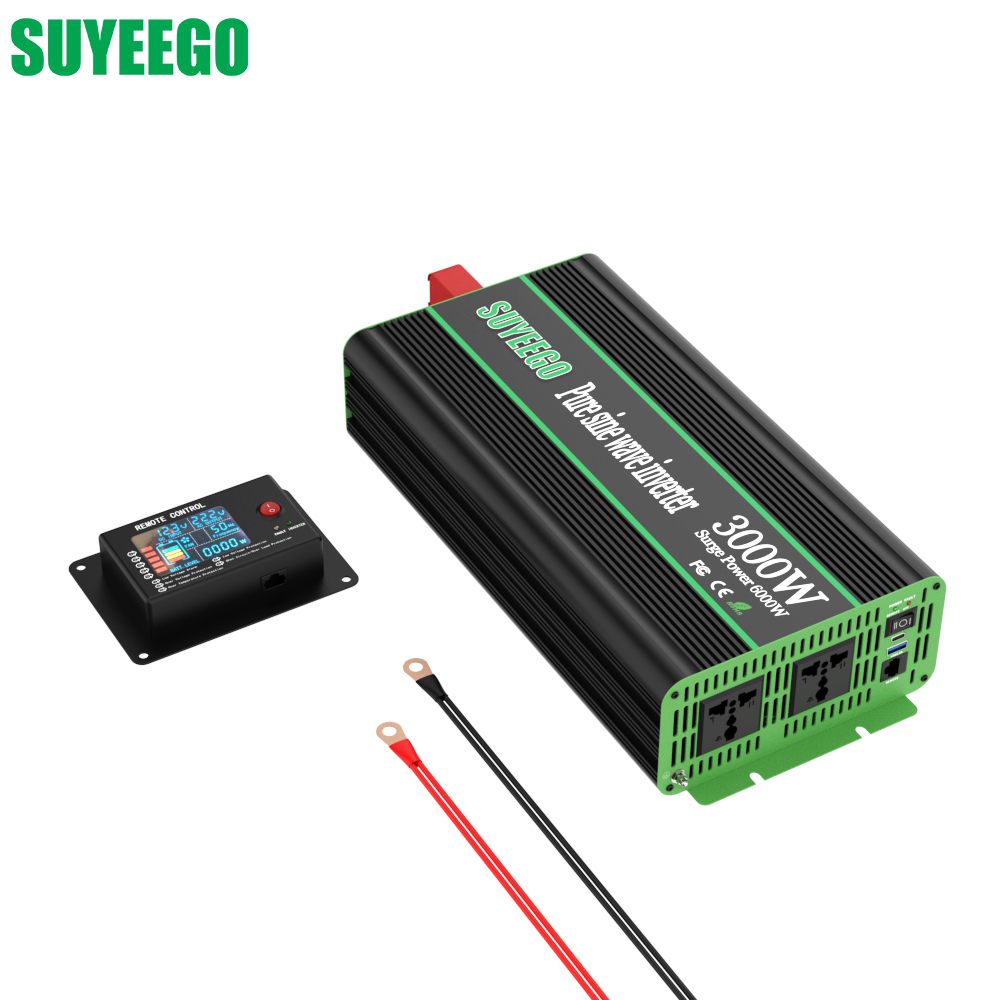
The battery cable in this range is 4 AWG pure copper with PVC insulation and a tin-plated jacket, terminated in 3/8 inch (9.5 mm) ring terminals, and it is the same cable used for the main DC bond because that bond carries fault current rather than a standing load. The 12.8V 200Ah LiFePO4 battery is published at 200A of continuous discharge, which sets the scale of what a fault on the main circuit can look like, and the inverters run from 1kW to 3kW, which is where the DC side and the AC side meet and where the two kinds of earthing have to be kept apart.
Frequently asked questions
- Does the battery negative have to be connected to the chassis?
- In most vehicles it is, for two reasons: many accessories use their mounting as their negative, and a bond gives a fault current a path so a fuse can operate. Where it is done, it should be one deliberate connection sized for fault current, not a thin wire to a painted bracket.
- Can I use the chassis as the negative for a new circuit?
- It is better not to. The chassis then carries load current through joints and welds that were not chosen for it and are not protected. Run a negative conductor back with the positive and bond the chassis once, at a defined point.
- Is the AC earth the same as the DC negative?
- No. The AC protective earth is a life-safety system that makes a fault trip a protective device; the DC negative is a current-carrying conductor. They are referenced to each other at defined points, but treating them as one circuit is how protective devices end up unable to do their job.
- Do I need an electrician for this?
- For the DC side, careful work and a meter will get most people there. For anything involving a shore connection, an inverter producing AC, or the neutral-earth bond, yes: that part has to follow the code where the vehicle is used and be checked by someone qualified.