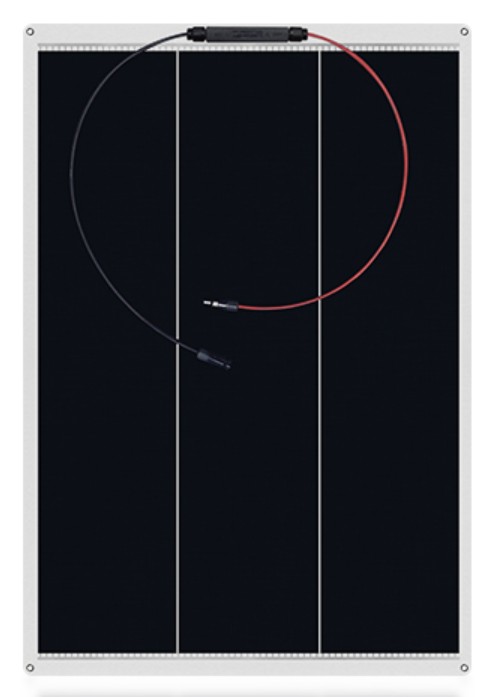
Do flexible panels need an air gap in an RV solar system?
7 min read
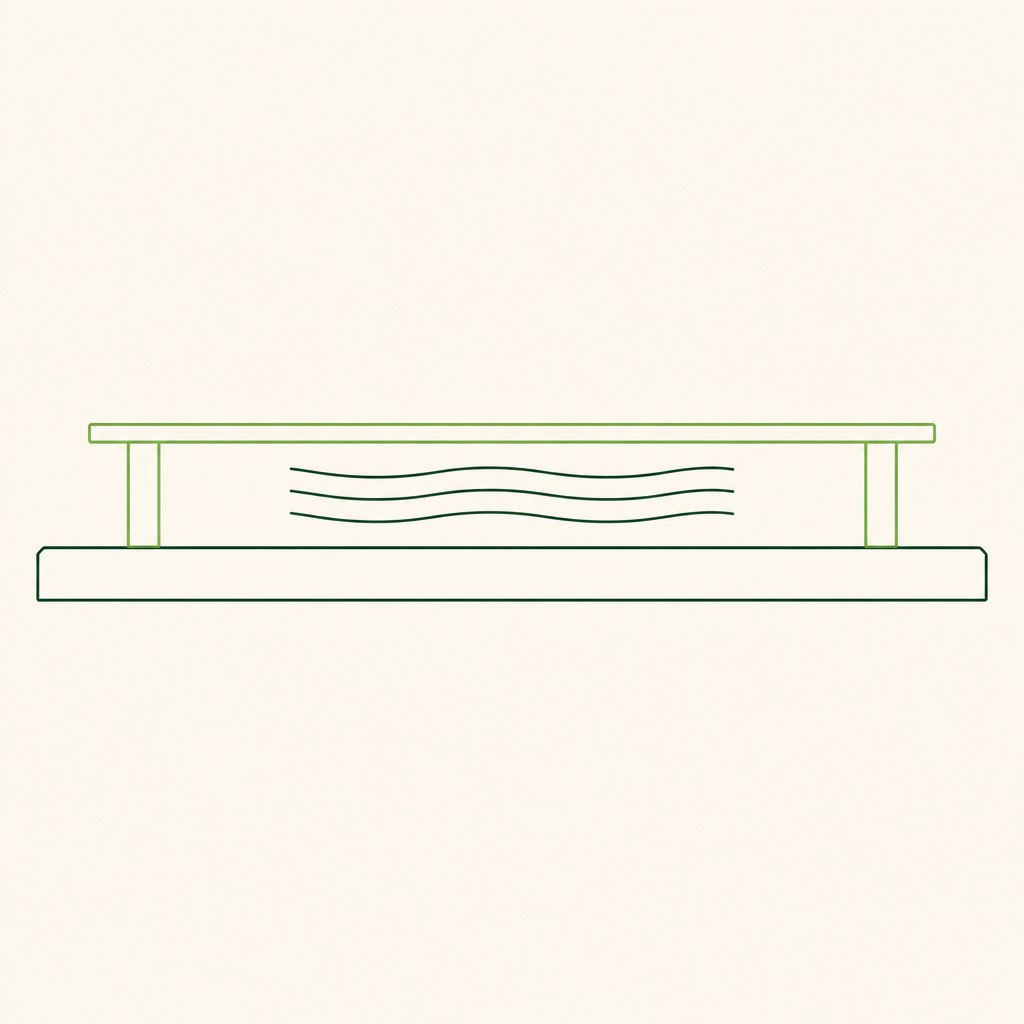
There is no single answer, because it depends how the panel is fixed. Bonded directly to the roof there is no gap and the roof becomes the heat sink; mounted on a frame or rails there is a gap and the panel runs cooler. Our data publishes the panel's thickness and construction but no mounting method and no ventilation requirement, so the fixing is a decision about your roof.
What the gap is actually for
A photovoltaic panel produces less as it gets hotter. That is true of every cell type, and it is why a panel on a hot roof in still air delivers less than the same panel on a cool, breezy day. A gap behind the panel lets air move across the back surface and take heat away; bonding it down leaves the roof to conduct that heat instead.
The second reason is service. A bonded panel is difficult to remove without destroying either the panel or the surface under it. A panel on a frame can be unbolted.
The bonded case
Bonding a 4mm flexible panel straight to the roof is the usual choice on a van, and it has real advantages beyond simplicity: almost no added height, nothing to catch the wind, no fasteners to seal, and the panel follows the roof's curve instead of being stressed flat across it.
The cost is thermal. With no gap, heat has only one way out, through the roof, and the panel will run hotter than a raised one. On a light-coloured roof in a temperate climate that may be a few percent of output; on a dark roof in strong sun it is worth thinking about before you commit.
The raised case
Raising the panel on a frame or rails restores the airflow and makes the panel removable. It also adds height, adds wind load at speed, and introduces fasteners that have to be sealed. For a flexible panel there is a further point: it is designed to be supported across its area, so a frame that holds it only at the edges is the wrong support for this kind of panel.
What our data covers
- Thickness: 4mm across the range, from the 50W to the 230W.
- Construction: flexible, ETFE surface, TPT back, bypass diodes.
- Warranty: 2 years.
- Not published: a mounting method, a required air gap, a temperature derating curve, or a bonding adhesive specification.
What we do not publish
We do not publish an installation method for either arrangement, and we do not publish a figure for how much output a gap recovers. Both depend on the roof, the climate and the panel above them. What the data does tell you is the panel's thickness and how it is built, which is what a mounting decision has to work from.
Frequently asked questions
- Will bonding a panel to the roof overheat it?
- It will run hotter than a raised panel, because heat has to leave through the roof rather than into moving air. Whether that matters in output terms depends on the roof colour, the climate and the panel; we do not publish a figure for it.
- Can I mount a flexible panel on a frame?
- You can, but it needs support across its area rather than only at the edges. A flexible panel held at four corners is being asked to do something it was not designed for.
- Is a bonded panel removable?
- Usually not intact. That is the practical argument for deciding the layout carefully before bonding, and for checking the cable route through a full roof cycle first.
- Does the gap matter more in hot climates?
- The hotter the panel runs, the more a gap helps, so it matters most where sun and air temperature are both high. In a cool, windy place the difference is smaller.