What size inverter do I need for an RV?
7 min read
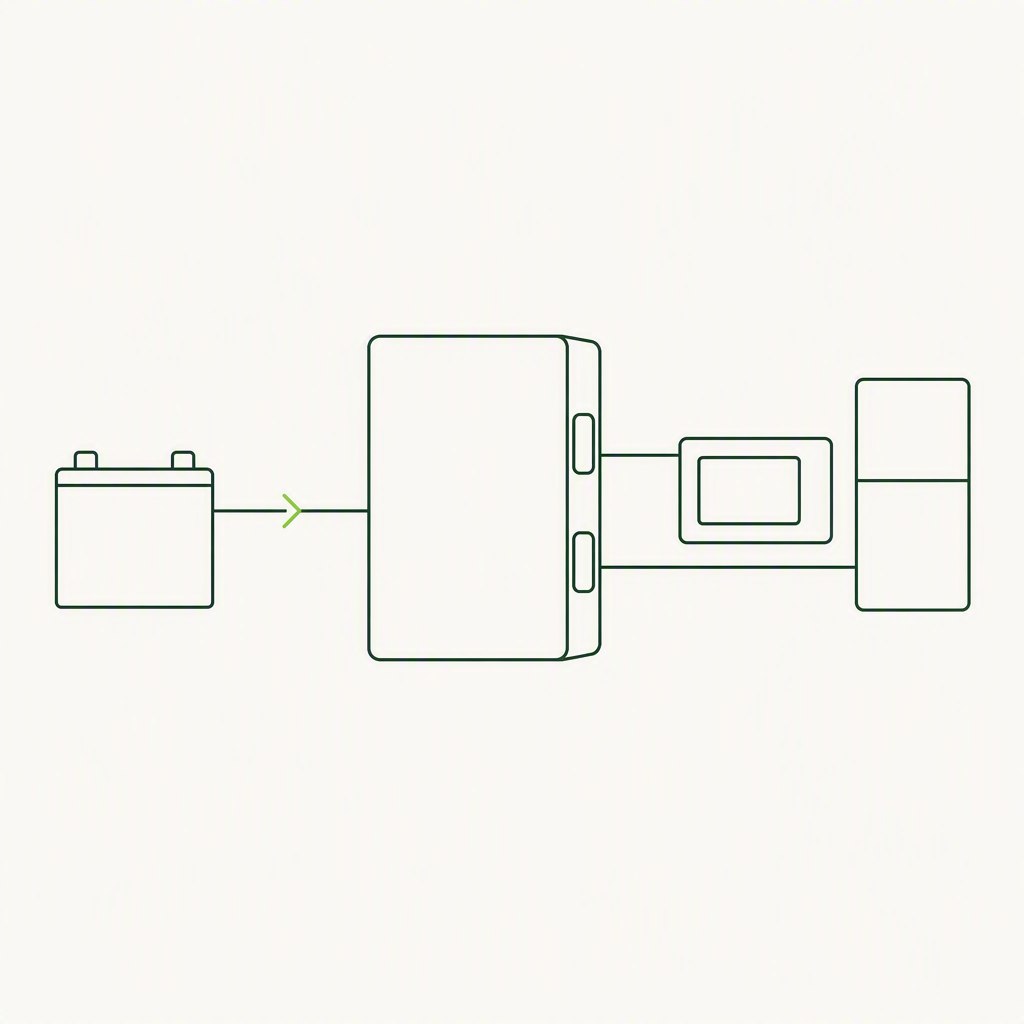
Size an inverter around the loads you will actually run at the same time, not around the battery. Add up the running wattage of everything that may be on together, then leave headroom for the surge that motor-driven appliances draw for a second or two as they start; a compressor fridge or an air conditioner can pull two to three times its running wattage at that moment. Then check the other direction, because it is usually the binding one: a 2000W load on a 12V battery draws roughly 185A once the inverter's own losses are counted, so the battery bank, the cable and the fuse all have to be rated for that current, not just the inverter.
Start with the appliances, not the inverter
An inverter's rating only means something next to a list of loads. Two people can buy the same 2000W inverter and get very different results, because what decides the outcome is how much runs at one time.
- Phones, laptops and LED lighting: 5-60W each
- 12V compressor fridge: 40-70W while the compressor runs, and it cycles on and off
- Microwave: roughly 700-1200W
- Drip or espresso coffee machine: roughly 800-1500W
- Electric kettle: roughly 1500-3000W
- Air conditioner: roughly 1000-2000W while running
- Hair dryer: roughly 1000-2000W
Add only the ones you would genuinely use together. A microwave and a coffee machine at the same time can reach 2500W; bring an air conditioner into that and the total passes 3500W, which is a different inverter and a considerably heavier battery bank to feed it.
Continuous watts and surge watts
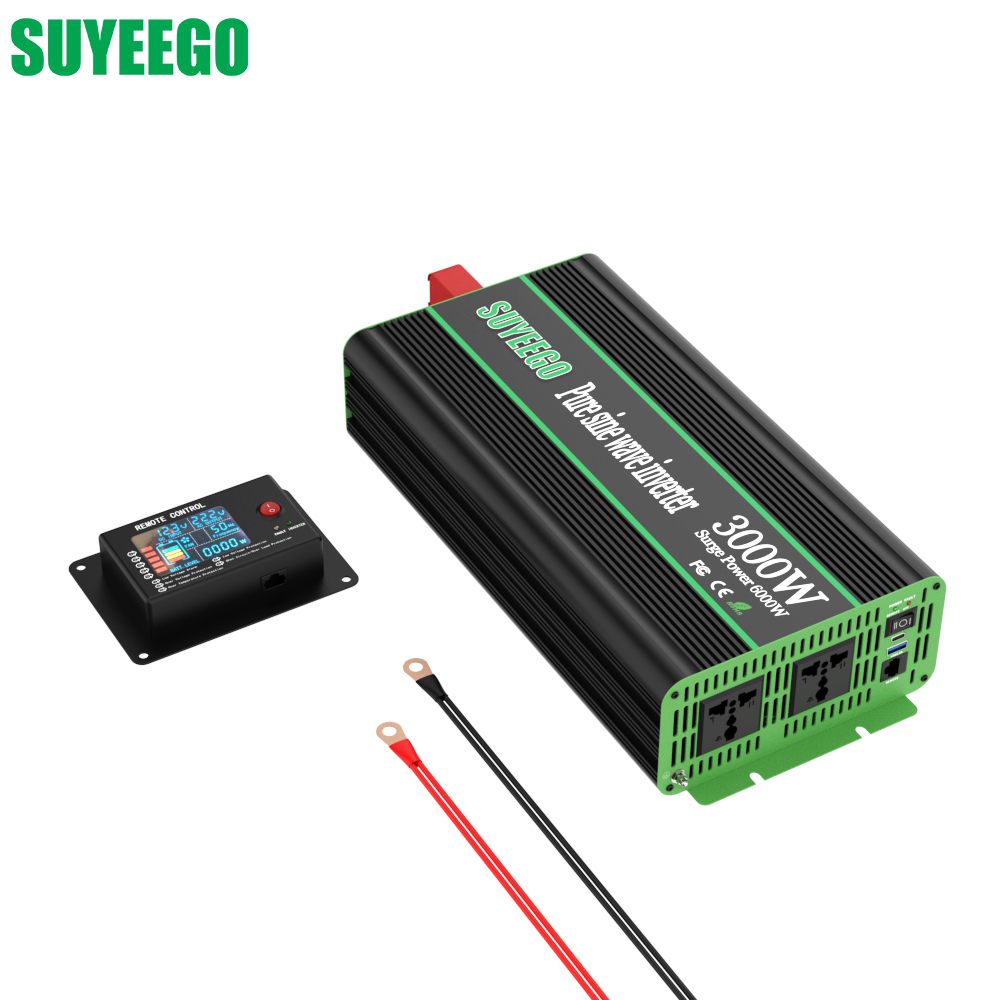
Inverter ratings come as two numbers and both matter. The continuous rating is what the inverter can deliver indefinitely, and it is the one to size against your running total. The surge rating, sometimes called peak, is what it can deliver for a few seconds, which is exactly what a starting motor needs.
What the inverter asks of the battery
Inverter output is measured in watts; battery capacity is measured in amps. Converting between the two is what shows whether a plan is realistic.
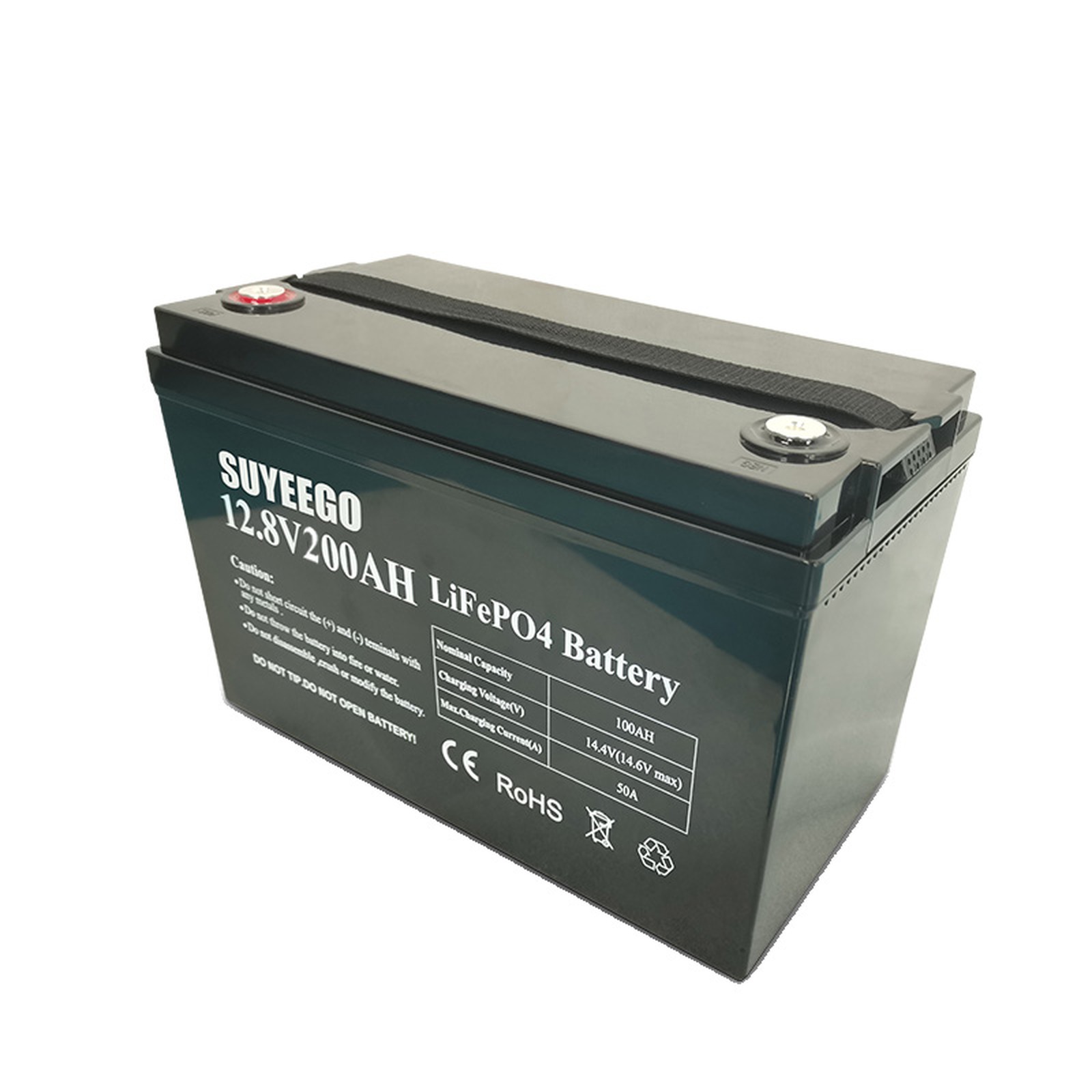
Divide the load by the battery voltage, then allow for the inverter's own consumption. A 2000W load on a 12V battery draws about 167A at the terminals, and closer to 185A once losses are included. That is a very large current. It will empty a 100Ah battery in well under an hour, and it is the reason large inverters push installations towards 24V or 48V banks, where the same load draws half or a quarter of the current.
Match the cable and the fuse to the current
The DC side is chosen for the current the inverter draws, which is always higher than the current it delivers. This is the part of the installation that is easiest to get wrong, because the inverter itself gives no sign until the cable or the fuse becomes the weakest link.
- Size the DC cable from the inverter's continuous rating, and check the manufacturer's recommended gauge rather than working it out from scratch.
- Keep the run short. At these currents, a few metres of undersized cable drops enough voltage to matter.
- Fit a fuse above the inverter's maximum draw but below the cable's capacity, so the fuse is what fails.
- Leave the inverter somewhere it can breathe. Sustained heavy loads produce real heat, and a closed locker is not a good home for one.
Frequently asked questions
- What size inverter do I need to run a microwave?
- A microwave typically draws 700-1200W while running, so a 1500W inverter with a higher surge rating covers it comfortably. Check the rating plate on the back rather than the cooking-power figure on the front: the two differ, and the input wattage is what the inverter has to supply.
- Can a 1000W inverter run a coffee machine?
- Usually not, if the machine has a heating element. Drip and espresso machines typically draw 800-1500W, so a 1000W inverter sits right at the edge and will trip on many models. A 1500W or 2000W inverter provides the margin that the start-up surge needs.
- Why does my inverter shut down when the fridge starts?
- Because the compressor's start-up surge is far higher than its running draw. A fridge running at 50W can demand several times that for a moment as the compressor engages, and an inverter already close to its limit will shut down rather than supply it. Sizing above the continuous total, and checking the surge rating, is what prevents it.
- Do I need a pure sine wave inverter?
- For anything with a motor, a compressor or an electronic power supply, yes. A modified sine wave output can make motors run hot and audibly rough, and some chargers and control boards will not run on it at all. Pure sine wave costs more and matches the power a mains socket provides.