Can I add more solar panels or a battery later?
7 min read
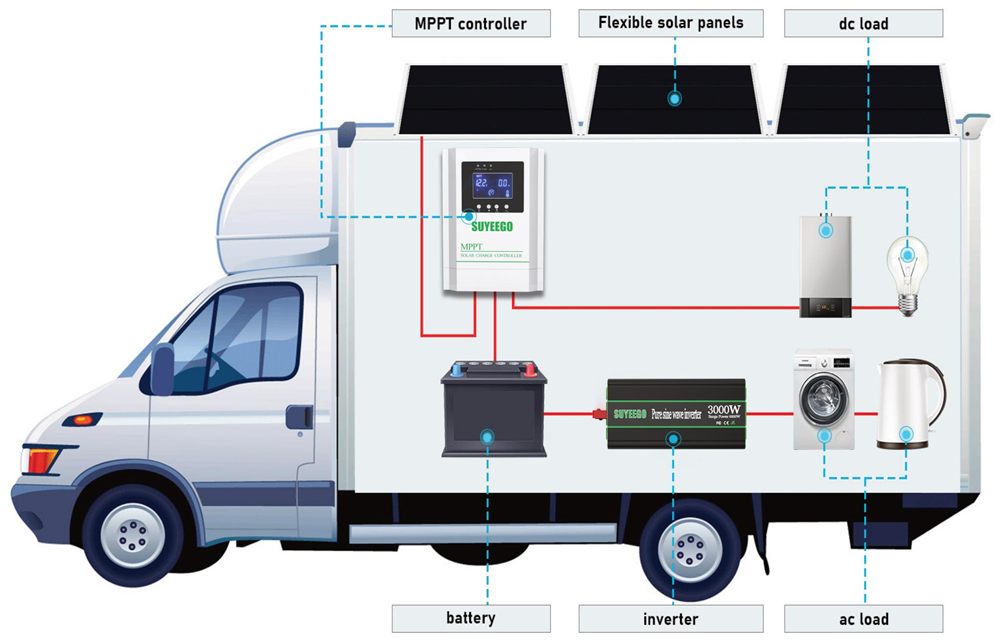
Yes, as long as the parts you choose now have room above them. Three things decide whether adding a panel or a battery later is a bolt-on job or a rebuild: the charge controller's maximum PV power and maximum PV voltage, the rating of the cable and the fuse between the battery and everything else, and the physical space left on the roof and beside the battery. Panels and batteries are usually the easy half of an upgrade; it is the controller and the wiring that are expensive to change, so those are the parts worth oversizing from the start.
Three ceilings, and which one you hit first
Every upgrade runs into the same three limits, and usually in the same order. The controller comes first, because its maximum PV input power and its maximum PV open-circuit voltage are both fixed and both easy to exceed. The cable and fuse come second: a run sized for today's current is not automatically safe for tomorrow's. Space comes third, and it is the one money cannot solve — roof area and the compartment beside the battery are what they are.
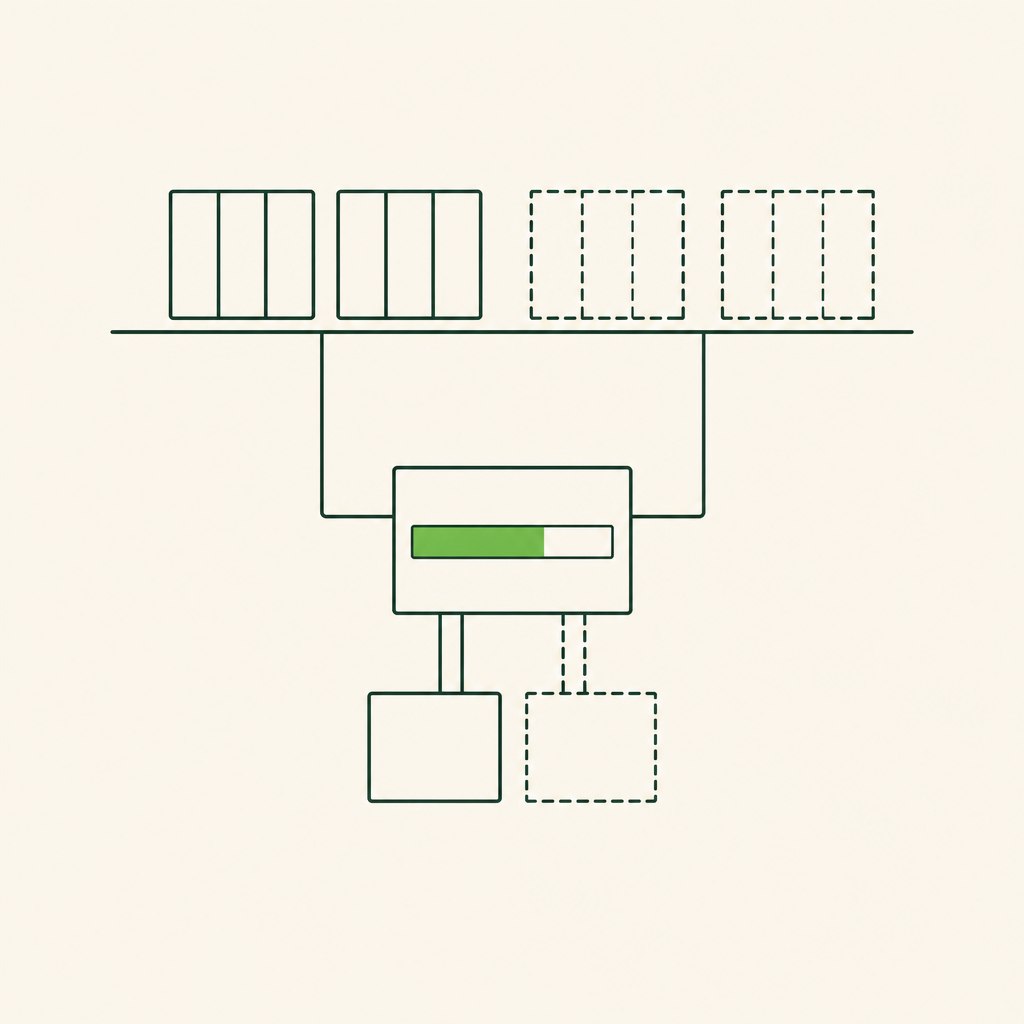
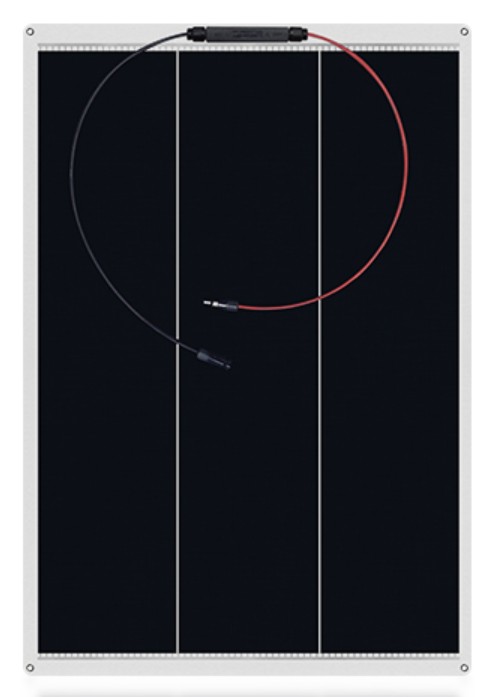
Adding a panel
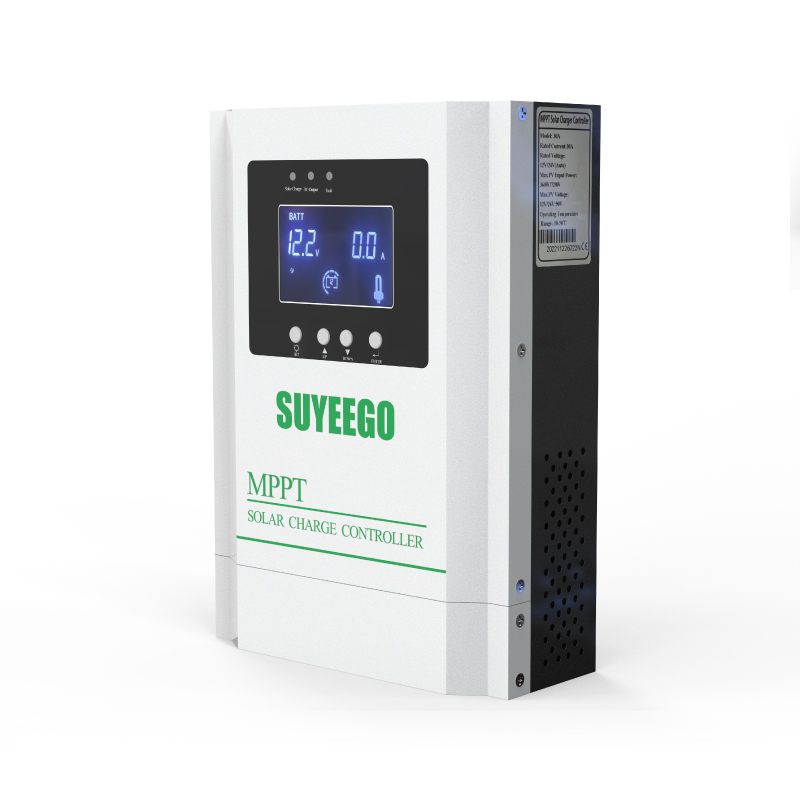
The controller decides this one. Every model in the range is published with a maximum PV input power for each battery voltage, and the array cannot go past it. On a 12V bank the smallest model takes 240W of panel and the largest takes 1200W; on a 24V bank the same six models take 480W and 2400W. If you expect to add a panel in a year, that is the table to read before choosing the controller, not after.
| Model | Max PV power at 12V | Max PV power at 24V | Max PV open-circuit voltage |
|---|---|---|---|
| 20A | 240W | 480W | 80V |
| 30A | 360W | 720W | 80V–105V |
| 40A | 480W | 920W | 130V |
| 60A | 720W | 1440W | 130V |
| 80A | 960W | 1920W | 130V |
| 100A | 1200W | 2400W | 130V |
Voltage is the other half of the same decision. Adding a panel in series raises the string's open-circuit voltage, and that voltage climbs further on a cold morning, so the string has to stay under the controller's ceiling in the coldest conditions it will meet rather than in the workshop. Adding a panel in parallel raises the current instead and leaves the voltage alone, which is the friendlier route when the controller is already near its voltage limit.
- Same model, ideally. A series string is limited by its weakest panel, so mixing sizes in one string means the smaller panel sets the current for all of them.
- Compare the right figures: the new panel's Vmp, Imp, Voc and Isc against the old one, rather than the watt rating on its own.
- Work around the cable route, not the panels. Panels bonded or screwed down can be added to; the roof gland the cables pass through is the part that is awkward to redo.
Adding a battery
A second battery goes in parallel, which keeps the bank voltage and doubles the capacity — and with it the current the bank can both deliver and accept. The usual conditions apply: the same chemistry, the same nominal voltage, and as close a match in capacity and age as you can manage, because batteries connected together share the current between them and the older or smaller one takes more of the strain.
- Charging current scales with the bank. Each 12.8V 200Ah battery in this range accepts up to 100A of charging current, so once two are in parallel it is the charger or the controller that becomes the limit, not the bank.
- Space and weight are the real constraint. Each of these batteries measures 525 × 238 × 220 mm and weighs about 18.5 kg, so a second one needs both the room and a floor that will carry it.
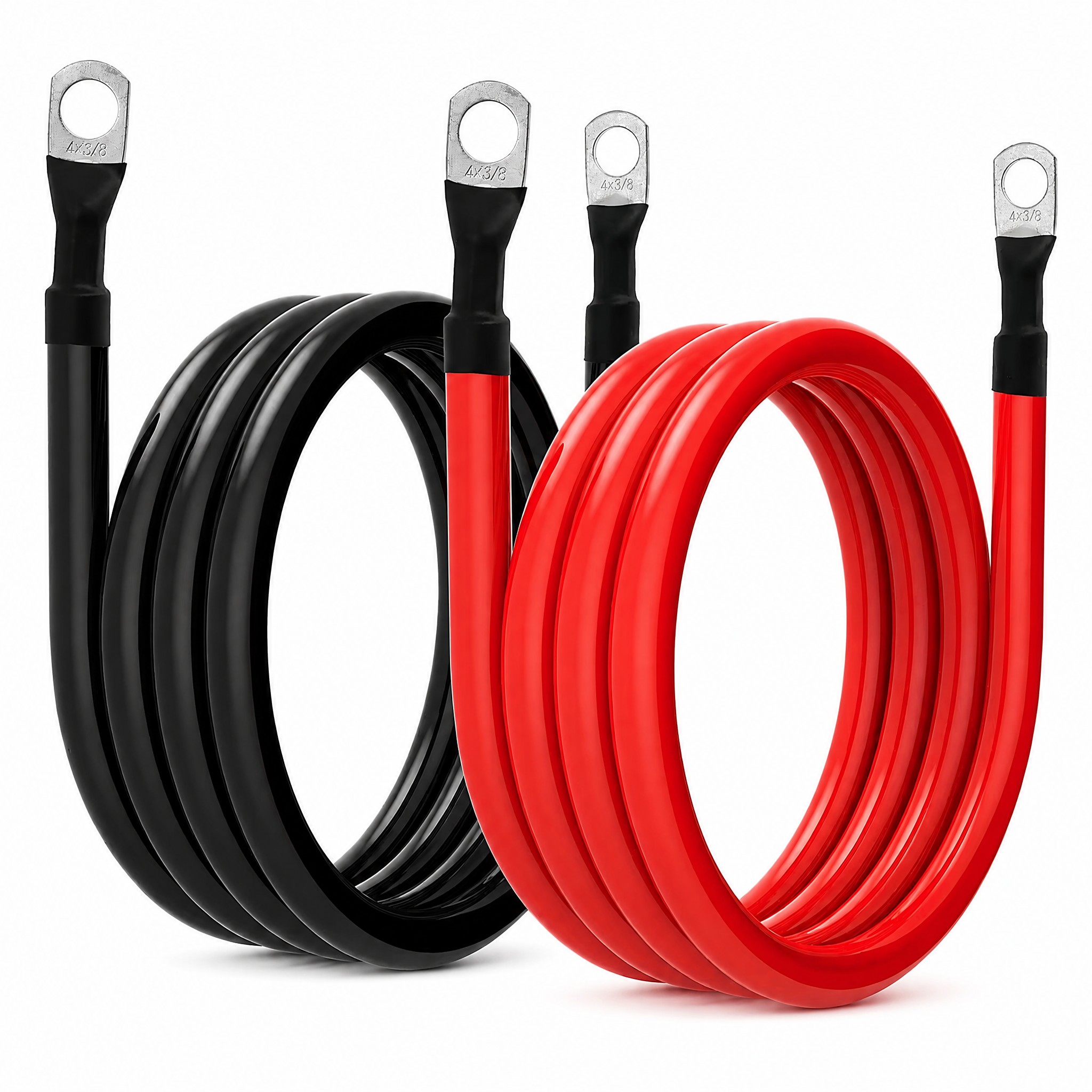
- Every cable that now carries the whole bank's current has to be checked again: the link between the batteries, the run to the inverter, and the main fuse.
- Keep the cable lengths between parallel batteries equal, so the two share the current evenly instead of the nearer one doing more of the work.
What to oversize on purpose
- The controller: choose the model whose maximum PV power sits comfortably above the array you have now, so a panel can be added without changing it.
- The cable: one size up from what today's current needs is cheap while the van is apart and expensive afterwards.
- The fuse and its holder: a type you can buy again in the rating you will need next, not a one-off.
- Terminals and distribution: a stud or a busbar position left free, so a second battery or a new circuit has somewhere to land.
- Roof and compartment space: measured and left empty, rather than filled with a panel that would have to be moved later.
What cannot be changed later
Roof area is fixed by the vehicle, and every panel and vent already fitted takes a share of it. Compartment volume is fixed by the conversion, and a battery heavy enough to be useful is a project to move. The cable route through the roof and through bulkheads is the third: once the panels are bonded down and the interior is back together, a new run is a far bigger job than the same run done while the van was open. Those are the three things worth settling at the planning stage, because they are the ones an upgrade cannot buy back.
The figures the range publishes
The MPPT controller range covers 20A to 100A across 12V, 24V, 48V and 96V banks, with maximum PV input power from 240W to 1200W on a 12V bank and a maximum PV open-circuit voltage between 80V and 130V depending on the model. The flexible panel range runs from 50W to 230W, with open-circuit voltages between 21.5V and 25.8V. SUYEEGO's 12.8V 200Ah LiFePO4 battery stores 2.56kWh, accepts up to 100A of charging current and is rated for 6000 cycles at 100% depth of discharge — which is why the part most often worth oversizing is the controller, not the battery.
Frequently asked questions
- Can I add a panel of a different wattage to an existing array?
- You can, but a string is limited by its weakest panel, so a mixed series string loses more output than the arithmetic suggests. Matching Vmp and Imp to the panels you already have, or giving the new panel its own controller input, keeps the loss small.
- Do I need a bigger controller to add a battery?
- Not for the battery itself, because the controller's current rating follows the array rather than the bank. What changes is that a larger bank accepts more charging current, so the controller can work at full output for longer without the battery voltage rising quickly.
- How much spare PV voltage should I leave on the controller?
- Enough that the string's open-circuit voltage stays under the controller's maximum on the coldest morning it will ever see, with a margin. Panel voltage rises as temperature falls, so the figure to compare is the cold-weather one, not the datasheet value at 25 °C.
- Is it cheaper to buy a bigger system than to upgrade later?
- It is cheaper for the parts that are hard to change. A larger controller and one size of cable cost little more at the start and save a rebuild later, while panels and batteries can be added whenever the budget allows.