Can an RV solar system run Starlink?
7 min read
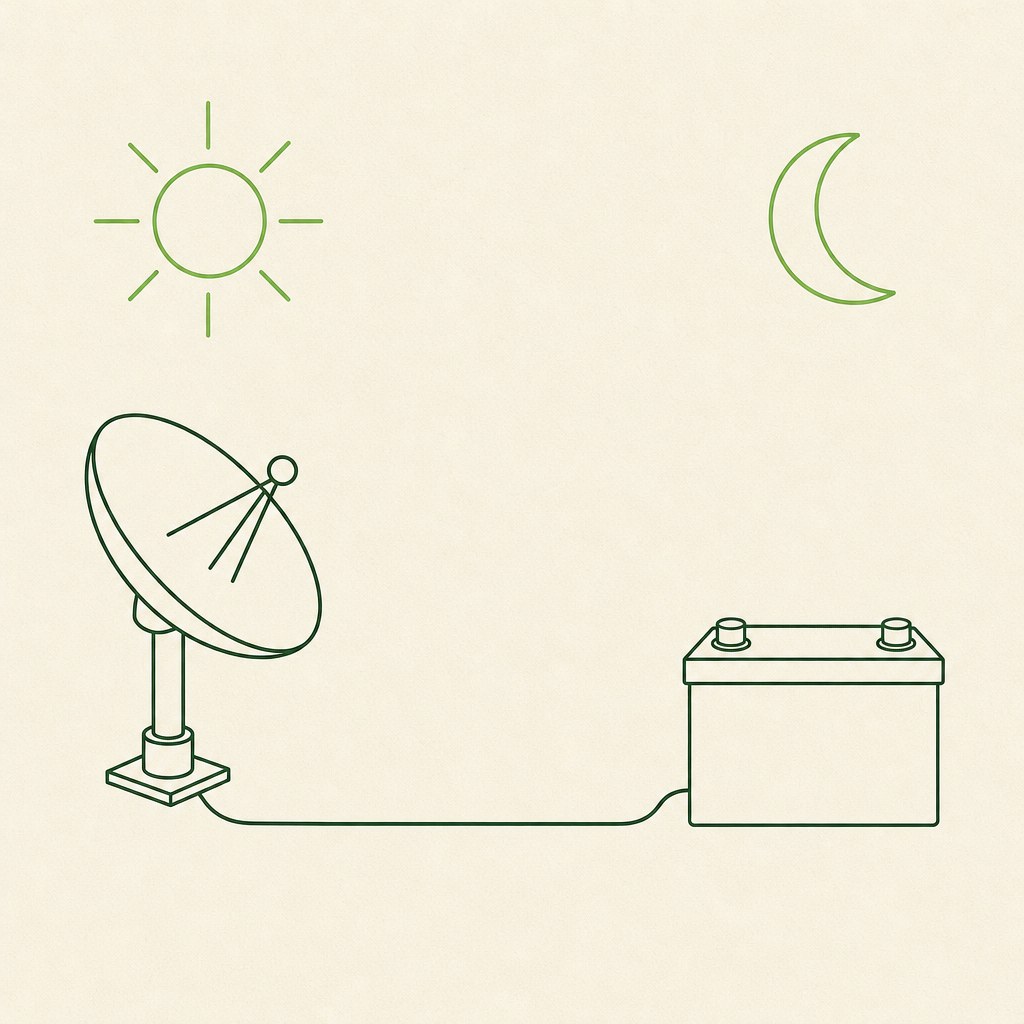
Yes, but the arithmetic is different from an appliance that switches on and off. Starlink runs continuously, so the figure that matters is its wattage multiplied by 24 hours, plus whatever the inverter consumes converting the supply. That daily total is what the array has to replace and what the battery has to carry overnight.
A continuous load behaves differently from a compressor
A fridge is forgiving because it cycles. A dish is not: it draws its power for as long as it is on, and it is usually on for as long as you are using it. That changes which number dominates. With a fridge, the running wattage is misleading and the daily energy is what counts. With a dish, the running wattage is close to the daily energy divided by the hours it is actually powered.
So the first decision is not electrical at all: is the dish powered continuously, or only in the evening? Twenty-four hours of continuous draw and four hours of evening use are different systems, and the difference is larger than any choice of hardware.
Do the arithmetic on your own dish
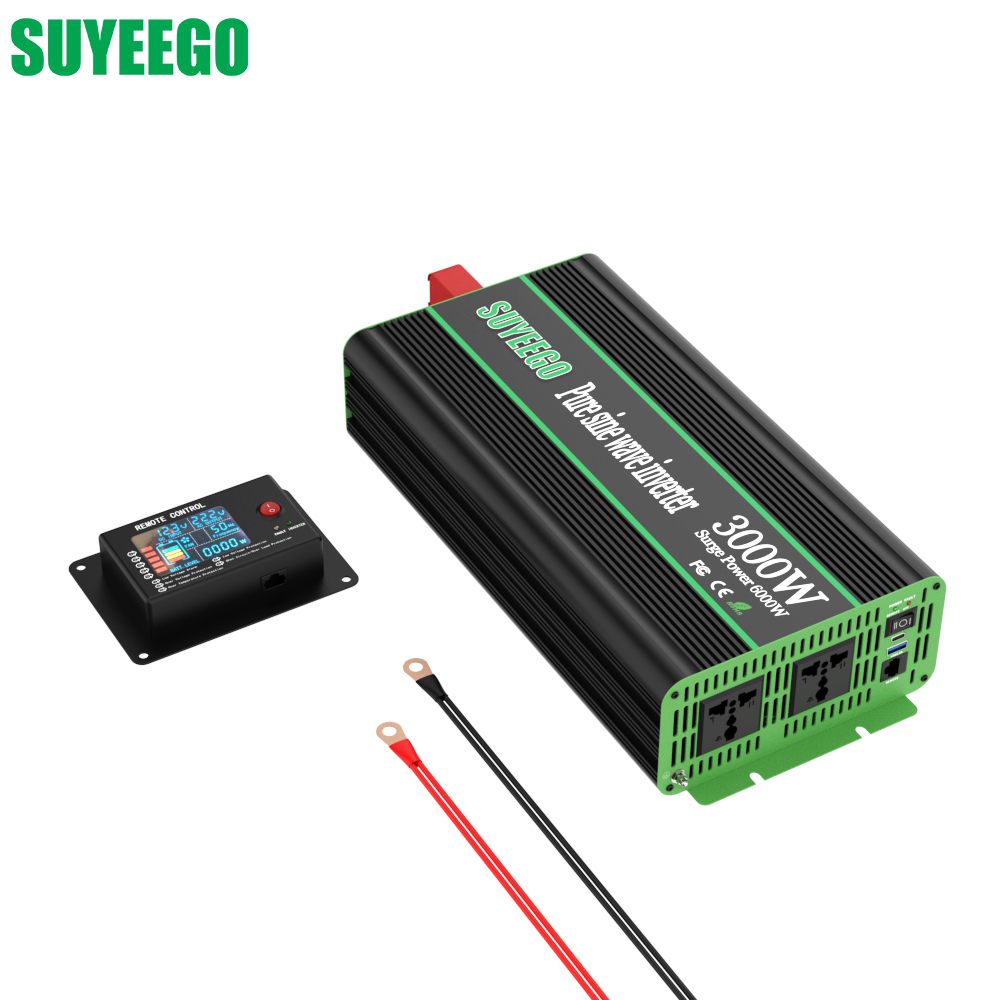
We do not publish a consumption figure for any satellite terminal, so the starting point has to be the dish's own published draw. Take that figure, multiply by the hours it runs, and you have the daily energy the system must replace. Add the inverter's own consumption and its conversion loss, because the published inverter efficiency is above 95% rather than 100%, and the difference is paid every hour the inverter is idling as well as every hour it is working.
- Dish draw in watts, from its own specification.
- Hours per day it is actually powered.
- Whether the inverter stays on while the dish is off, which adds an idle load.
- Season: the array produces least in winter, exactly when the evenings are longest.
Two ways to power it
Through the inverter on AC, or by converting the DC supply directly. The AC route is simpler and uses equipment you already have, at the cost of the conversion loss and the inverter's standby draw. The DC route removes that loss but adds a converter that has to be matched to the dish's input, and it is a modification you should only make with the terminal's own requirements in hand.
What it does to the battery
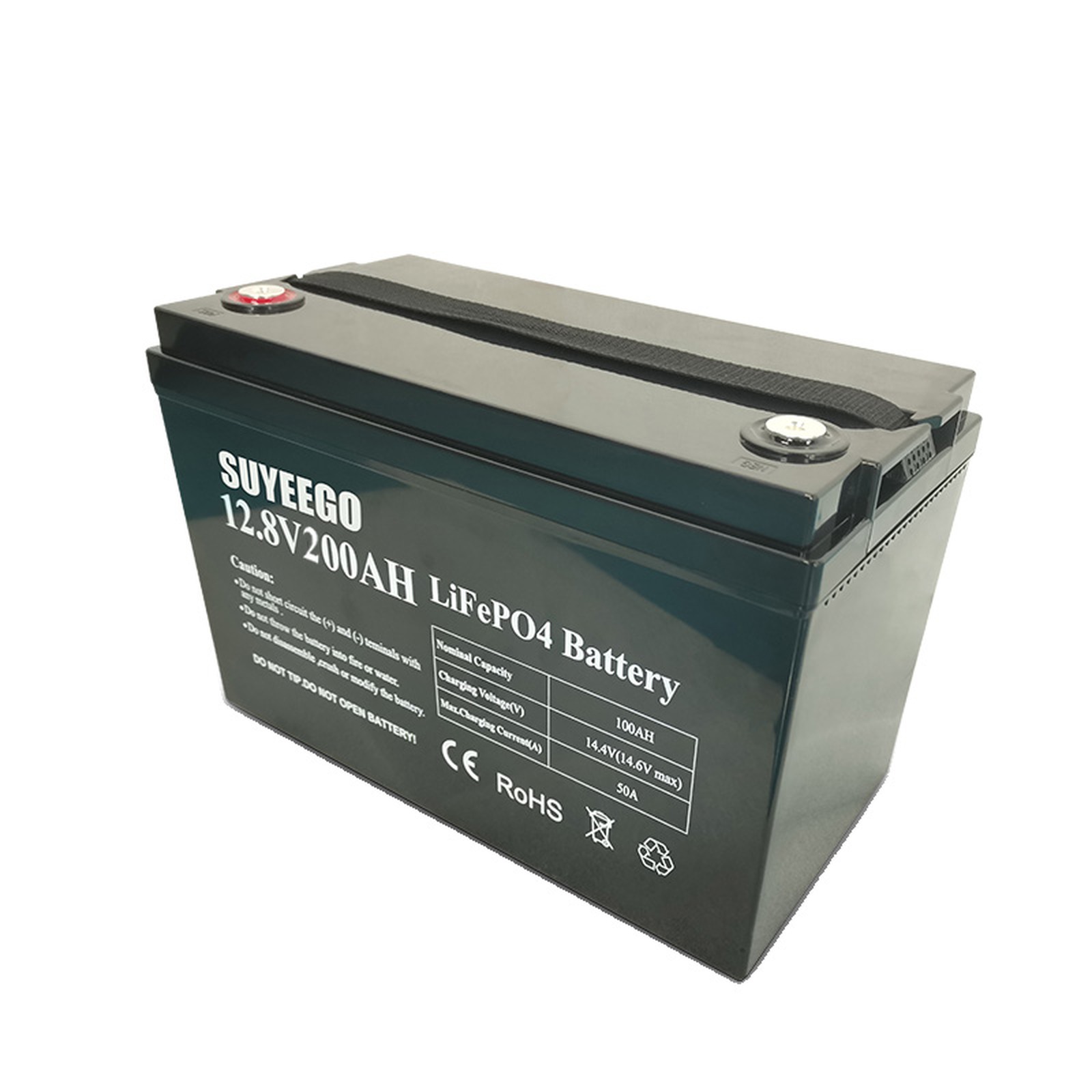
Because the dish works through the dark hours, the battery has to carry its overnight share plus everything else that runs at night. That is a different test from the daytime one: the array is doing nothing while the load continues. A system sized only on daytime output can look comfortable and still leave the bank low by morning.
What we do not publish
We do not publish a Starlink consumption figure, a recommended kit for powering one, or a DC converter specification. Terminal hardware changes between generations, and a figure we published today could be wrong for the unit you own. Use the terminal's own data and treat it as a 24-hour load.
Frequently asked questions
- How much solar does Starlink need?
- Enough to replace the dish's daily energy plus the inverter's losses, sized for the season with the least sun. Because we do not publish a terminal figure, the honest input is the dish's own published draw multiplied by the hours you run it.
- Can I run Starlink and a fridge on the same system?
- Usually yes, and they combine in a specific way: the fridge is a daytime-and-night intermittent load, the dish is a small continuous one. Add both daily energies, then check that the overnight total fits the battery's usable capacity.
- Does the inverter waste power when Starlink is off?
- It can, if the inverter stays on with no load. The published efficiency above 95% describes conversion, not standby, so switching the inverter off when the dish is not needed removes a load rather than relying on its efficiency.
- Is a DC-to-DC supply better than the inverter for a dish?
- It avoids the conversion loss, which is real but modest against a continuous load. It also adds a converter that must match the terminal's own input requirements. We do not publish a converter specification, so it is not a route we can prescribe.