Do you need a new DC DC charger when switching to lithium?
7 min read
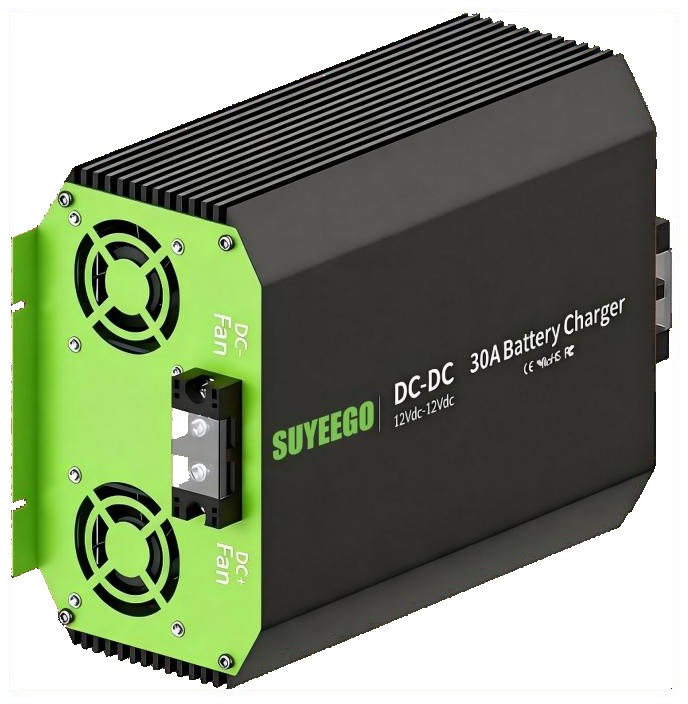
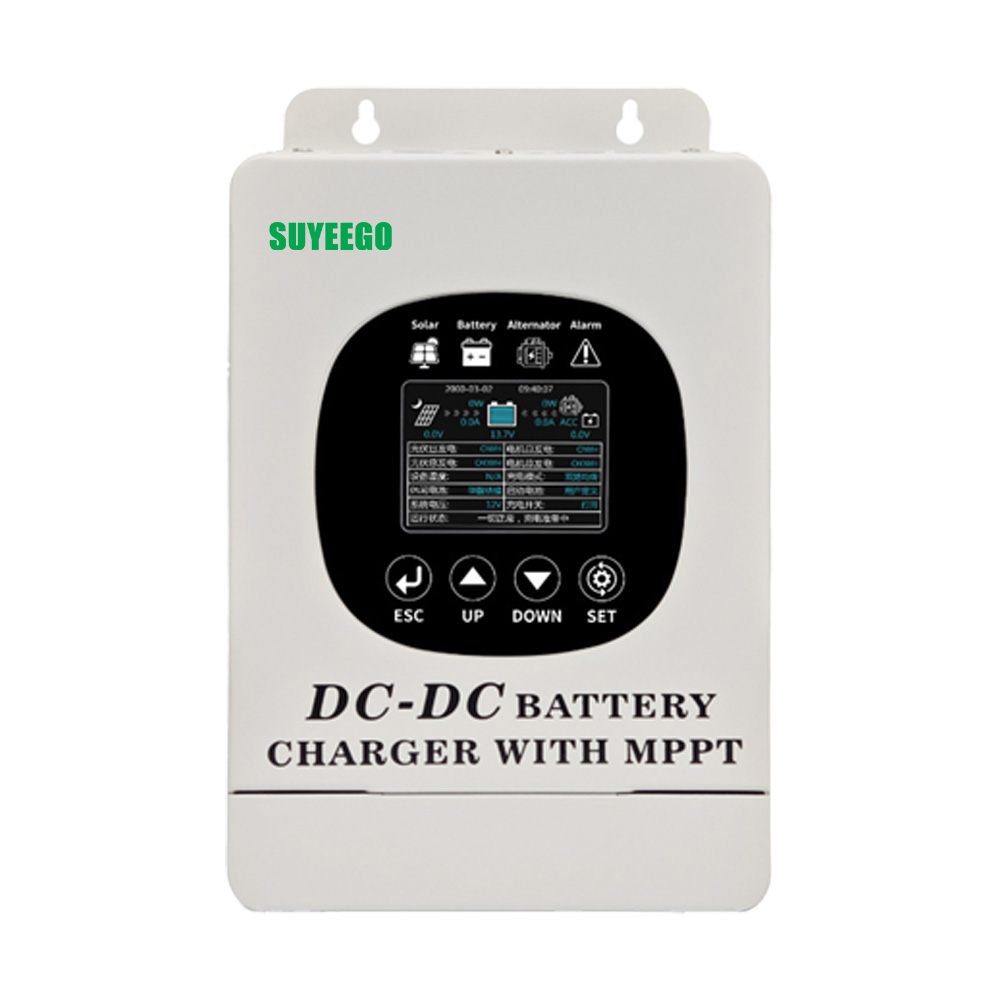
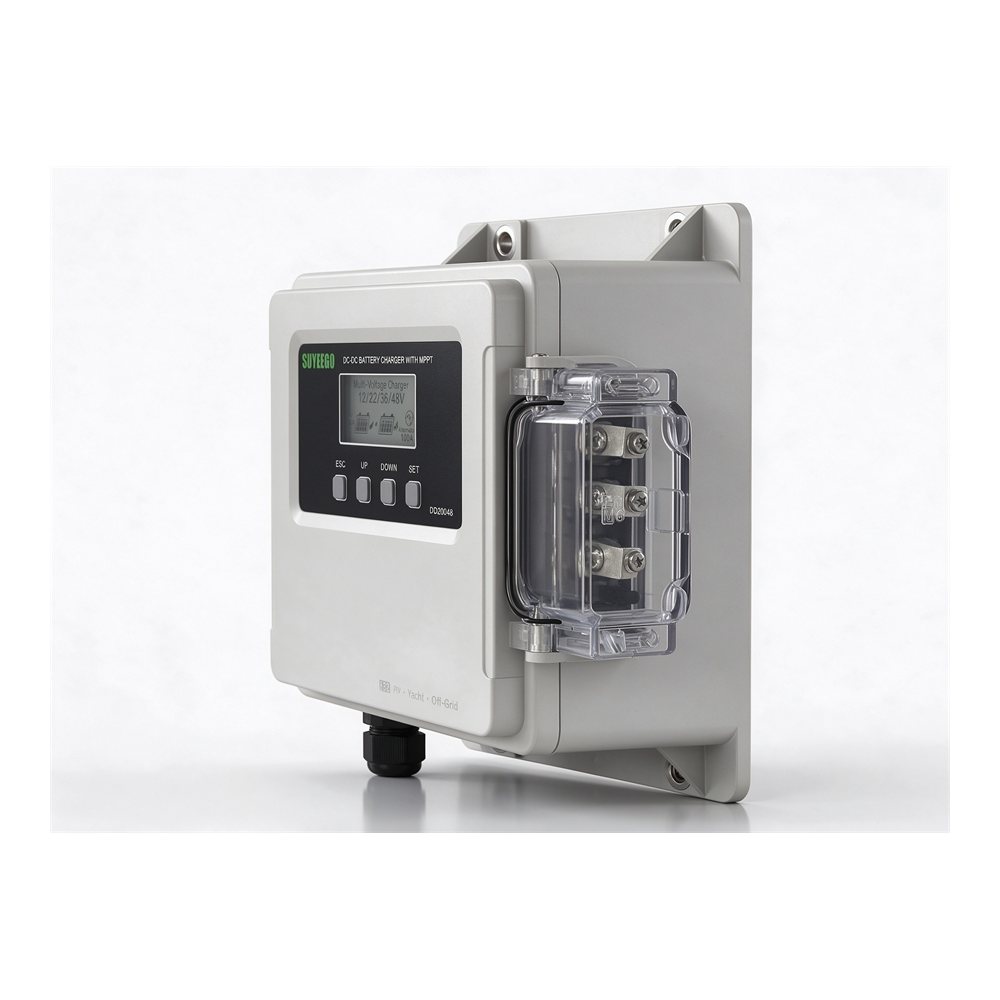
Usually not the charger itself. Both of our ranges publish lithium among their battery types, so a unit from either is not disqualified by the battery change - the 12V range lists flooded, gel, AGM and lithium, and the DD range lists sealing, colloid, water addition, LiFePO4, ternary lithium and a custom profile. What has to change is the setting, and often the sizing, because a lithium bank accepts far more current than the lead-acid bank it replaces.
Check the type list before anything else
The battery type setting is the part of the charger that decides what voltage the battery is held at. If lithium is not on the published list, the unit has no profile for it, and no amount of careful installation turns a lead-acid profile into a lithium one. Both ranges publish it, so this is usually a check rather than a purchase.
| Range | Published battery types |
|---|---|
| 12V range | Flooded, gel, AGM, lithium |
| DD range | Sealing, colloid, water addition, LiFePO4, ternary lithium, custom |
The setting changes, and someone has to set it
The 12V range publishes a charging voltage range of 13.2 to 14.7V rather than one figure. That is deliberate: the correct point inside that range belongs to the battery, not to the charger. A lead-acid profile and a lithium profile sit in different places inside it, and the manufacturer of the new battery is the authority on where.
This is the step that gets skipped on a retrofit. The charger was set for the old battery, it was working, the battery is swapped, and nobody opens the setting. The result is a lithium bank being held at a lead-acid absorption voltage, which is either short of a full charge or above what the battery wants, depending on which way the old setting sat.
Sizing matters more after the change
Lead-acid banks taper early. A lithium bank will keep taking current almost to the top, so the same charger that was adequate before can now be the bottleneck rather than the battery. That is the opposite of the intuition most people bring to a battery upgrade, where the battery is treated as the thing being improved and the charger as a fixed part of the van.
If the old unit was chosen to match a lead-acid bank's modest acceptance, the new bank may be able to absorb considerably more than it can deliver. The published options run to 60A on both ranges, which is where that conversation usually ends up.
What does not change
The input side is untouched. The charger still sees the vehicle: the 12V range publishes an input window of 8 to 16V, and the DD range publishes generator system voltages of 12, 24, 36 and 48V with a maximum generator input voltage of 80V. A lithium leisure battery does not alter what the alternator does.
The protections are also unchanged, and they matter more with lithium rather than less: overcharge, overcurrent and over-temperature protection, reverse connection protection and night anti-reverse charging are all published for the DD range, along with automatic derating at high temperature.
What we do not publish
We do not publish a compatibility list by battery brand, an absorption time for a given battery, a state-of-charge table, or a recommended custom profile. Nor do we publish a statement that any particular third-party battery is supported. Those belong to the battery maker, and on a retrofit they are the documents worth reading before the charger setting is touched.
Frequently asked questions
- Will my existing DC DC charger work with a lithium battery?
- If lithium appears in the unit's published battery type list, it has a profile for it. Both of our ranges publish it. The setting still has to be changed to lithium and the charging voltage confirmed against the new battery's datasheet.
- Can I leave the charger on the old lead-acid setting?
- We would not. The absorption voltage for lead acid sits in a different place from the one a lithium battery asks for, so the bank ends up either short of full or held above what it wants. The charger's published range is 13.2 to 14.7V, and the correct point inside it comes from the battery.
- Does a lithium battery need a bigger charger?
- It often can use one. A lithium bank keeps accepting current closer to full than lead acid does, so a charger sized for the old bank's modest acceptance may now be the limit. Whether that matters depends on how much driving time you have.
- Do I need to change the wiring as well?
- The cable question is driven by current and run length, not by chemistry, so it only changes if the charger rating changes. Fusing is a separate decision again and is covered in the cable guide.