What battery bank does an RV inverter need?
7 min read
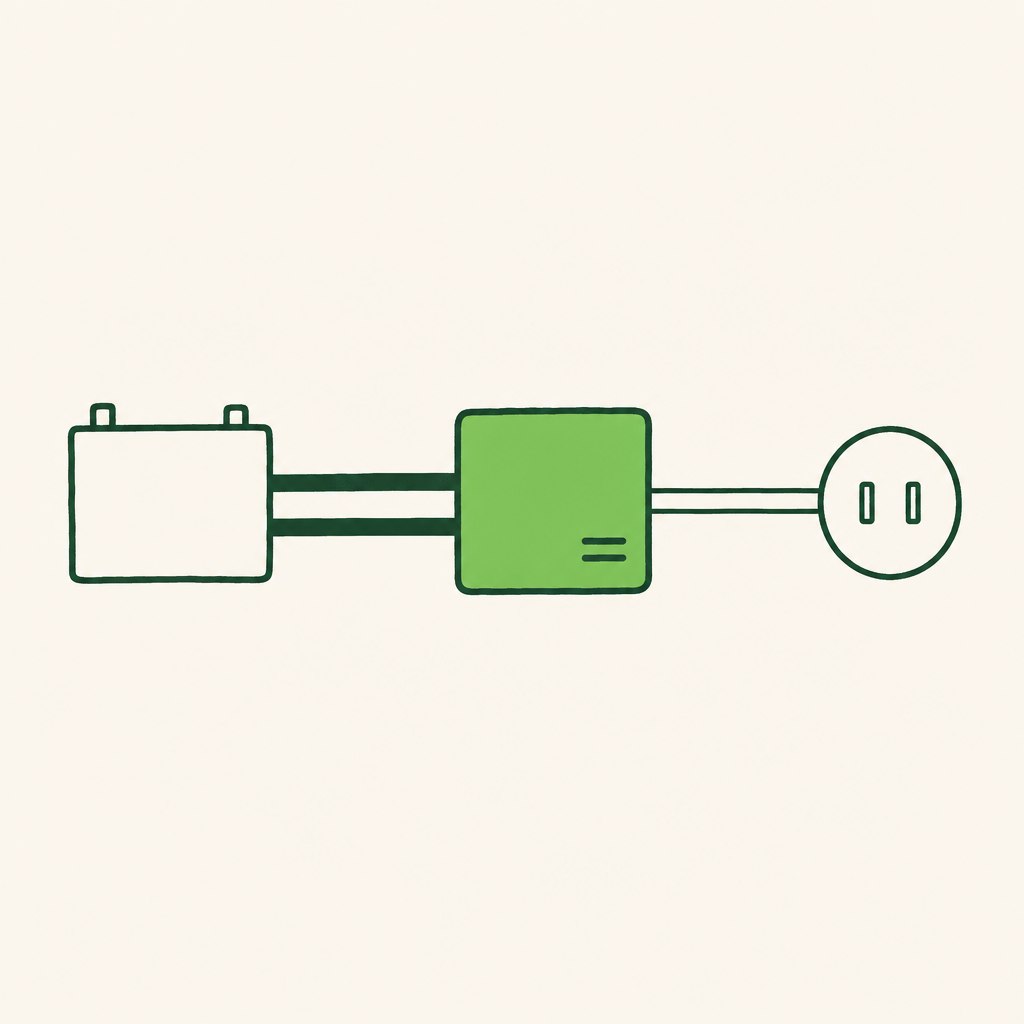
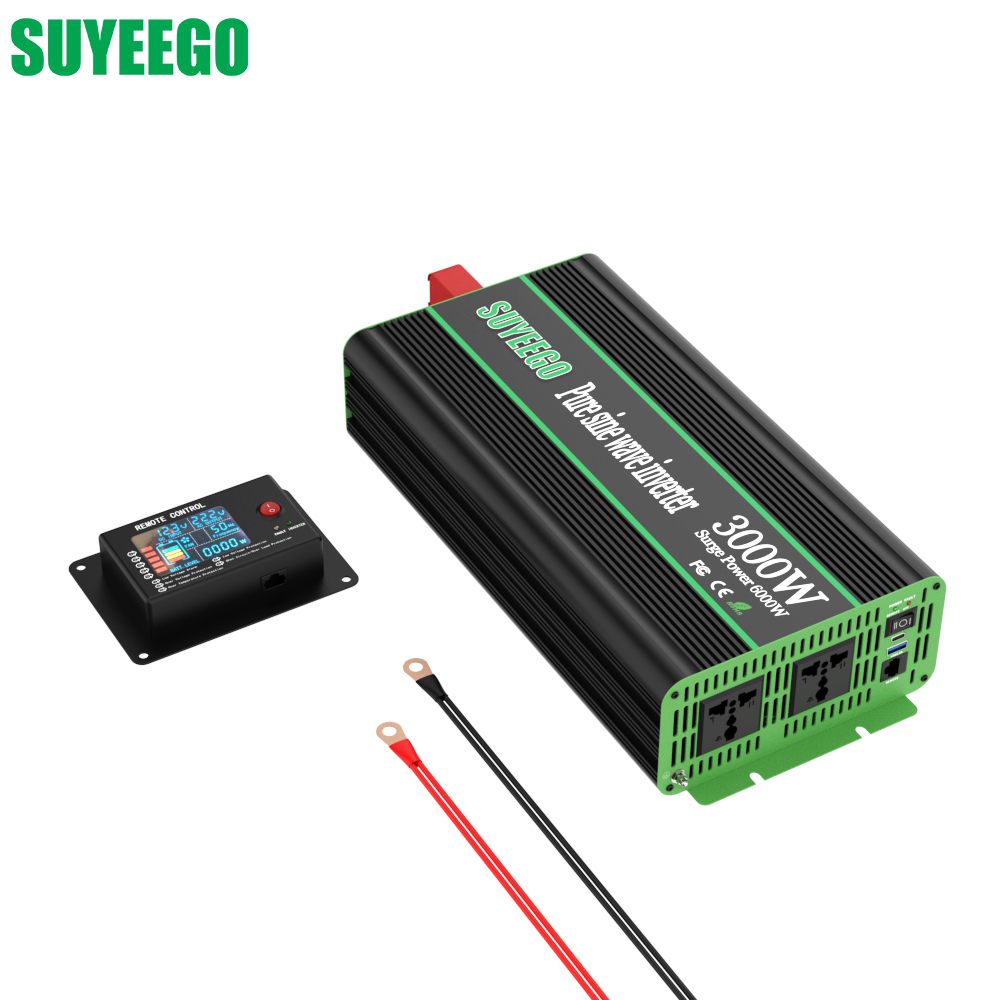
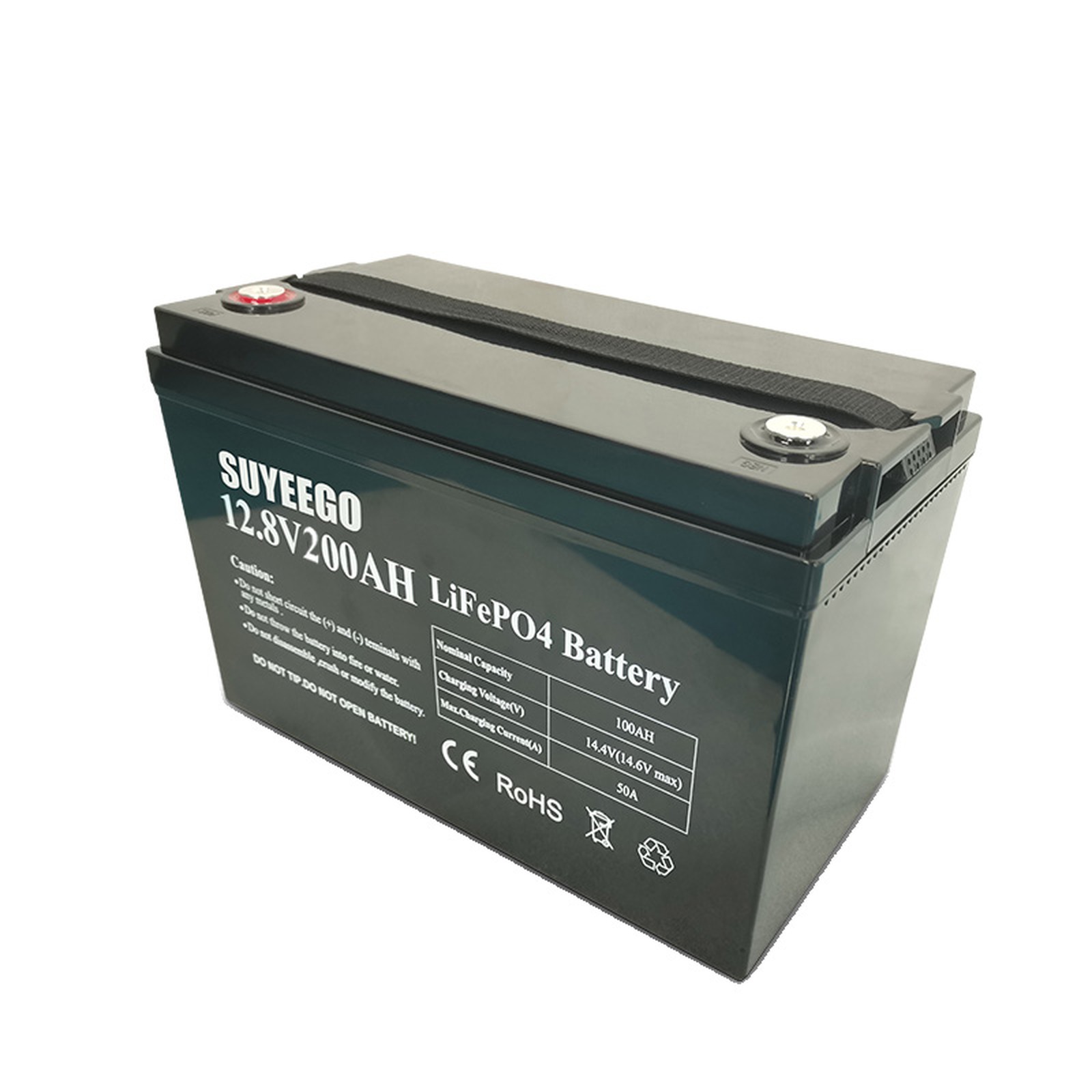
Size the bank around two numbers: the DC current the inverter will draw, and how long you want that load to run. A 3000W inverter on a 12V bank draws over 240A at full output once the conversion loss is included, which is more than a single 200Ah LiFePO4 battery's 200A continuous discharge rating — so a large inverter can require two batteries in parallel before the load is even considered. Runtime is the other half: one 12.8V 200Ah battery stores 2.56kWh, so a 1kW load runs for roughly two and a half hours from a single battery, less once efficiency is taken into account.
The DC side is where the amps live
It is easy to size an inverter from its output and forget that the output figure is the smaller of the two currents involved. On the mains side, 1000W at 230V is about 4A. On the battery side, the same 1000W is drawn at 12.8V, which is around 80A once the conversion loss is added. Everything on the DC side — cable, fuse, terminals and the battery's own rating — has to be chosen for that number.
Continuous discharge rating is the hard limit
A lithium battery's continuous discharge rating is not a suggestion. Ask for more and the battery's protection will either limit the current or disconnect, which shows up as an inverter that shuts down under a load it is perfectly capable of running. Working within the rating is a matter of arithmetic: divide the inverter's continuous output by the bank voltage, add the conversion loss, and compare the result with what the battery publishes.
Runtime: the arithmetic worth doing first
| Load | DC current at 12.8V | Runtime from one 2.56kWh battery |
|---|---|---|
| 200W | about 17A | about 12 hours |
| 500W | about 41A | about 4.8 hours |
| 1000W | about 82A | about 2.4 hours |
| 2000W | about 165A | about 1.2 hours |
What that means for bank size
- One 200Ah battery keeps a 1000W to 1500W inverter inside its continuous rating comfortably.
- A 3000W inverter at full output wants two batteries in parallel, so the current is shared rather than taken from one.
- Two batteries in parallel also double the runtime, which matters more in practice than the peak capability.
- Every cable carrying the whole bank's current has to be re-checked when a second battery is added, along with the main fuse.
- If the plan is 3000W or more, consider a 24V bank before buying anything: it halves the current on every cable.
What the range publishes
SUYEEGO's 12.8V 200Ah LiFePO4 battery stores 2.56kWh, is rated for 200A of continuous discharge and accepts up to 100A of charging current at 14.40V to 14.60V, with 6000 cycles quoted at 100% depth of discharge and a published charge window of 0 °C to 60 °C. Heater-equipped versions are available as an option, which is what makes the same battery usable in a van that charges in freezing weather.
Frequently asked questions
- Can one 200Ah battery run a 3000W inverter?
- Not at full output. 3000W is over 240A on the DC side, which is above the 200A continuous discharge rating of a single 12.8V 200Ah battery. The battery's protection would limit or interrupt it; two batteries in parallel keep the current inside the rating.
- Does a bigger battery bank make the inverter more powerful?
- No. The inverter's rating is fixed. What a larger bank changes is how long the load can run, how much surge the system can absorb, and how hard each battery is worked while it does it.
- Should I use a 24V bank instead?
- For 3000W and above it is worth considering, because doubling the voltage halves the current everywhere: thinner cable, smaller fuse, less strain on the battery. The decision has to be taken before buying the inverter, because the inverter has to match the bank voltage.
- Why does my inverter shut down when the battery is not empty?
- Because the voltage at the terminals sags under load. That can be the battery's state of charge, its age, its discharge rating, or a cable and connection dropping more volts than it should. Measure at the terminals while the load runs to tell those apart.