How do you test whether an RV solar system is working?
7 min read
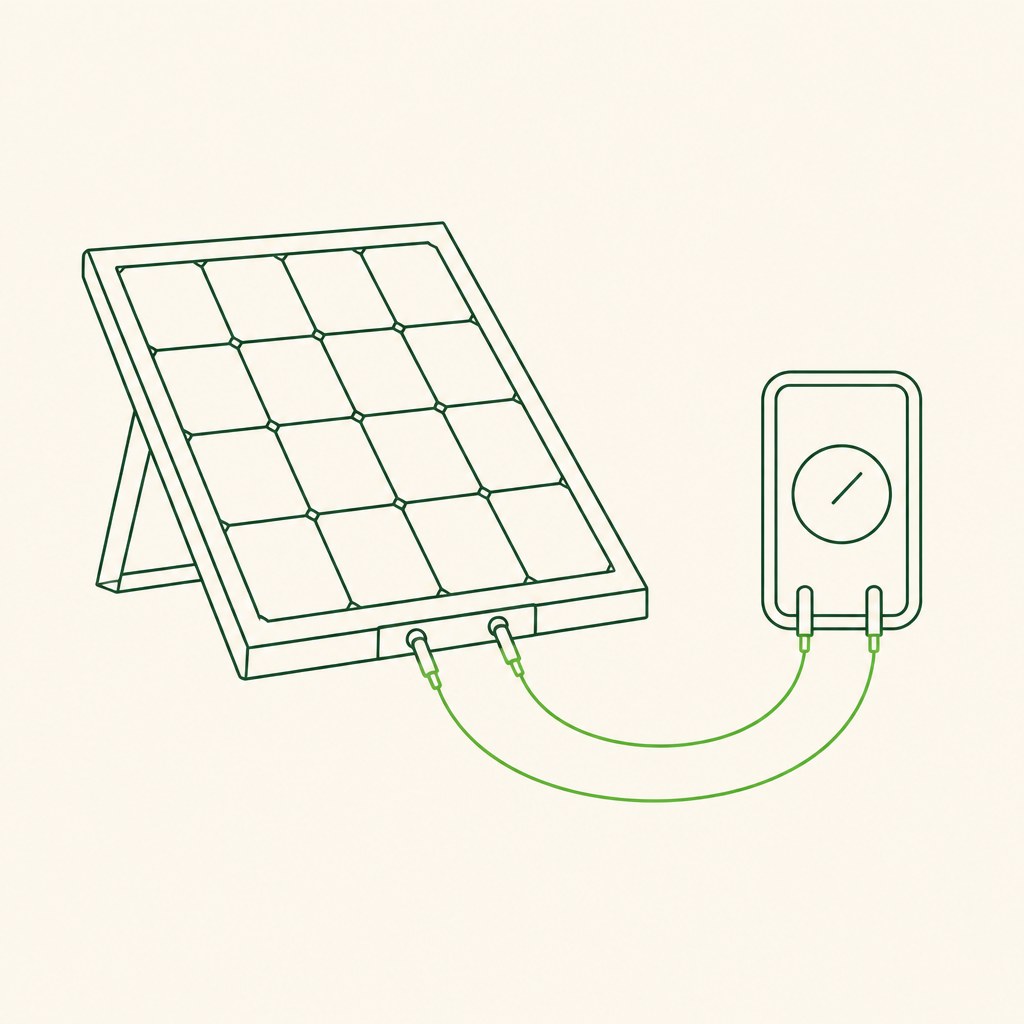
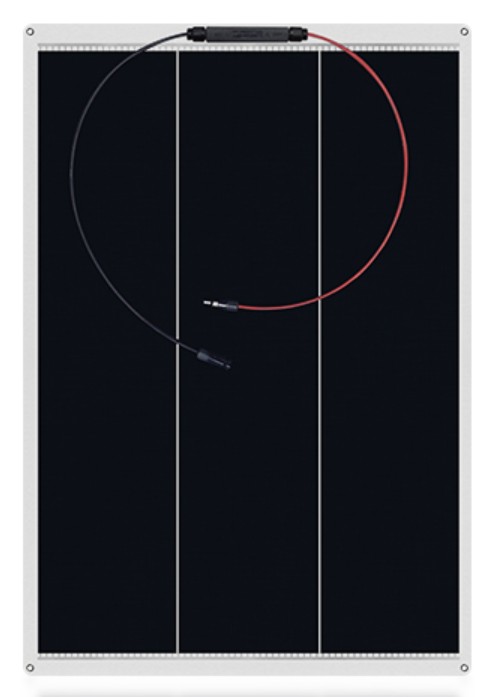
Measure the panel on its own, then compare with its published figures. Disconnect it, read open-circuit voltage at the leads, and compare with the Voc in our data for that model - 22.3V for the 100W, 150W and 200W panels, 25.8V for the 230W. Then check short-circuit current against Isc. If both are close, the panel is fine and the fault is downstream, in the controller, the connections or the battery.
Start at the panel, not at the controller
Most faults get blamed on the controller because it is the part with a display and a manual. But a controller can only work with what reaches it, and a panel that has lost a connection or a cell produces a plausible-looking voltage while delivering almost nothing. Testing outward from the panel separates the two quickly.
Do the panel test in daylight with the panel disconnected from the controller. An open-circuit reading taken with the controller connected tells you about the whole string, not the panel.
Two readings and what they mean
Open-circuit voltage is what the panel produces with nothing drawing current. It is the easiest number to check, and it is published for every model. If it reads close to the figure for that panel, the cells and the internal connections are broadly intact.
Short-circuit current is the harder one, because most multimeters handle only a few amps on their current range. On a large panel, either use a clamp meter or accept that you cannot measure it directly and rely on the voltage plus a load test instead.
| Model | Voc (V) | Isc (A) |
|---|---|---|
| 50W | 22.3 | 3.1 |
| 100W | 22.3 | 6 |
| 130W | 21.5 | 8.1 |
| 150W | 22.3 | 9.1 |
| 170W | 25.2 | 9.1 |
| 200W | 22.3 | 12 |
| 230W | 25.8 | 12 |
What a reading tells you when it is wrong
- Much lower voltage than published: a broken interconnect inside the panel, a failed bypass diode, or a connector that has corroded to a high resistance.
- Voltage present but almost no current under load: usually a connection, not the panel. Check the joints and the fuse before condemning the panel.
- Voltage collapses only when the sun is partly behind something: normal behaviour for a partly shaded string, and the reason shading gets its own treatment elsewhere.
- Correct voltage but the battery still does not charge: the panel is fine and the fault is downstream.
Check the whole chain in order
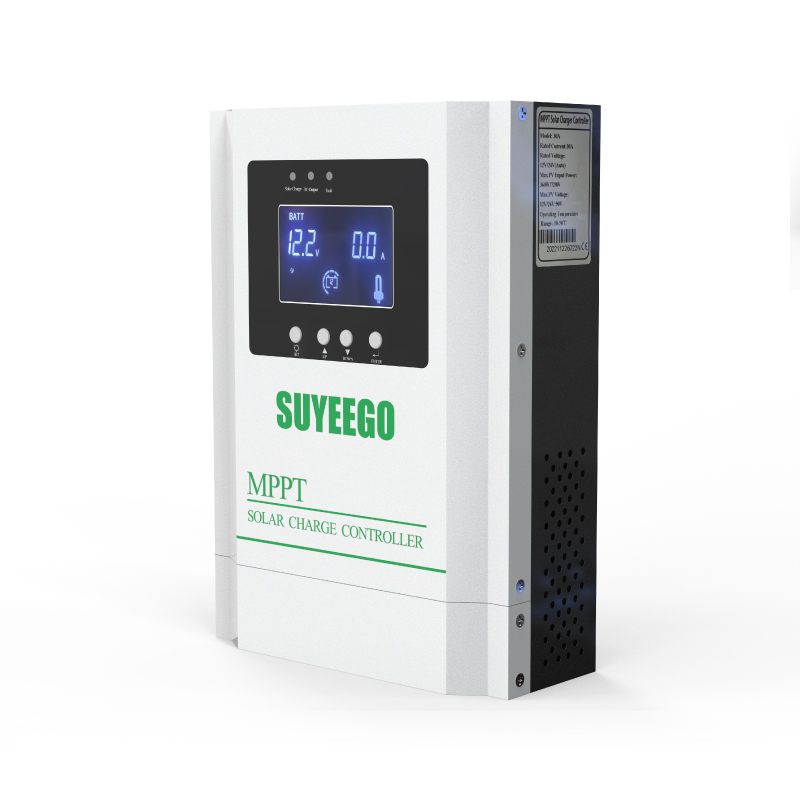
Panel first, then the run to the controller, then the controller's own input reading, then the battery. Each step should show something close to the step before it. A drop across one junction localises the fault to that junction without any guessing.
Our panels publish a 2-year warranty, so a panel that fails its own published figures early is a warranty conversation rather than a repair. Record the readings and the date when you take them - that is what makes the conversation possible.
What we do not publish
We do not publish an expected current under load for a given amount of sun, nor a tolerance band for field measurements. Comparison against Voc and Isc is the check our data supports; anything finer needs the conditions to be controlled, which a roof is not.
Frequently asked questions
- Can I test a panel without disconnecting it?
- You can read the voltage at the controller's input terminals, which tells you what is arriving rather than what the panel can produce. That is useful for localising a fault but it cannot confirm the panel itself, because the controller is part of the circuit.
- My panel reads the right voltage but the battery stays flat. What next?
- Look downstream. Check the fuse, the joints and the controller's own input reading, then the battery's state. Voltage at the panel with no charging current points at a connection or a controller fault, not the panel.
- Is a slightly low reading a problem?
- A reading a little under the published figure is normal, because the published figure comes from reference conditions. A reading far under it, or one that falls away as the panel warms, is worth investigating before it becomes a warranty claim.
- Do I need a clamp meter?
- For current on anything larger than a small panel, yes. Most multimeters are limited to a few amps on their current range, and a 200W panel publishes Isc of 12A.