How much does an RV solar system cost?
8 min read
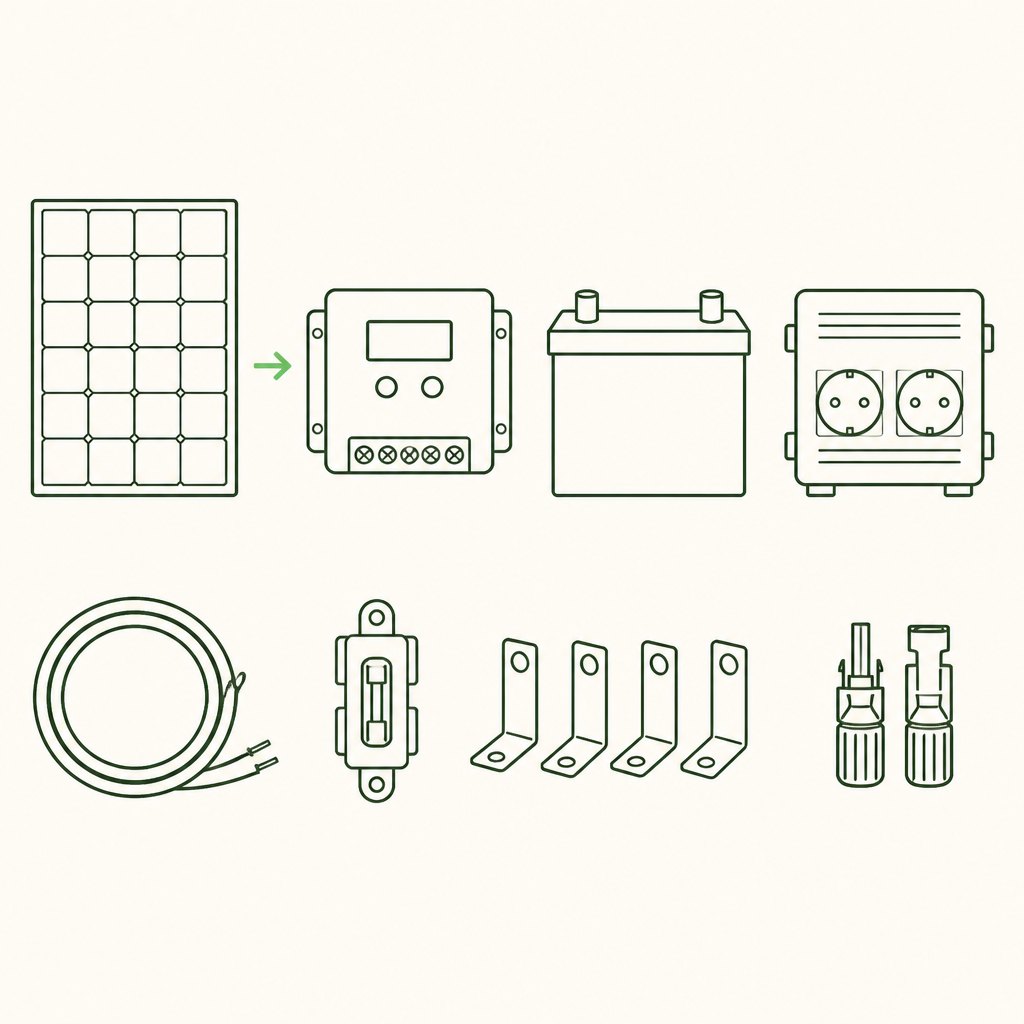
There is no single figure for an RV solar system, because the same daily energy need can be met at very different totals depending on how many days of battery you carry and how the array is built. Four things set the total: the array's rated watts, the battery's capacity and chemistry, the class of controller and inverter, and whether the quote includes cable, fuses, mounting and roof entry. Two prices only compare once those four are the same.
What actually sets the total
A price quoted for a 400 W system says very little on its own. Two systems built on the same array can sit far apart in total, because the array is only one line among several, and because the parts around it decide whether the system works the first time.
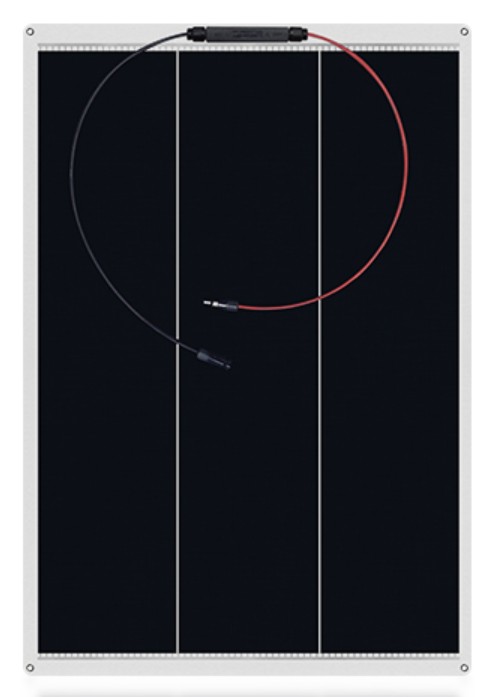
- Array rated watts, and whether the panels are framed and tilted or flexible and bonded flat to the roof
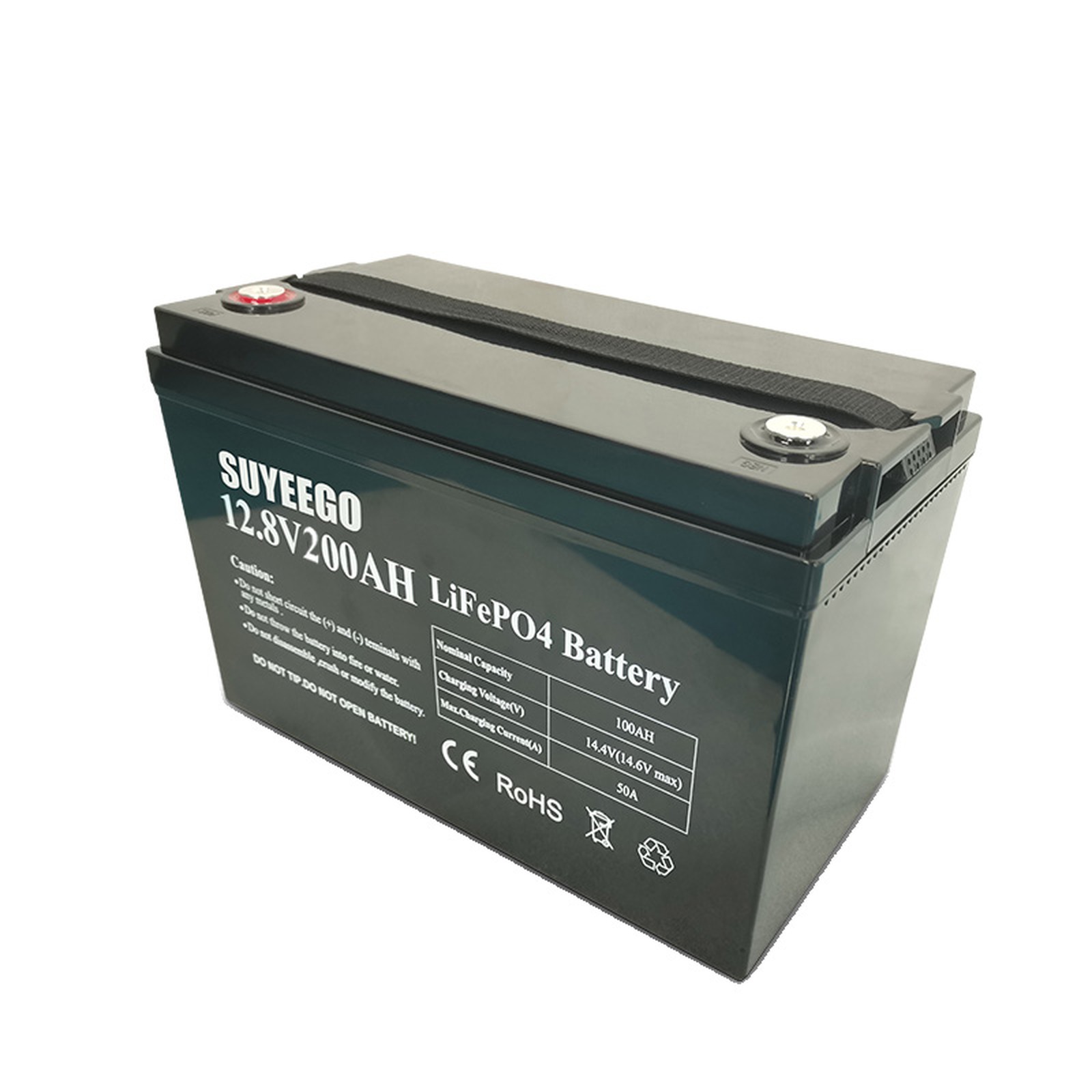
- Battery capacity in amp-hours, and the chemistry, because lithium and lead-acid give you very different usable capacity from the same nameplate figure
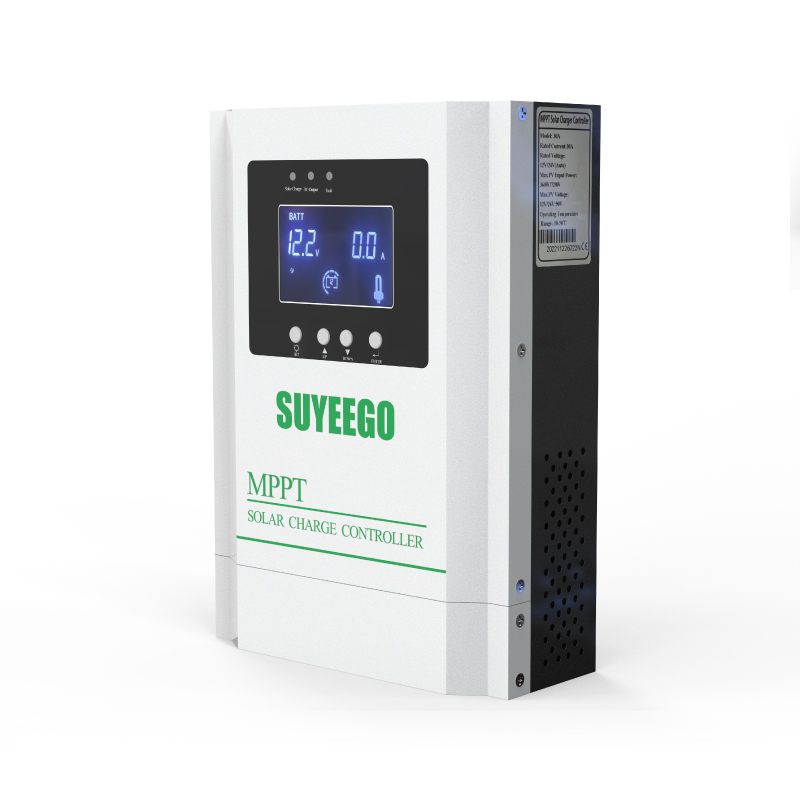
- The class of controller and inverter: PWM against MPPT, and a high-frequency inverter against a low-frequency one
- Everything around the main parts: cable gauge and length, fuses and holders, mounting, roof entry, connectors, and a shunt if the system is to be monitored
- Installation, whether that is your own time or someone else's
Why a price per watt misleads
A figure quoted per watt of panel almost always describes the panel alone. It is a fair way to compare one panel with another. It is not a description of a system, because the panel is one item in a chain that has to match from end to end.
Doubling the array without changing the controller can leave you paying for watts the controller cannot pass through to the battery. Buying a battery smaller than your daily consumption turns an expensive array into a system that still goes flat. Neither mistake appears in a per-watt figure, and both are common.
Fix five numbers before you ask for a price
Two quotes become comparable only once the requirement is fixed. These five figures do that, and every one of them comes from your own energy use rather than from a catalogue.
- Daily energy use in watt-hours, from listing each load and its running hours
- Array rated watts, sized against your least sunny month rather than your best one
- Battery capacity in amp-hours, at the chemistry you intend to use and the depth of discharge you will actually allow
- Inverter continuous rating in watts, plus the surge your motor and compressor loads will demand
- Controller current rating and maximum PV open-circuit voltage, checked against the array at its coldest
None of them needs a supplier to answer. Working them out first is what turns a conversation about price into a comparison of like with like, and it is also what stops a quote from quietly solving a different problem from the one you have.
Where a cheap system becomes two purchases
The waste in these systems rarely sits in the main components. It sits in the parts that were left out or specified too tightly, and it is usually paid for twice.
- A PWM controller on an array much above 200 W throws away a large share of what the panels produce; MPPT costs more on the invoice and less over the life of the system
- Cable sold as 4 AWG that is really copper-clad aluminium has more resistance per metre than the copper it claims to be, and that loss is paid on every charging hour
- A controller rated at exactly the array's short-circuit current runs at its limit and leaves nothing for a cold, bright morning
- No fuse at the battery terminal leaves the cable itself as the weakest link in a short circuit
- A flexible panel bonded flat to the roof with no air gap runs hotter, and loses output for the rest of its life
What both quotes must contain to be comparable
Before comparing totals, put the two parts lists side by side and check that each of these is present on both.
| Line | What to check |
|---|---|
| Cable | Gauge, conductor material, and the length actually supplied — a short run of thick copper can cost more than a long run of thin |
| Protection | Fuse or breaker at the battery, a holder, and a correct DC voltage rating |
| Mounting | Brackets, or adhesive and primer for a flexible panel, plus roof entry gland and sealant |
| Connectors | MC4 pairs and the tool to crimp them |
| Monitoring | Shunt or battery monitor, if the system is meant to be managed rather than guessed at |
| Labour | Whether installation is included, and what it covers |
| Warranty | Term, and who honours it in your country |
Why we publish specifications and not prices
The figures on our product pages are electrical and mechanical specifications, because those do not move with the market. Prices do: they follow quantity, freight, duty and the channel you buy through, so a number printed on a page would be wrong somewhere by the time you read it, and wrong in a way that is hard to notice.
In practice that means a comparison should start from the parts list and the ratings rather than from a headline figure. Send the five numbers above together with the array, battery and inverter you have in mind, and the answer you get back can be checked line by line.
Frequently asked questions
- Is a complete kit cheaper than buying the parts separately?
- Sometimes, but the saving is usually in the main components while the cable, fuses and mounting are missing. Compare the two parts lists before comparing the totals: a kit that omits protection and mounting is not a cheaper version of the same system.
- Which part of an RV solar system costs the most?
- It depends on how the system is sized. A system for one night off grid puts most of its cost into the array and controller; each extra day of autonomy moves the largest line towards the battery. That is why a price for a 400 W system says little until the battery capacity is known.
- Can I build the system in stages to spread the cost?
- Yes, provided the first stage leaves headroom: a controller with spare current and voltage, cable sized for the final array, and a battery bank that can accept another unit of the same model and age. Retrofitting those later costs more than allowing for them at the start.
- Does a larger array always cost proportionally more?
- No, because the parts around it change class as the array grows. Past a certain point the controller steps up to a larger model and the cable has to be thicker, so the panels themselves are only part of the increase.