Does a DC charger work with a smart alternator?
6 min read
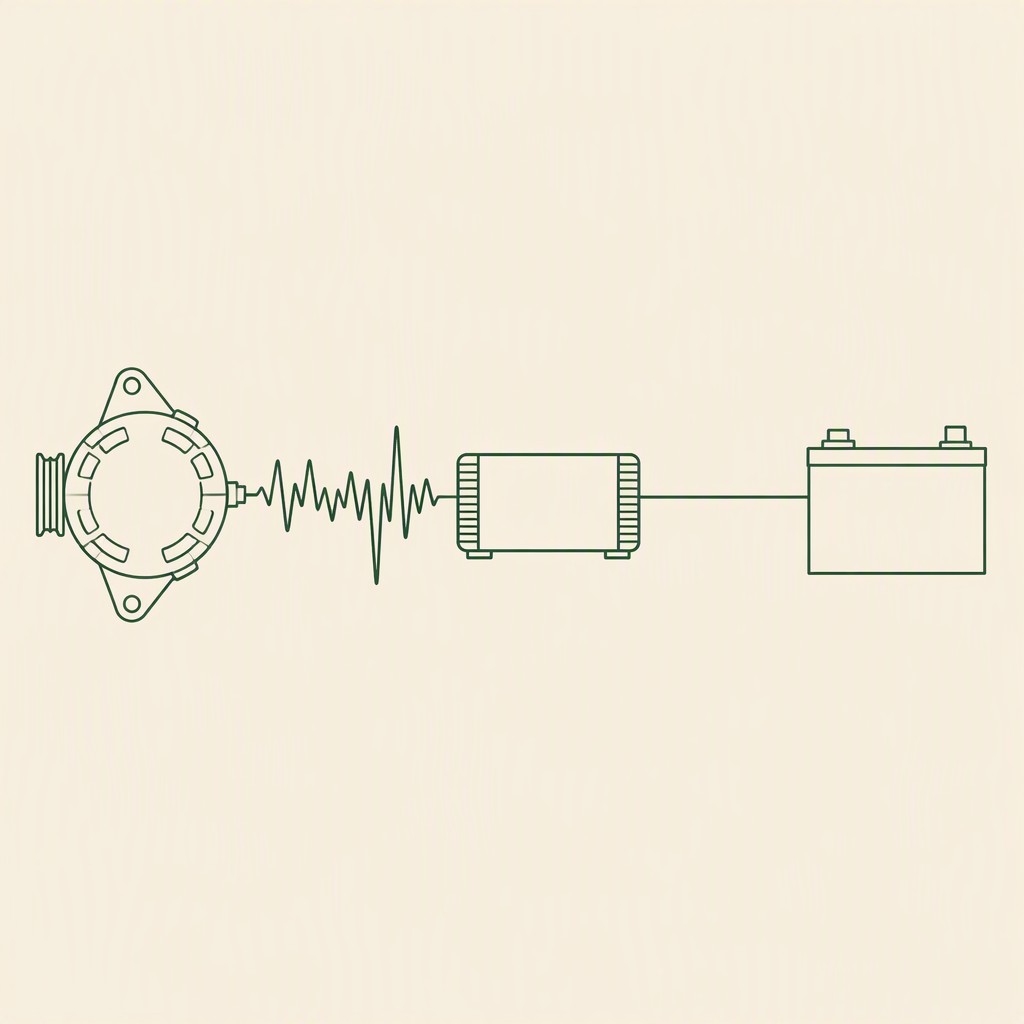
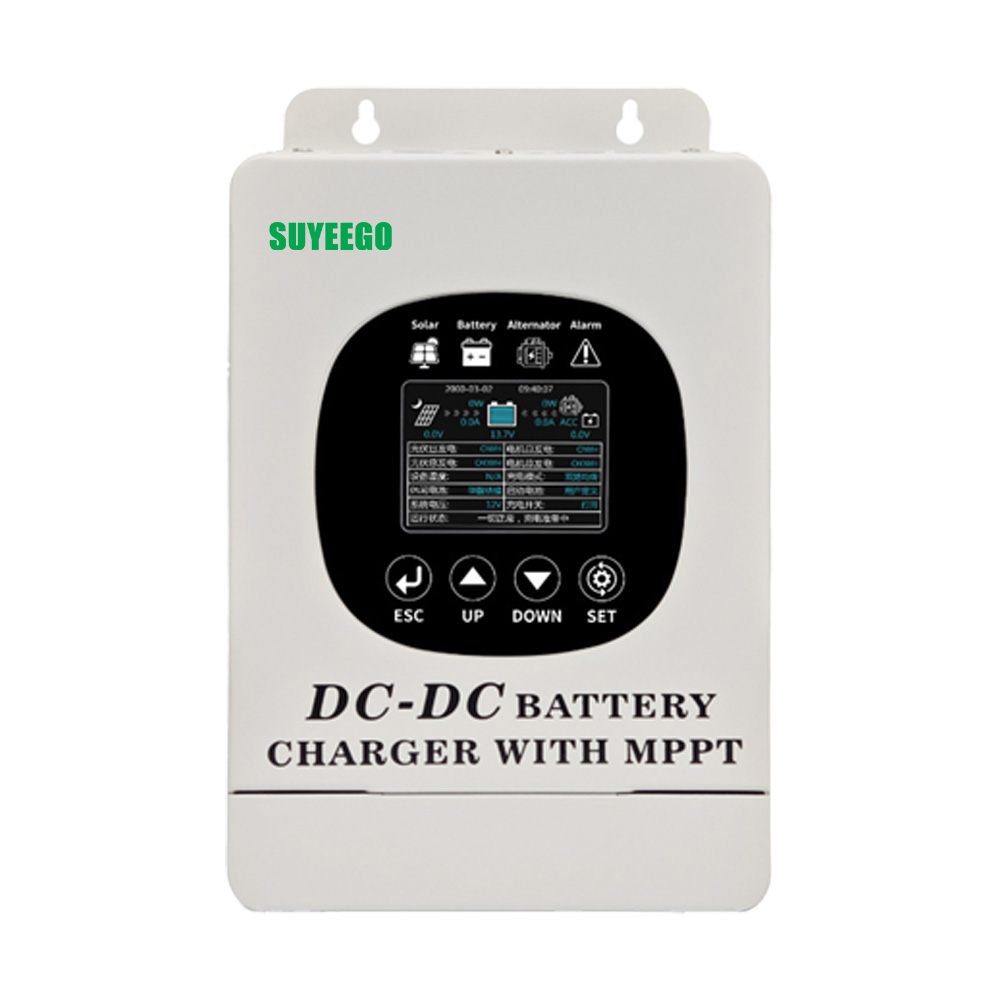
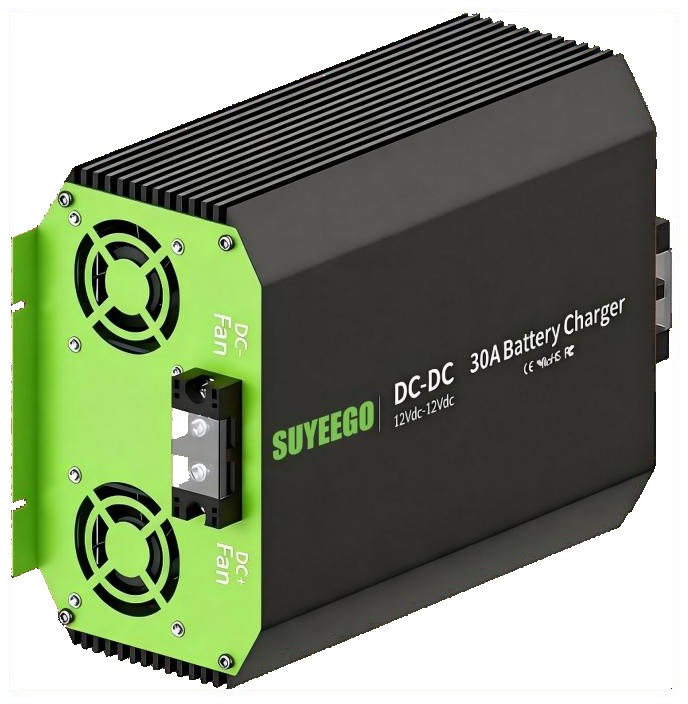
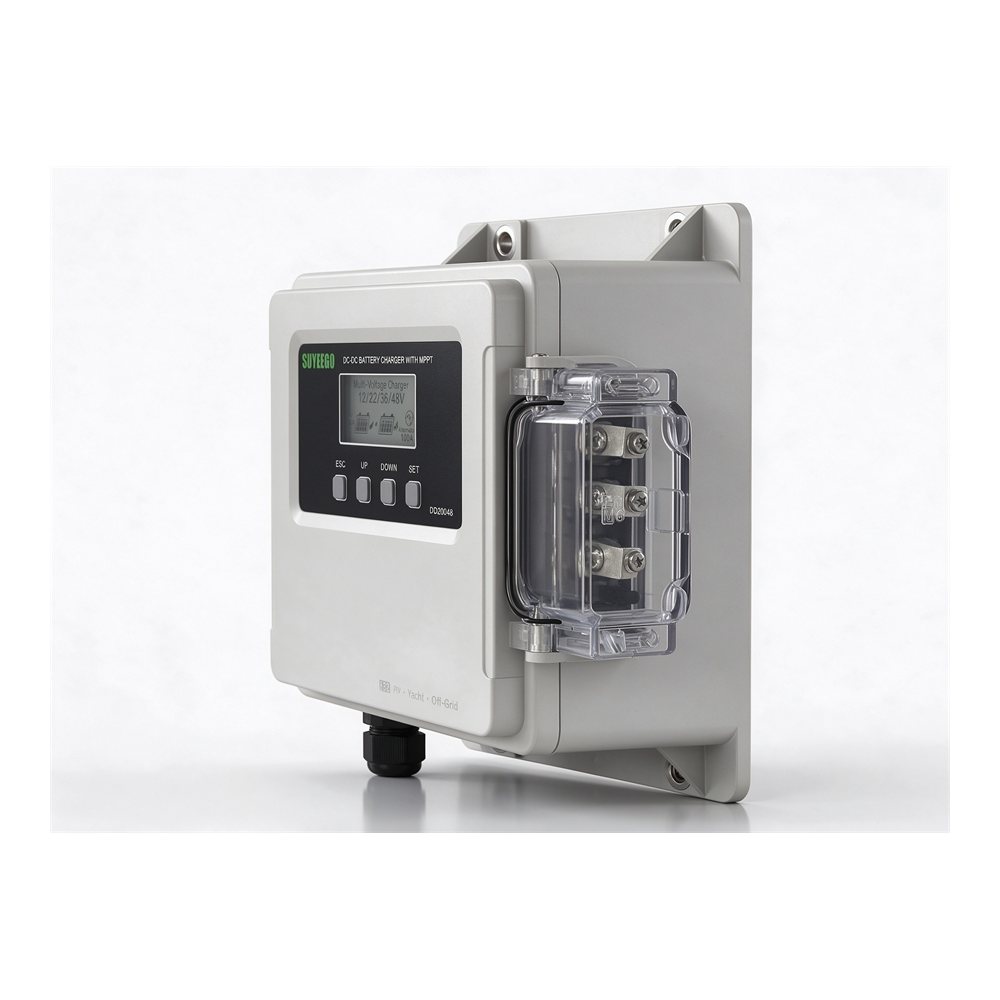
Yes, and it is the case a DC charger is built for. A smart alternator varies its output voltage deliberately, sometimes sitting as low as 12V on a 12V system, which is below what a leisure battery needs. A charger that converts rather than passes through can still lift that to a charging voltage, and our DD range publishes both windows: 13.2V to 16V for a traditional generator and 12V to 16V for an intelligent one.
What a smart alternator does differently
On a fixed-voltage vehicle the alternator holds a target close to 14V and a split-charge relay simply passes it to the leisure battery. A smart alternator is controlled for emissions and fuel economy instead: once the starter battery is charged, the regulator lowers its target, and the voltage arriving at a rear-mounted leisure battery can end up below the level that charges it at all.
| Generator | Published input window (12V system) | What a relay does |
|---|---|---|
| Traditional | 13.2–16V | Passes the voltage through, charges slowly |
| Intelligent | 12–16V | Passes a voltage too low to charge, so charging stalls |
Why conversion is the answer
The DD range publishes boost, buck and boost-buck operation. Boost is the part that matters here: the charger can raise a low input to a charging voltage, so a variable alternator becomes an input condition rather than a failure. The published generator input accepts up to 80V and, on the DD4048 and DD6048, up to 20A of current.
What to check on the vehicle
- Measure the voltage at the starter battery with the engine running and the lights on, then again after ten minutes when the alternator has decided the battery is full. The second reading is the one that decides whether a relay would work.
- Measure at the leisure battery position, not at the front. Voltage lost along the run is part of the problem a charger solves.
- Identify the control signal. The DD range publishes an external remote switch control for charging, so plan for a wire that tells the charger the engine is running.
- Check whether the vehicle already has a DC-DC converter or a tow-bar module in the charging path, because two devices in series have two sets of limits.
What we do not publish
We publish the charger's input window and its conversion behaviour, not your vehicle's alternator strategy. The voltage your own alternator holds, and when it decides to lower it, is a property of the vehicle. Treat the published 12V to 16V window as the question to test your vehicle against, rather than as a promise about every vehicle.
Frequently asked questions
- Will a split-charge relay work with a smart alternator?
- Often not. A relay passes through whatever voltage it is given, and a smart alternator deliberately lowers that voltage once the starter battery is charged, so the leisure battery can sit below its charging threshold. A charger that boosts the voltage is the method that keeps working.
- How do I know if my vehicle has a smart alternator?
- Measure the voltage at the starter battery with the engine running, then again after several minutes of running with the battery charged. A fixed-voltage alternator holds roughly the same figure; a smart one drops it, sometimes to around 12V to 12.5V.
- Does a DC charger strain a smart alternator?
- The charger's draw is limited by its own rating and, on the DD range, by the published maximum generator input current of 20A. That figure is the load the charger can place on the vehicle's electrical system, and it is published so it can be checked against the vehicle.
- Can the charger run with the engine off?
- It should not. The DD range publishes an external remote switch control for charging, which is how the installation is arranged so the charger works only when the engine is running.