Does a DC charger draw power when the engine is off?
6 min read
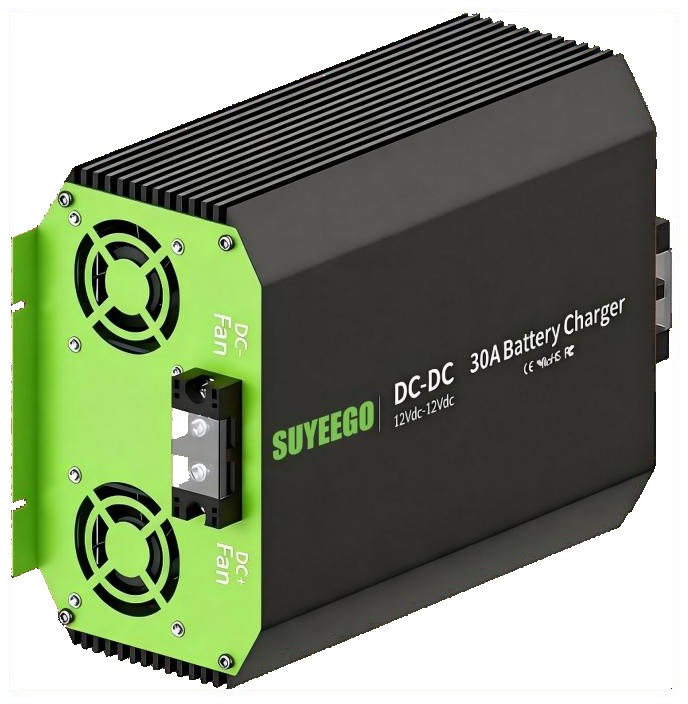
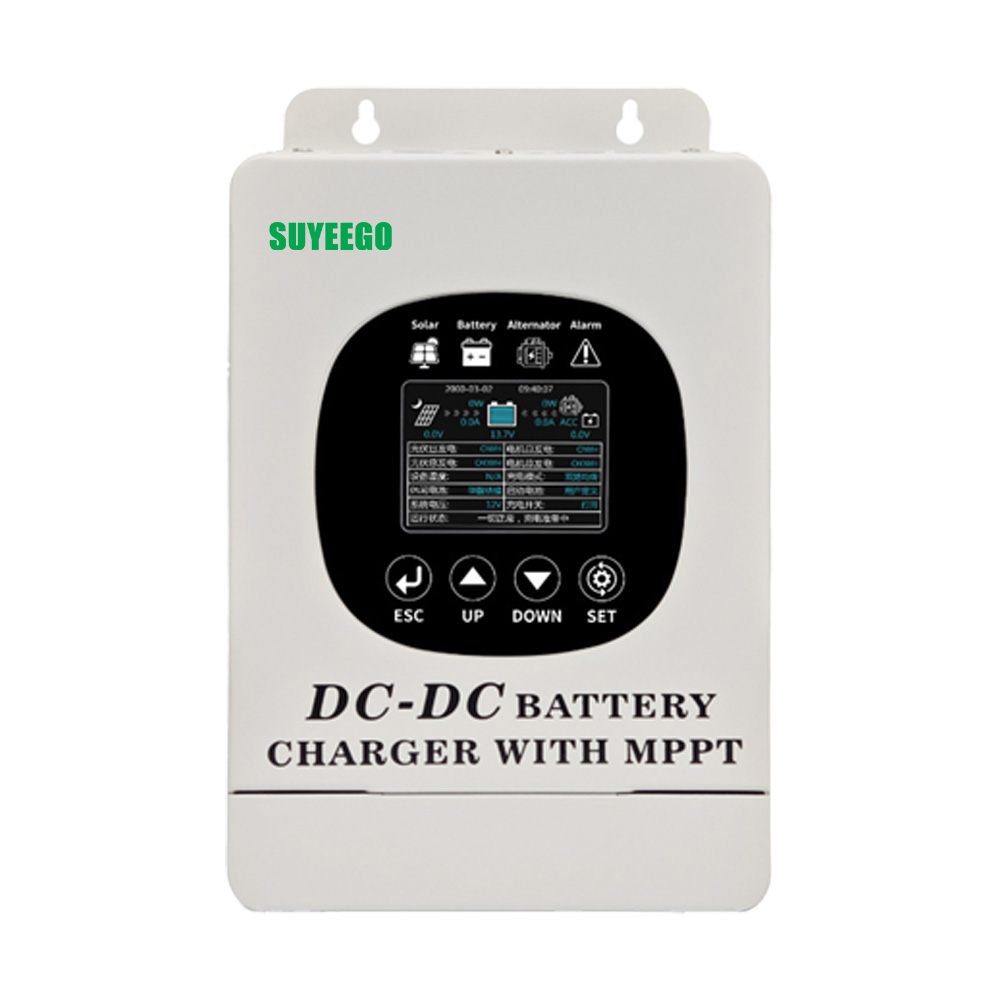
Very little, and it should not be charging at all. The 12V 20A to 60A range publishes an idle power consumption below 0.4A, which is the standing draw it places on the system when it is connected but not charging. What keeps a parked van safe is not that small figure on its own but the control arrangement: the DD range publishes an external remote switch control for charging, so the charger waits for the engine instead of running whenever the cable is live.
What "idle" means for a charger
A charger has three states worth distinguishing. It can be converting power and delivering charge current, it can be connected and waiting with its electronics alive, or it can be isolated and drawing nothing. The published idle figure of below 0.4A on the 12V 20A to 60A range describes the middle state, and it is small enough that a healthy leisure bank would take weeks to notice it.
The control signal is what matters
- The DD range publishes an external remote switch control for charging, which is how the installation makes the charger wait for the engine.
- If that control is bridged or fed from a permanently live circuit, the charger no longer decides for itself when to work, and the small idle figure stops being the relevant number.
- On the 12V 20A to 60A range, the published input window is 8V to 16V with a low-voltage cut-off at 8V and restart at 10V. Those figures describe the charging behaviour, not a way to protect the battery from standing draw.
- A charger that has been installed so that it can charge with the engine off is the fault to look for first when a leisure bank goes flat on a parked van.
Adding it up honestly
A standing draw below 0.4A is roughly ten amp-hours over a day, and a leisure battery of any useful size carries that for a long time. The same arithmetic applied to an inverter left switched on, or a fridge running, produces a number an order of magnitude larger, which is why those are the loads worth switching off and the charger is not.
- Below 0.4A is the published figure for the 12V 20A to 60A range.
- The DD range publishes no equivalent standing figure, so we quote it as absent rather than as zero.
- If a measured standing draw is much higher than the published figure, something else is connected, or the charger is not actually idle.
What the range does not publish
We publish the idle consumption of one range and no consumption curve for either. Treat the figure as a design bound for that range rather than as a measurement of your particular unit, and measure the actual standing draw at the battery if the number matters to your storage plan.
Frequently asked questions
- How much power does a DC charger use when it is not charging?
- Below 0.4A is the idle consumption the 12V 20A to 60A range publishes. That is the draw while connected and waiting, which is a small load on a leisure bank and a very different number from a charging current.
- Will a DC charger drain my battery over winter?
- Not through its idle draw alone on the range that publishes one, because the figure is small. The real risk on a stored van is a charging circuit that can still run with the engine off, so check the control wiring and disconnect the bank if the vehicle will stand for months.
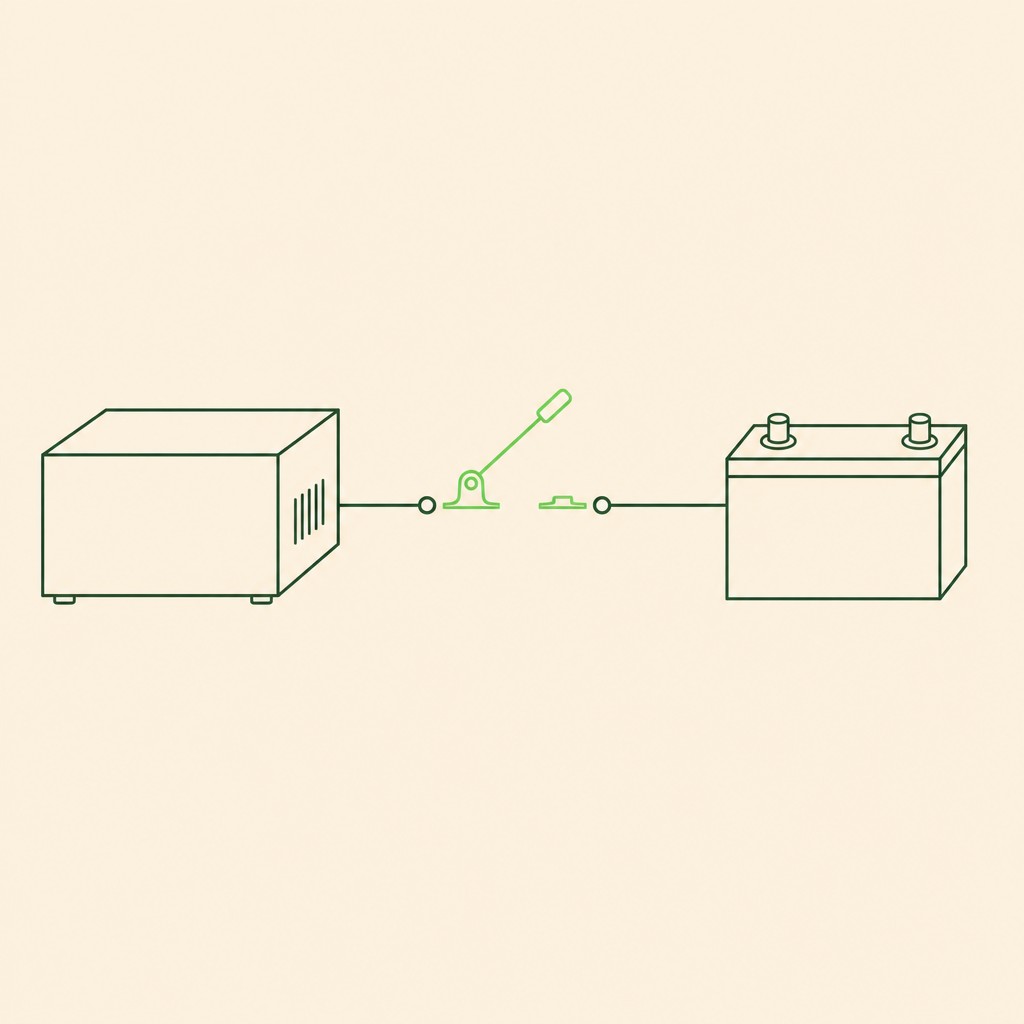
- Should I fit a master switch to the charger?
- It is a reasonable belt-and-braces measure for long storage, and it is also the honest way to test the cause of a drain: isolate the charger and see whether the standing draw disappears. Just remember that the charger's own control circuit is what should be doing that job.
- Does the fan or the display draw power when idle?
- The published figure covers the unit as a whole in its idle state, including whatever it needs to stay ready. We do not publish the split between the electronics, the display and anything else inside that number.