What voltage should a LiFePO4 leisure battery be charged at?
6 min read
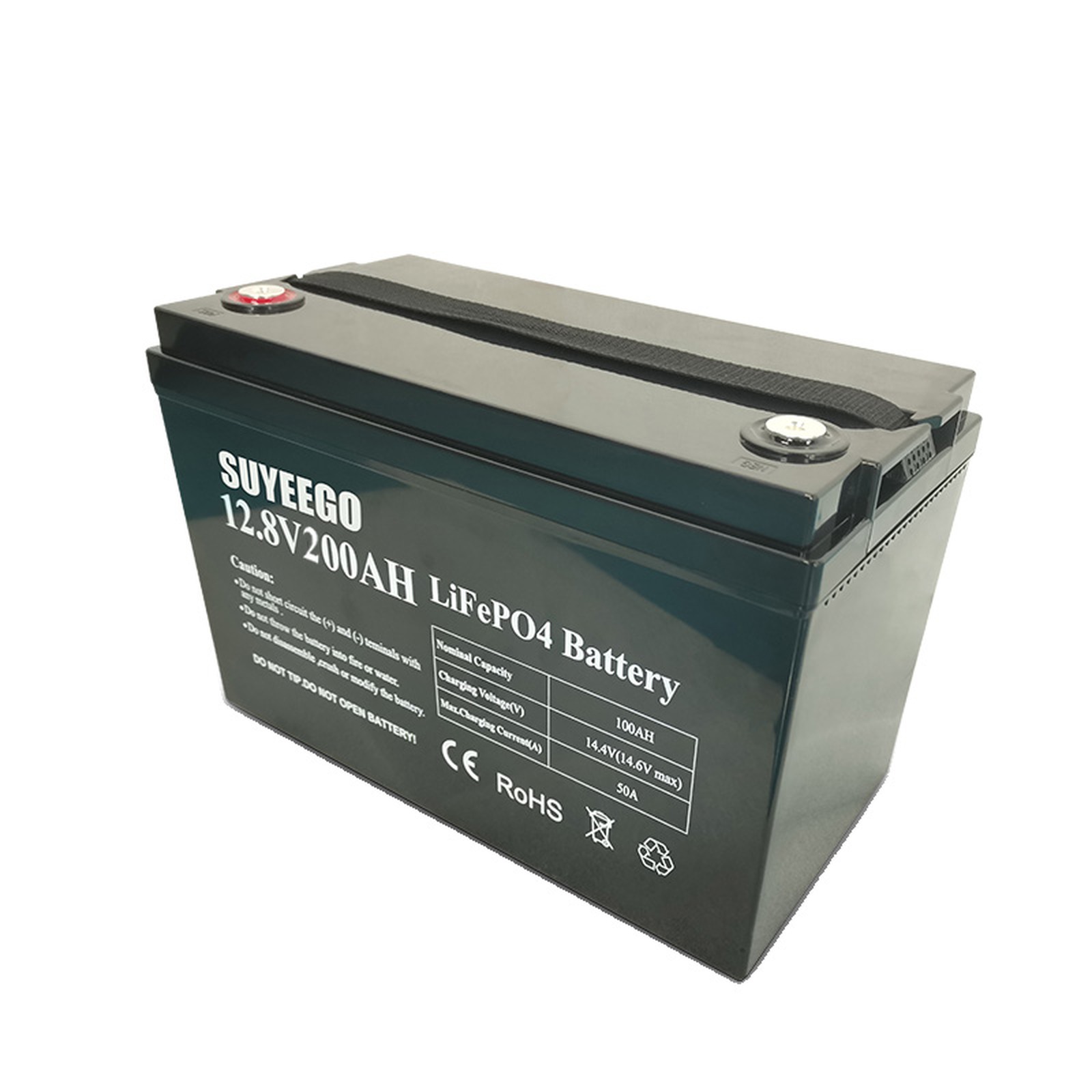
A 12.8V LiFePO4 battery is charged at 14.40–14.60V. That figure matters because it is higher than the voltage many vehicles and chargers actually deliver, and the failure it causes is quiet rather than dramatic: a charging source that stops short of it leaves the battery part-charged, which is the condition that makes people believe their lithium battery holds less than it was sold as. A traditional alternator's published window is 13.2–16V, and a vehicle running near the bottom of that band will never fill a lithium battery at all. The answer is equipment with a selectable lithium profile — a DC-DC charger, a mains charger or a solar controller — rather than a voltage adjusted by hand.
Start from the battery's own figure
Every battery has a charging voltage, and for a 12.8V LiFePO4 it is 14.40–14.60V. Below that figure the battery will still accept current, but it will not reach full charge, and it will sit at a partial state of charge indefinitely. That is why two installations with identical batteries can behave completely differently: the battery is not the variable, the equipment around it is.
What a charging profile is

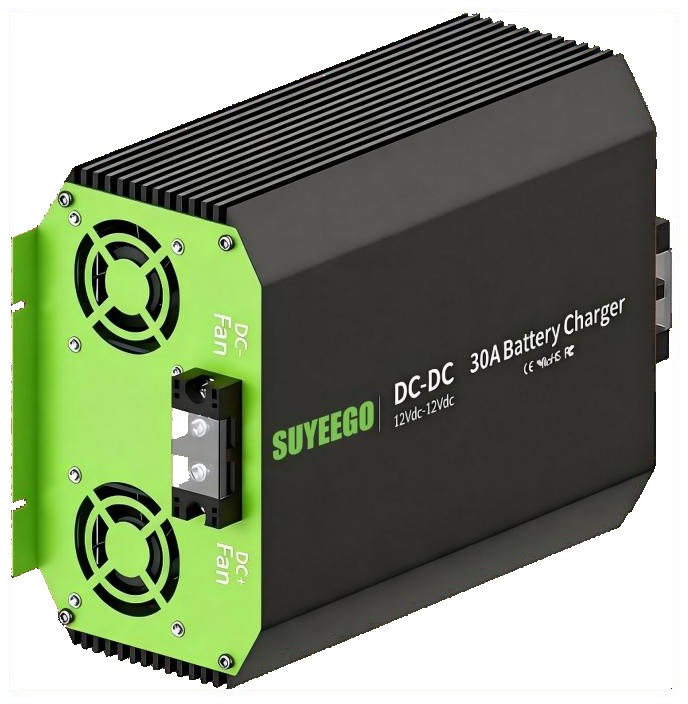
Good charging equipment does not simply apply a voltage and wait. It runs a profile: a first stage that pushes a steady current in while the voltage rises, a second stage that holds the target voltage while the last of the capacity goes in, and a third stage at a lower voltage to hold the battery there without cooking it. SUYEEGO's DC-DC charger is described as three-stage charging, and it is the second stage — the constant-voltage one — that determines whether the battery finishes full.
The distinction that matters when comparing equipment is whether the voltage is fixed or selectable. A charger with one factory setting is designed around one chemistry, and it will treat every battery as though it were that chemistry.
Why lead-acid habits leave lithium short
Charging equipment built for flooded or AGM batteries works to lower voltages, because those chemistries are damaged by being held at a high voltage for hours. Connect that equipment to a lithium battery and the result is a battery charged to whatever the lead-acid profile permitted — often most of the way, rarely all of it.
The alternator has the same problem in a different form. Its published window on a 12V system is 13.2–16V, and a lithium battery wants 14.40–14.60V, so a vehicle charging at the bottom of that band is asking the battery to fill from a voltage it cannot fill from. This is the arithmetic behind the two devices on this site that exist to solve it: a DC-DC charger that converts the alternator's output to the right charging voltage, and a dual input charger that does the same while also tracking a solar array.
What to look for on the equipment
- A selectable battery type that includes lithium, rather than one fixed profile. The DC-DC charger range covers flooded, gel, AGM and lithium; the dual input charger adds sealed, colloid, water addition and ternary lithium settings.
- A charging voltage range that reaches the battery's figure. The DC-DC charger's published range is 13.2V–14.7V across its settings, which covers a 12.8V LiFePO4 charge voltage with room above it.
- Three-stage operation, so the battery is taken to full and then held rather than left to the first two stages.
- A solar controller with a lithium setting or a user-defined profile, if the array is part of the charging plan (see the MPPT guide).
- A charger output that suits the battery's own limits. The 12.8V 200Ah LiFePO4 in this range accepts up to 100A of charging current, which is far more than most vehicle charging sources can supply, so the source is usually the constraint rather than the battery.
SUYEEGO's chargers are built in 20A to 60A versions with selectable chemistry profiles and a charging voltage range of 13.2V to 14.7V, and the dual input charger extends the same idea to a solar array as well. If you tell us the battery you have and what is charging it, we will tell you whether the equipment can reach the voltage the battery needs.
Frequently asked questions
- What voltage should a 12V lithium battery be charged at?
- A 12.8V LiFePO4 battery is charged at 14.40–14.60V. Equipment that stops below that figure will leave the battery part-charged rather than full.
- Can I charge a lithium battery with a lead-acid charger?
- It will put charge in, but the profile is wrong for the chemistry: the absorption voltage is lower and the float stage is designed to protect lead plates. The usual result is a battery that never quite reaches full.
- Is 13.8V enough to charge a lithium battery?
- Not on its own. It is well below the 14.40–14.60V this chemistry wants, so it will hold a part-charged battery rather than fill it.
- Do I need a special charger for LiFePO4?
- You need one with a lithium profile, which is a setting rather than a different device. A DC-DC charger, mains charger or solar controller with selectable chemistry will do it correctly.