Why is my RV inverter beeping or giving no output?
7 min read
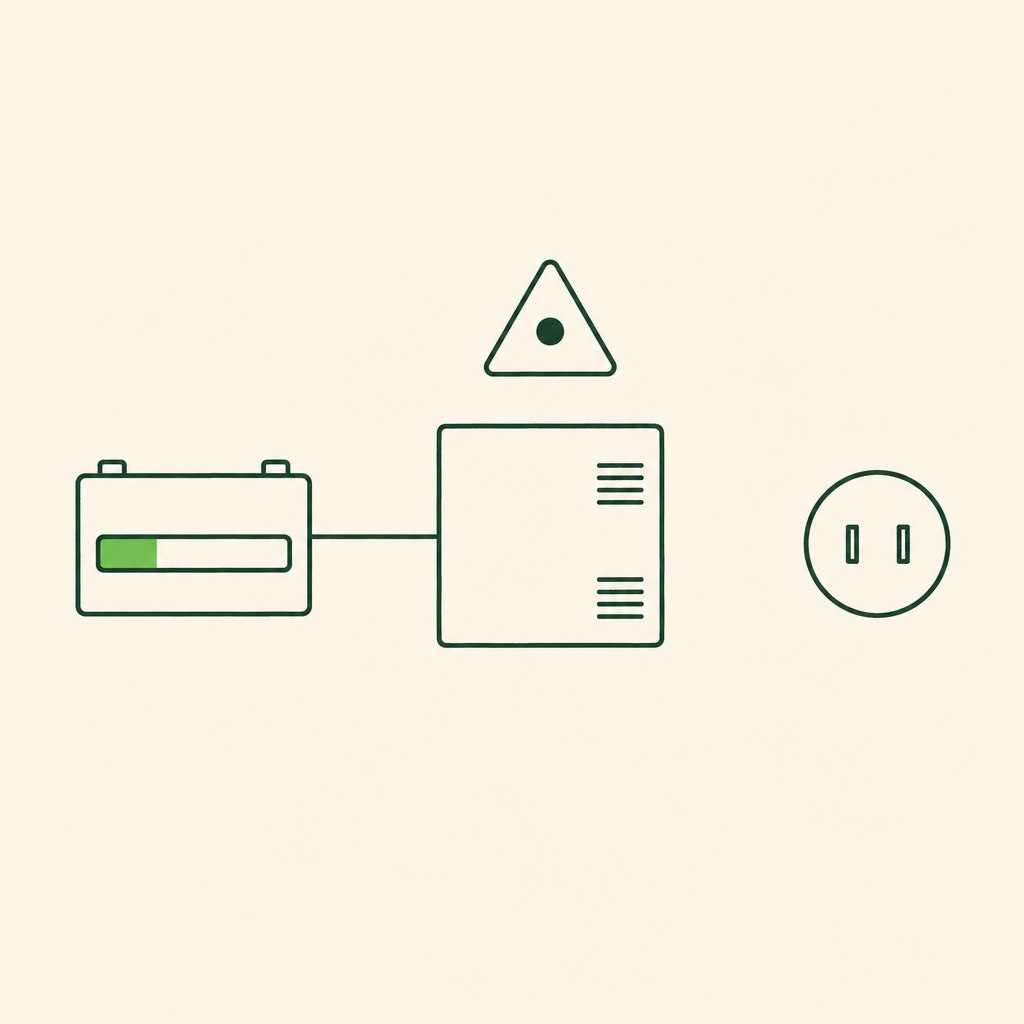
On most RV inverters a beep or a shutdown is a message about the DC side rather than a fault inside the inverter: the battery voltage has fallen, the current being asked for is too high, or the unit has overheated. The published behaviour of this range is typical — a low-voltage alarm at 10.5V on a 12V bank, a cut-off at 10V, and shutdown on overload, short circuit, overheat and reverse connection. Work through the DC side in order: battery voltage measured under load, then the connections and the fuse, then the load itself.
A beep is usually the low-voltage alarm
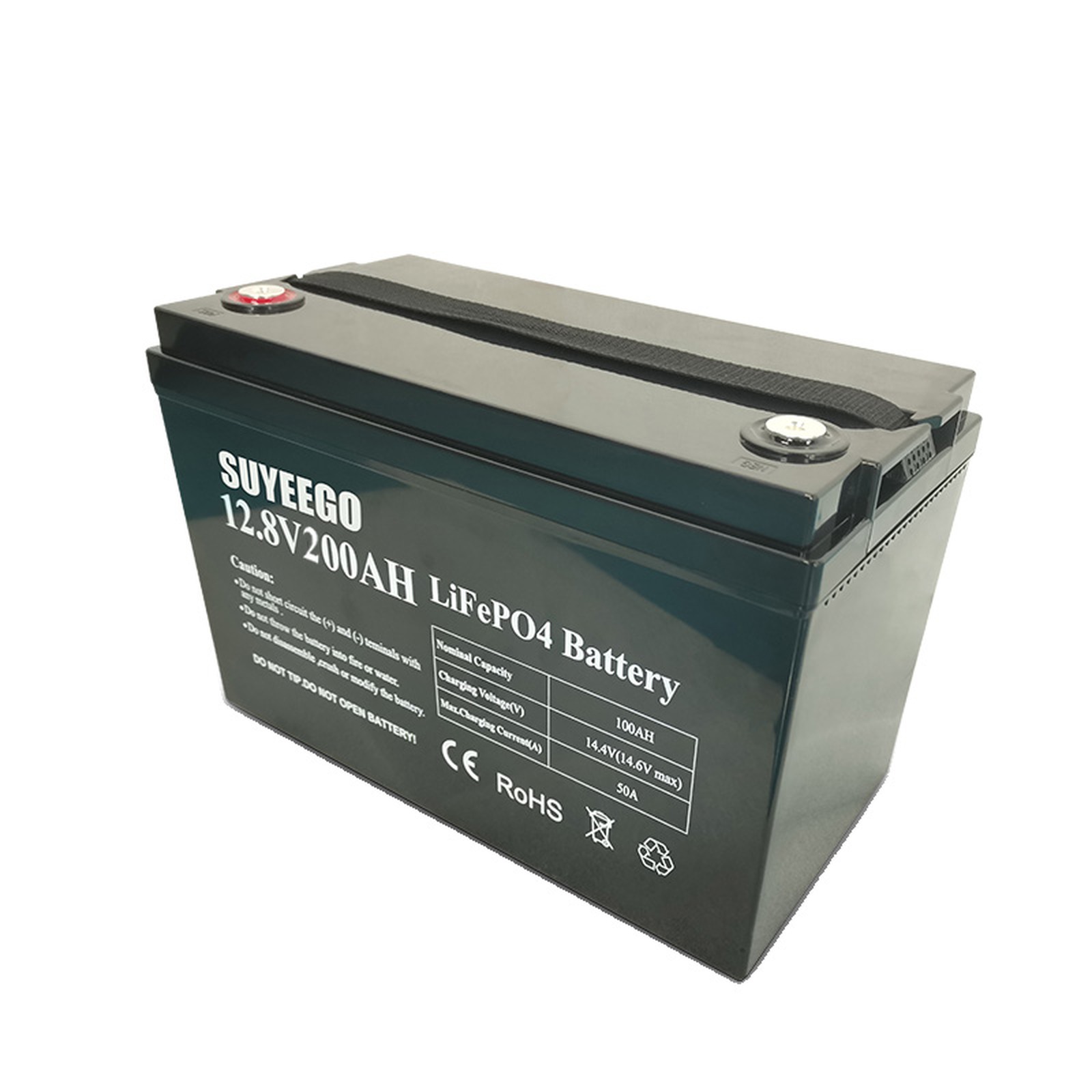
The alarm exists to tell you the battery is nearly out of usable energy before the inverter stops. The trap is that a battery at rest can read a healthy voltage and still fall far below the alarm threshold as soon as current flows, because what you are measuring is the open-circuit voltage and not the voltage under load. Measure at the inverter's own DC terminals, with the load switched on, and read the number while it is running.
No output and no noise
- The DC fuse, which may be at the battery end of the cable rather than at the inverter.
- The battery isolator or master switch, which may have been left off.
- A loose or corroded terminal: a joint that passes enough current to light a lamp may drop enough voltage to stop an inverter.
- Reverse polarity, if the unit has just been installed — this is the one failure a modern inverter will not forgive.
- The inverter's own power switch, or a remote control that is in the off state.
- Thermal shutdown: the unit will restart on its own once it has cooled, which is worth watching for.
The order that finds the cause fastest
- Measure the battery voltage at the inverter terminals with a load connected. Below the alarm threshold means the battery, not the inverter.
- Touch the terminals and the fuse after a few minutes of running. Warm is normal; hot points at a poor connection.
- Disconnect everything from the output and see whether the inverter settles. If it does, the load or its start-up current is the problem.
- Try a different, smaller load. If a known good load works, the inverter is fine and the appliance is the question.
- Check the ventilation. An inverter that fails after ten minutes of work every time is telling you about heat, not about the load.
When it is the load rather than the inverter
Appliances with motors and compressors draw several times their running current for a moment at start-up, and that moment is what the peak rating covers. If an appliance that used to run now trips the inverter, the change is more often in the battery than in the inverter: a bank that has aged delivers a lower voltage under the same surge, and the unit reacts to the voltage it sees.
The figures the range publishes
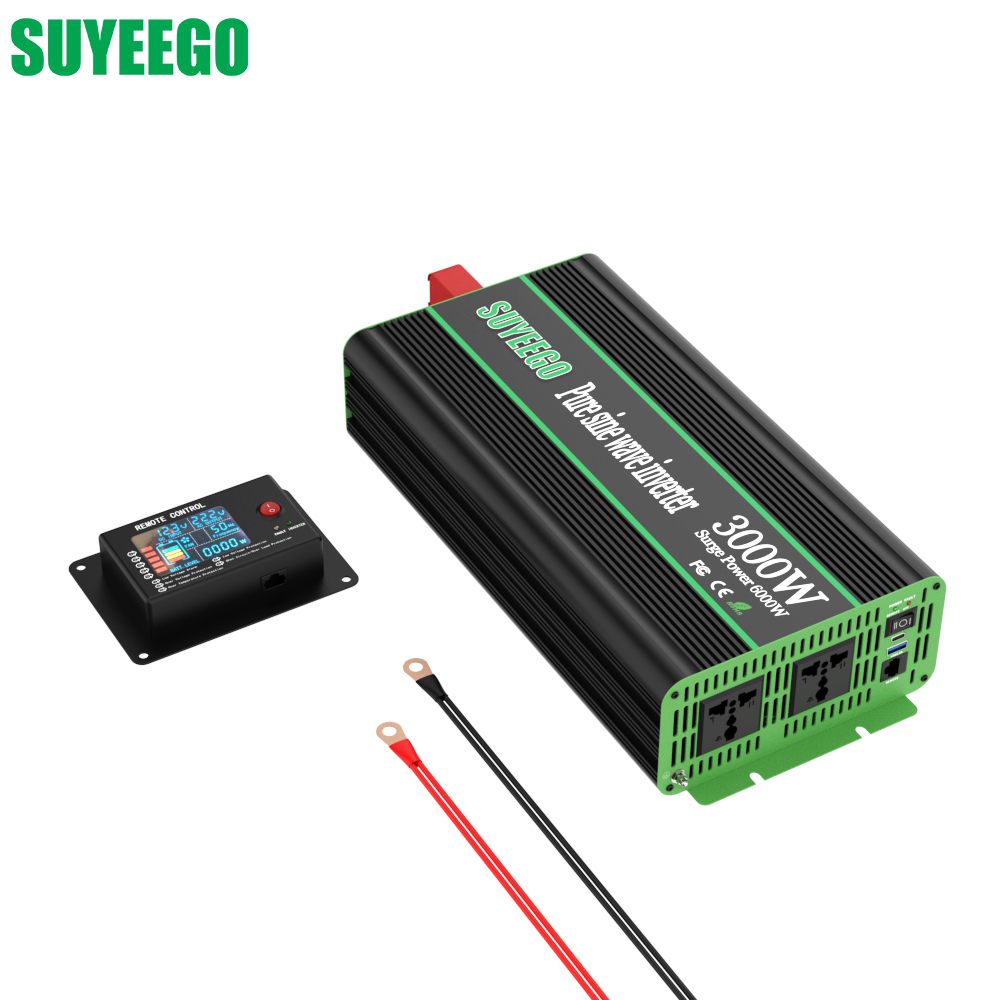
The SYGG-FSC range publishes a low-voltage alarm at 10.5V ±0.5V and a cut-off at 10V ±0.5V on a 12V bank, halved for the 24V models, along with protections for overload, short circuit, overheat and reverse connection, a maximum outer temperature of 50 °C and a built-in cooling fan. Those numbers are what the beep and the shutdown are telling you about.
Frequently asked questions
- Why does my inverter beep when the battery shows 12V?
- Because that reading was taken at rest. A nearly empty battery can still show 12V with no load and fall below the alarm threshold the moment current flows. Measure at the inverter terminals with the load running, and the number will make sense of the alarm.
- How do I test an inverter without a load?
- There is not much to test without one: with nothing connected, the inverter has nothing to react to. Use a small known load such as a lamp or a low-power heater, and watch the DC voltage at the terminals while it runs.
- Can a blown fuse make the inverter beep?
- No. A blown fuse means no supply at all, so there is nothing to beep. A connection that passes current but drops voltage can cause beeping under load, and that is what a warm terminal or a warm fuse holder is telling you.
- Should I keep running it while it beeps?
- Not for long. The alarm is a warning that the battery is close to its cut-off, and running on past it deepens the discharge. Treat repeated beeping as a signal to reduce the load or charge the battery.