Can you run an RV inverter straight from solar panels?
6 min read
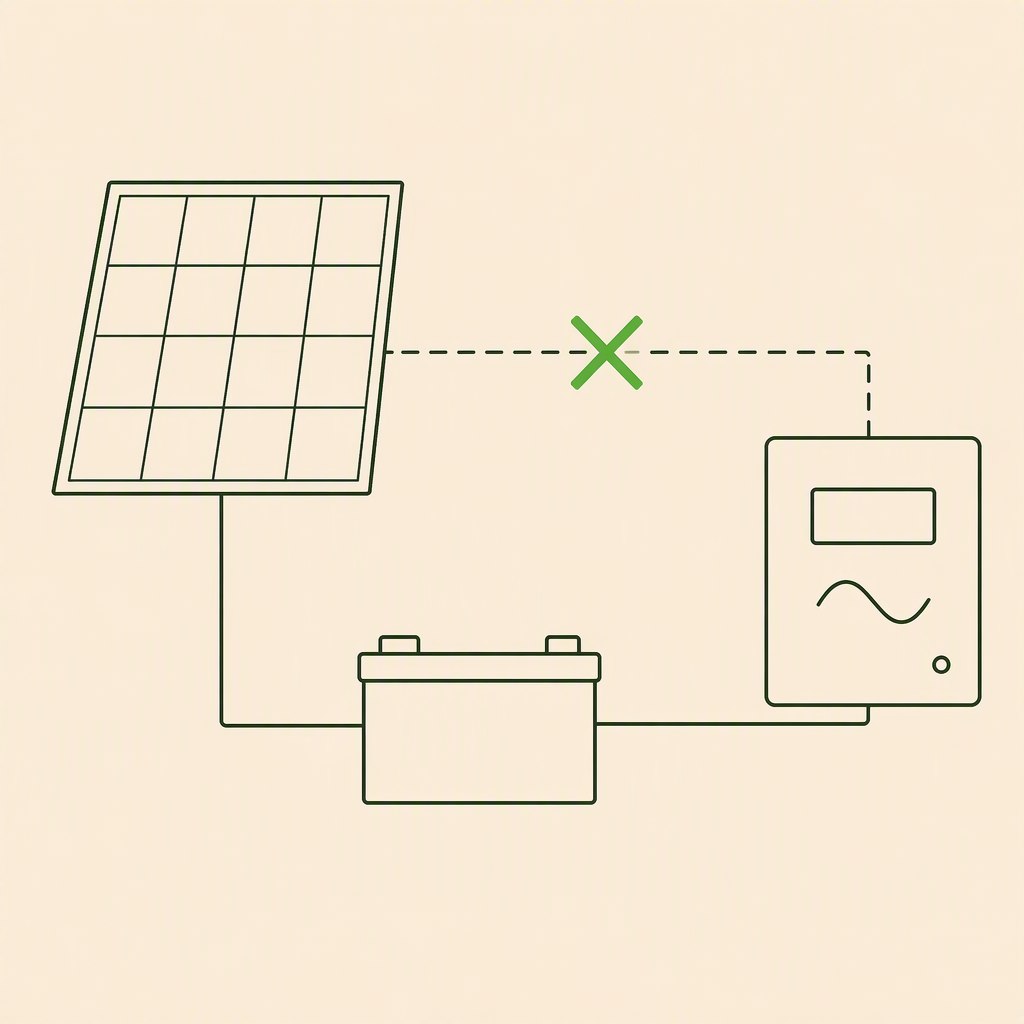
No. Every inverter in our range publishes a DC input of 12V or 24V, which is a battery voltage, and no model publishes a panel input. The solar side of the system is the charge controller: the panels charge the battery, and the inverter draws from the battery. Putting a panel straight onto an inverter input leaves nothing to hold the voltage steady as the light changes.
Two different jobs on the same wire
A panel is a current source whose voltage moves with the light, the temperature of the cells and how much of the array is shaded. A battery is a voltage source: it holds a level and can supply a surge. An inverter is built for the second kind of input. Its published low-voltage alarm at 10.5V and cut-off at 10V on a 12V bank exist because it expects a supply that stays near a known level.
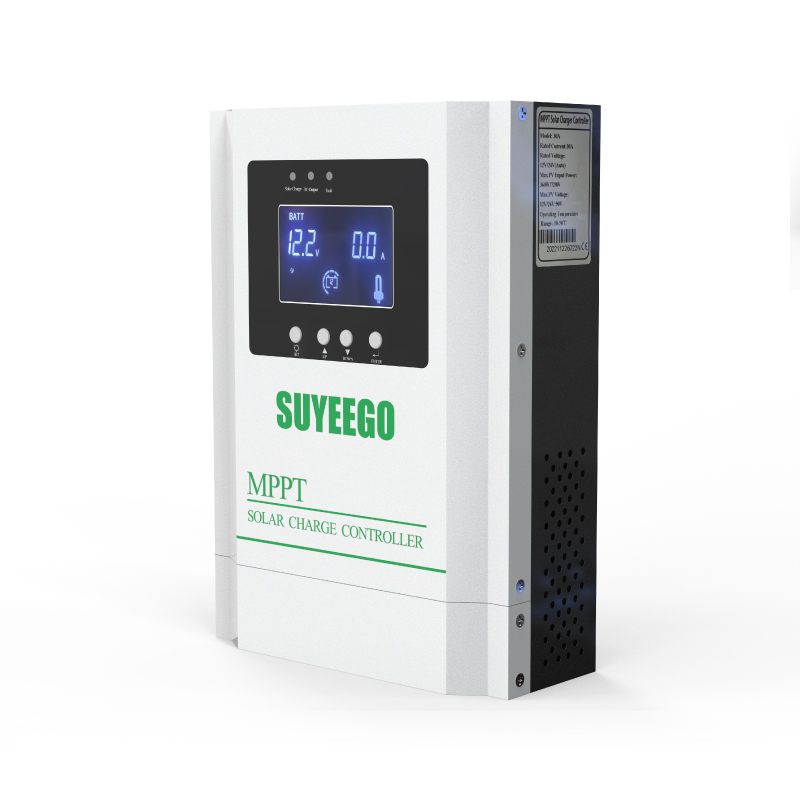
The charge controller is the part that speaks both languages. It takes whatever the array offers in current and voltage and turns it into the charging profile the battery needs. That is the whole point of an MPPT controller, and it is why the controller sits between the panels and the battery, not between the panels and the inverter.
The published path
- Panels produce DC at whatever voltage the string and the light allow.
- The controller converts that into a controlled charge for the battery.
- The battery stores the energy and supplies a steady DC level.
- The inverter turns that DC into 110V or 220V AC for the appliances.
What happens if you try it anyway
The inverter would start when the light was strong and stop when it was not. A cloud, a shadow from the awning or a low sun would drop the input below the alarm level and the unit would shut down or restart, which is hard on the unit and hard on anything with a compressor plugged into it.
Where the panels fit in the sizing
The two sides of the system are sized separately. The inverter is chosen from the loads: what runs at the same time, and what surges at start-up. The array and the controller are chosen from the energy you take out of the battery and want to put back. A bigger inverter does not need a bigger array unless the loads run longer.
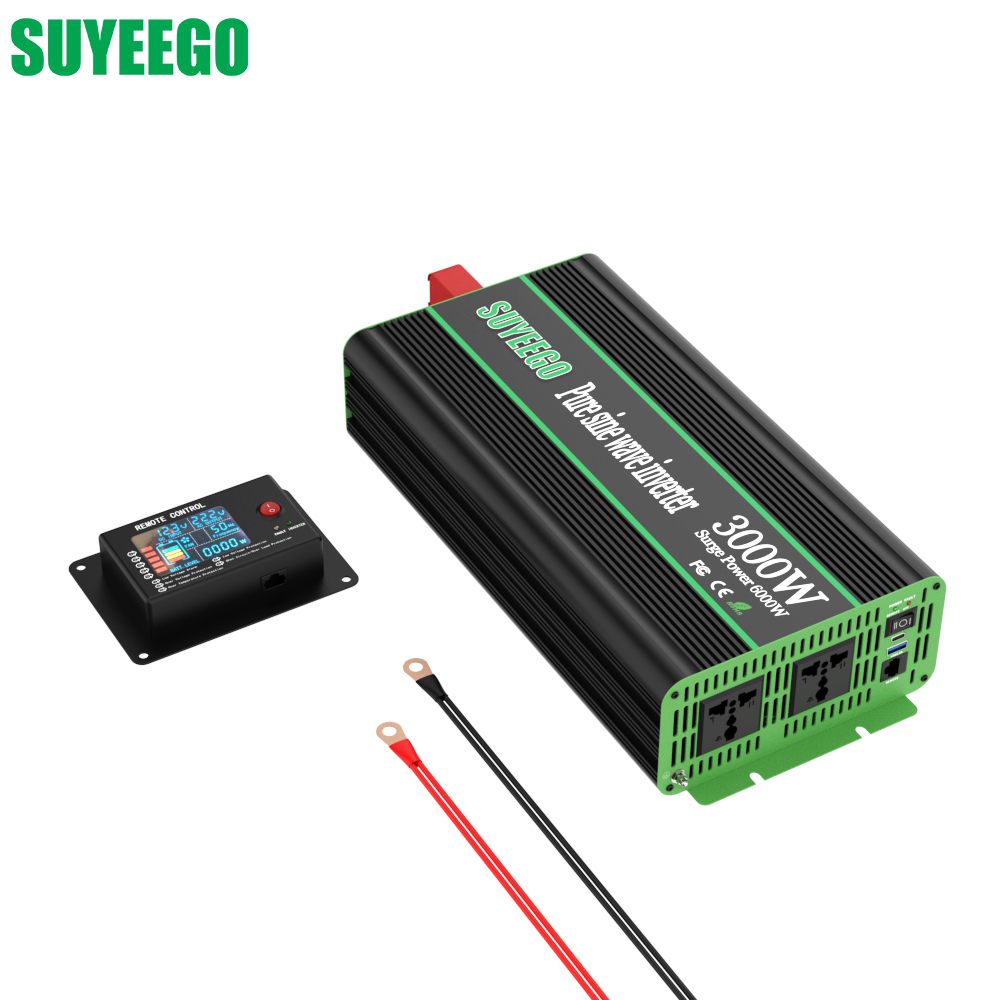
Our inverter range is published as 1000W to 3000W continuous with a peak at twice that, on a 12V or a 24V input. The solar controllers are a separate range, and the panels a third. Each is specified on its own page here rather than bundled into one figure.
Frequently asked questions
- Can the panels feed the controller and the inverter at the same time?
- The panels go to the controller, and the controller charges the battery. The inverter is wired to the battery. There is no point in the published wiring where an array feeds an inverter directly.
- Will the inverter work if the battery is small and the panels are large?
- It will start, but the panels only matter through the battery. A surge from a motor is drawn from the battery in an instant, and an array cannot supply that instant unless the battery is there to absorb and deliver it.
- Why does my inverter show a low-voltage alarm on a sunny day?
- The alarm is about the DC level at the inverter terminals, not about the light. Check the battery state of charge, the cable and the connections before blaming the array.
- Is there an all-in-one unit that takes panels and makes AC?
- Not in our published range. Our inverters publish a battery input, and the solar side is a separate controller. If you are looking at a combined unit from elsewhere, ask its supplier the same question: what DC input does it declare?