Is an RV solar system worth it?
8 min read

An RV solar system is worth it when you would otherwise be paying for hookups, burning fuel in a generator, or idling the engine to charge, and when you spend enough nights off grid for those costs to add up. It is harder to justify for occasional weekends on powered pitches, or for a vehicle whose loads are dominated by air conditioning. The decision can be tested before you buy by measuring real daily consumption for two weeks and comparing it with what you already spend on power.
What you are actually comparing it against
Solar is never competing with nothing. It is competing with whichever of these you would otherwise do, and each of them has a cost that is easy to leave out because it arrives in small amounts.
- Paying for a powered pitch: a nightly fee, paid every night, for as long as you travel
- Running a generator: fuel per hour, plus noise, servicing, and the fact that you have to carry it and store fuel
- Idling the engine to charge: fuel per hour at low efficiency, plus wear on an engine that was not designed to run stationary
- Doing without: shorter showers, no fridge in hot weather, lights out early, and a trip shaped around finding power
The two numbers that decide it
Almost the whole decision comes down to two figures, and both are yours rather than ours.
- How many nights a year you spend away from a powered pitch
- What one of those nights currently costs you, in pitch fees or in fuel
Multiply them and you have the annual cost of the alternative. Set that against the system you are considering, and you have the shape of the answer without anyone quoting a payback period at you. The reason we do not publish one is that a payback period is a property of your travel, not of a panel.
When it clearly pays
- You travel full time or for long seasons, so the nightly alternative is paid hundreds of times a year
- You are replacing a generator, and the value includes the silence as well as the fuel
- You are usually in decent sun, so the array you can fit on the roof covers your daily use
- Your work depends on power being there: a laptop, a router, a camera battery charger
When it does not
- You take a few weekend trips a year and stay on powered pitches, where the fee is small and the array would sit idle
- Air conditioning dominates your load, because cooling can exceed what a van roof can carry
- You travel through a northern winter, where a flat-mounted array may produce a fraction of its summer output
- You already have a large alternator and drive most days, so the battery is refilled without solar
Where the money goes first: battery or array
These two buy different things, and confusing them is the usual reason a new system disappoints.
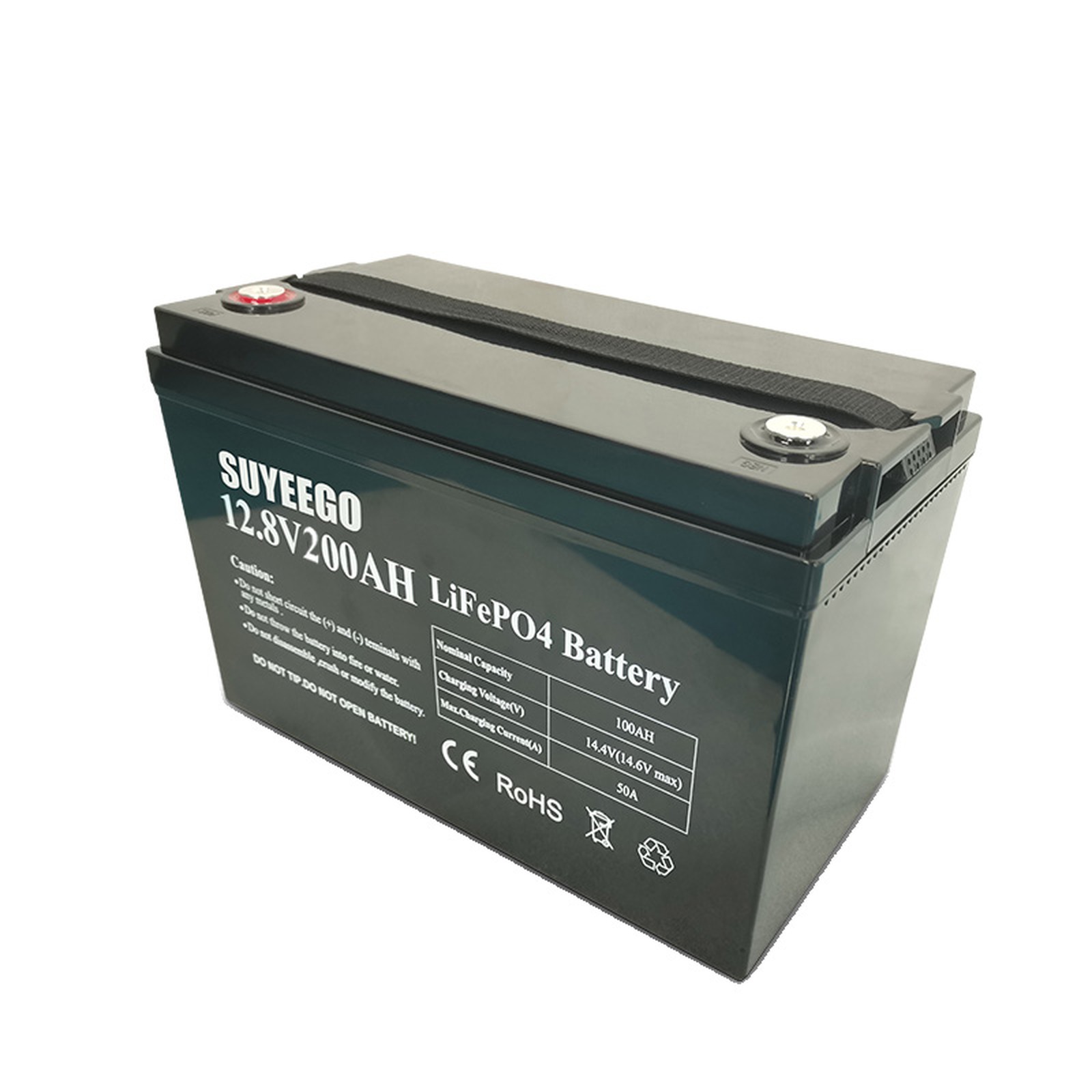
- Battery capacity buys days of autonomy: the ability to sit through cloud without changing how you live
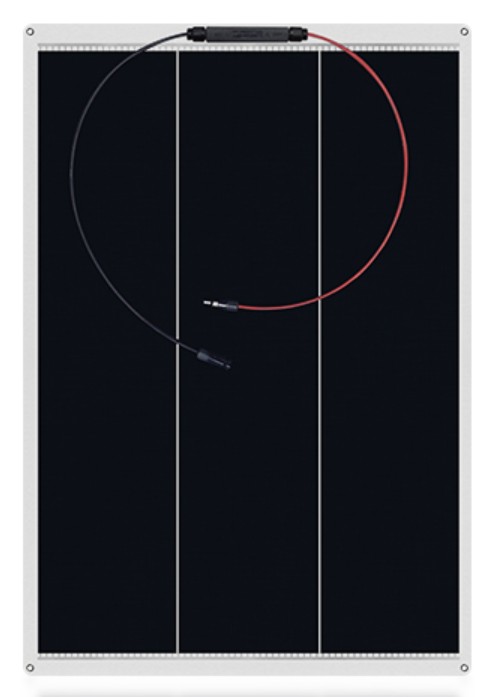
- Array watts buy recovery speed: how quickly the battery is back to full once the sun returns
- A large array on a small battery reaches full charge early and then has nowhere to put the rest
- A large battery on a small array recovers slowly, and spends more of its life partly charged
If your complaint would be running out at night, the battery is the constraint. If your complaint would be taking days to recover after bad weather, it is the array.
How to test the decision in two weeks
Before buying anything, fit a shunt-based battery monitor and log fourteen days of your normal use, including at least one day you would call a heavy day. That record tells you the daily watt-hours, which is the number every sizing decision depends on, and it also shows you the worst day, which is the one the system has to survive.
Expect the record to disagree with your estimate somewhere. A load nobody considered often turns out to matter, and the real daily figure is sometimes lower than the estimate, which would mean a smaller and cheaper system does the job.
Frequently asked questions
- How long does an RV solar system take to pay for itself?
- That depends entirely on what it replaces. Multiply the nights you spend off a powered pitch by what one of those nights costs you now, and compare the result with the system. We do not publish a payback period because it is a property of how you travel rather than of the equipment.
- Is solar worth it if I mostly stay on campsites?
- Usually not as a large fixed array. A small array or a portable panel that keeps the battery healthy between trips is a more proportionate buy when the pitch already supplies power.
- Do I still need solar if I have a DC-DC charger?
- They do different jobs. A DC-DC charger moves energy while the engine runs, which suits travel days; solar produces while you are parked, which suits staying put. A van that does both needs both, and neither one makes the other redundant.
- Is it worth adding solar to a van used a few weekends a year?
- A portable panel and a lead long enough to reach the sun is often the better answer than a bonded array, because it costs less, adds no roof penetrations, and can be left at home on the trips where it is not needed.