Can an RV inverter charge a laptop or a phone?
6 min read
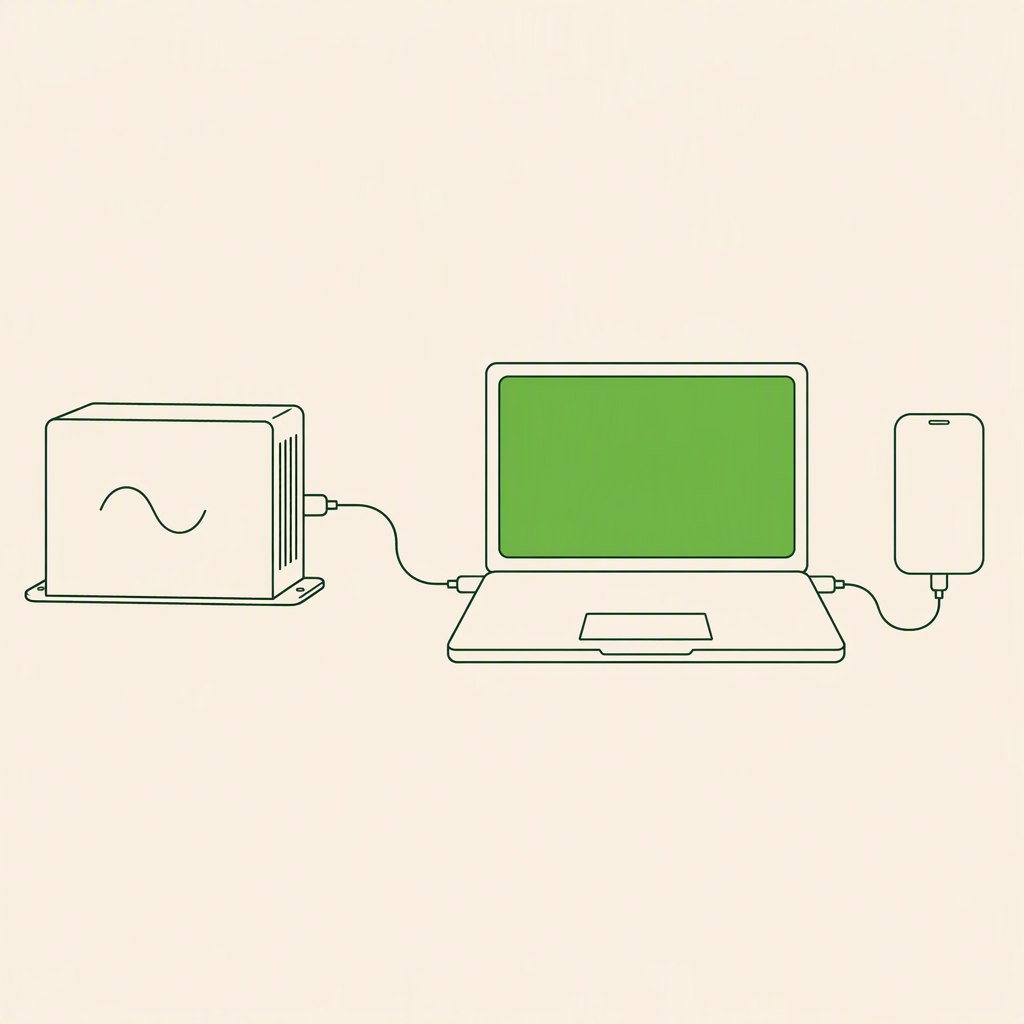
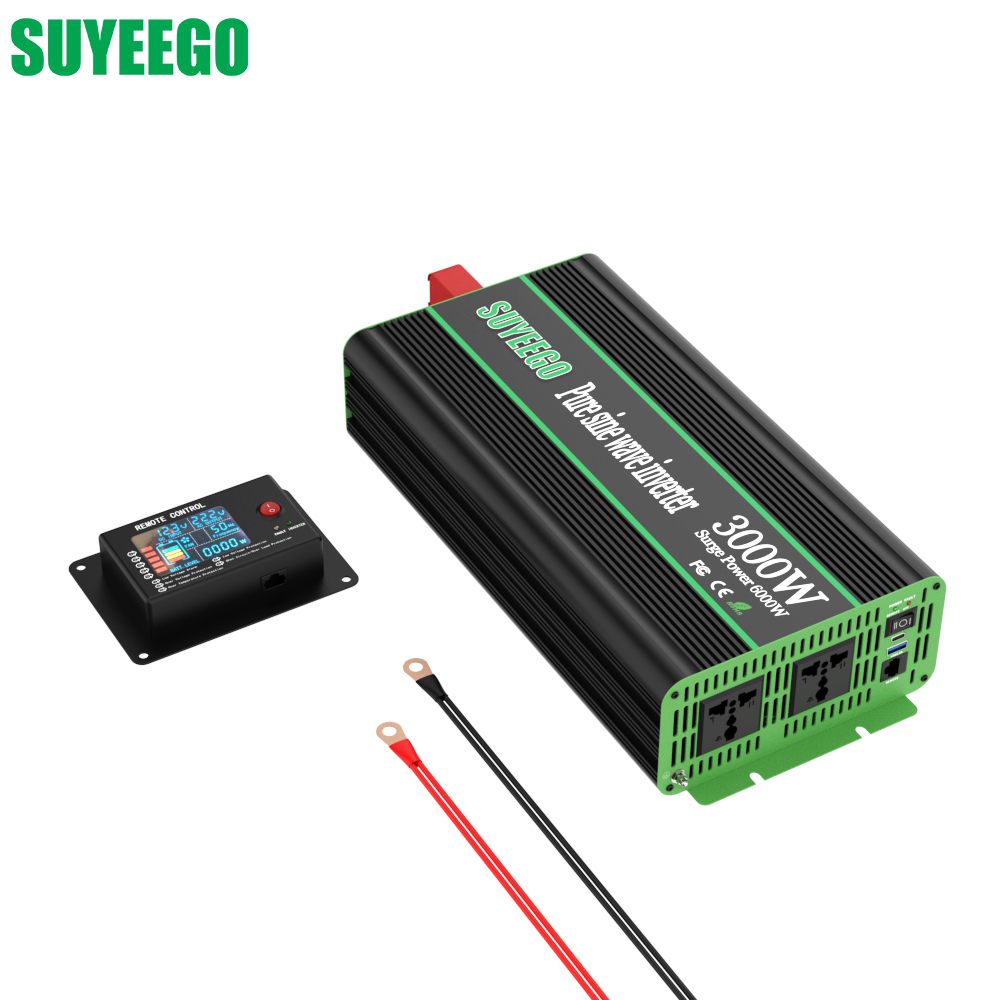
Yes, and there are two routes. Phones, tablets and other USB devices can use the USB and Type-C ports that our range publishes on the unit itself, which skips the AC stage entirely. Laptops charge from their own AC adapter plugged into the inverter's 110V or 220V output. Both work; the difference is where the losses sit, and small loads are where those losses are proportionally largest.
Two routes, and why the difference matters
- The USB and Type-C ports are DC to DC. There is no AC waveform involved, so nothing is converted up and back down again.
- The AC output suits a laptop's own power brick, which is what the manufacturer designed the laptop around.
- A 12V socket or a USB socket in the living area does the same job as the ports on the inverter, and closer to the device.
Where the overhead comes from
An inverter has to keep its own control electronics alive and its oscillator running whether the load is 2000W or 20W. Our range publishes efficiency above 95%, and the published figure describes a unit doing real work rather than idling. What is not published is a part-load curve, so we will not draw one here.
Leaving it on for a charger
An inverter left running so that a phone can stay topped up costs more than the phone needs, in the same way that a large engine idling to charge a small battery is not efficient. If the vehicle is unattended for days, the small loads are worth switching off along with the inverter rather than leaving the whole chain alive for a device measured in watts.
Our units publish an optional remote control and a remote controller with a display, which is usually the cheapest way to stop doing this: the switch is at hand instead of behind a panel.
If a charger misbehaves
Chargers are switched-mode supplies themselves, and a few of them are fussy about the shape of the AC wave they are fed. Our range is published as pure sine wave, which is the shape switch-mode supplies are designed for. If one particular brick refuses to work while everything else does, the brick is the first thing to substitute before the inverter is suspected.
Frequently asked questions
- Can I charge a laptop from the USB-C port on the inverter?
- Only if the laptop charges over USB-C and the port supplies what the laptop asks for. The safer route for a laptop is its own AC adapter on the inverter's AC output, which is what the laptop was designed around.
- Does a small load damage an inverter?
- No. A load below the rating is not a fault condition. The only cost is that the unit's own consumption is a larger share of what is drawn from the battery.
- Will my phone charger work on a pure sine inverter?
- It should. Pure sine is the waveform these chargers are designed for. A charger that hums or refuses to start is worth swapping for another before concluding anything about the inverter.
- Is it better to use a 12V USB socket than the inverter?
- For USB devices, yes: it is the shorter path and it leaves the inverter available for loads that need AC. Our range publishes USB and Type-C ports on the unit for the case where a 12V socket is not within reach.