Monocrystalline or polycrystalline for an RV solar system?
6 min read

For a van roof the difference that matters is how much power a given area produces, and monocrystalline cells have the advantage there. Polycrystalline panels are generally larger for the same output. On a vehicle the roof is the scarce resource, so area usually decides the question before price does. Our published panel data states the cell size, the dimensions and the electrical figures, but not the cell type.
The deciding constraint on a vehicle is area
In a fixed installation you can order more panels until the output is right. On a van the roof is a fixed, awkward, partly obstructed area, and every panel has to fit around roof lights, vents, aerials and the curve of the shell. When the roof runs out, the only way to get more power from it is to use cells that produce more per square metre.
That is the practical difference between the two cell types. Monocrystalline cells convert more of the light falling on a given area; polycrystalline cells need more area for the same wattage. Everything else about the comparison is secondary to that one fact in a van.
Where polycrystalline still makes sense
Polycrystalline panels remain available and are usually cheaper per watt. If the roof is large, the mounting is simple and the budget is the binding constraint, the extra area costs nothing but space you were not using. That is a legitimate case, and it is the case in which the cheaper option is also the sensible one.
It stops making sense when the roof is tight, when the panel has to follow a curve, or when the extra size changes the mounting. At that point the saving on the panel is being spent on brackets, sealant and swearing.
What actually decides a van installation
- Available roof area, after vents, lights and walkable zones are taken out.
- Whether the panel has to follow a curved shell, which points to a flexible panel rather than a framed one.
- The mounting method and what it has to survive at road speed.
- The cable route from the roof to the controller.
- The electrical window the controller needs, which governs how panels are combined.
Notice that cell type appears low on that list. It matters, but it is chosen by the answer to the first two items rather than deciding them.
What our product data publishes
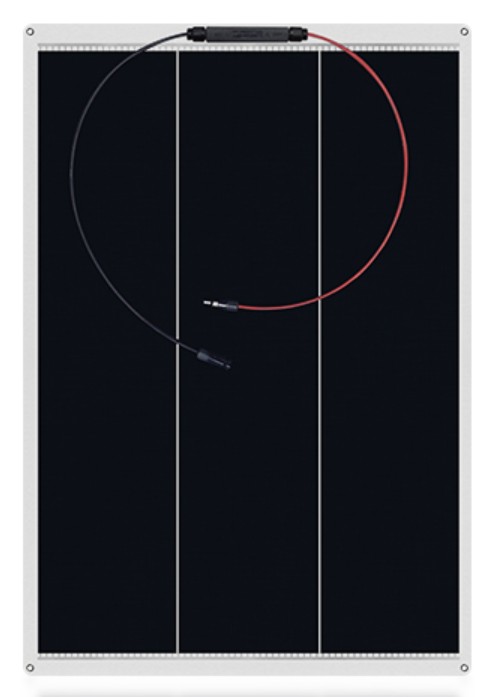
The flexible panel range publishes a cell size of 210 mm by 210 mm, a type of flexible, models from 50W to 230W, the full electrical table including Vmp, Imp, Voc and Isc for each model, the dimensions for each model, and a 2-year warranty. The construction is given as an ETFE front surface over a high-waterproof TPT back, with bypass diodes for shadow tolerance.
What we do not publish
We do not publish a cell-type comparison, an efficiency percentage for the panel, or a watts-per-square-metre table. The dimensions and the rated power in the published table let you work out the ratio for each model yourself, and that is more trustworthy than a marketing figure because you can see both inputs.
Frequently asked questions
- Are monocrystalline panels always the better choice on a van?
- They are the better choice when roof area is the limit, which it usually is. Where the roof is generous and the budget is tight, a larger polycrystalline panel can be the more sensible purchase.
- Does cell type change what controller I need?
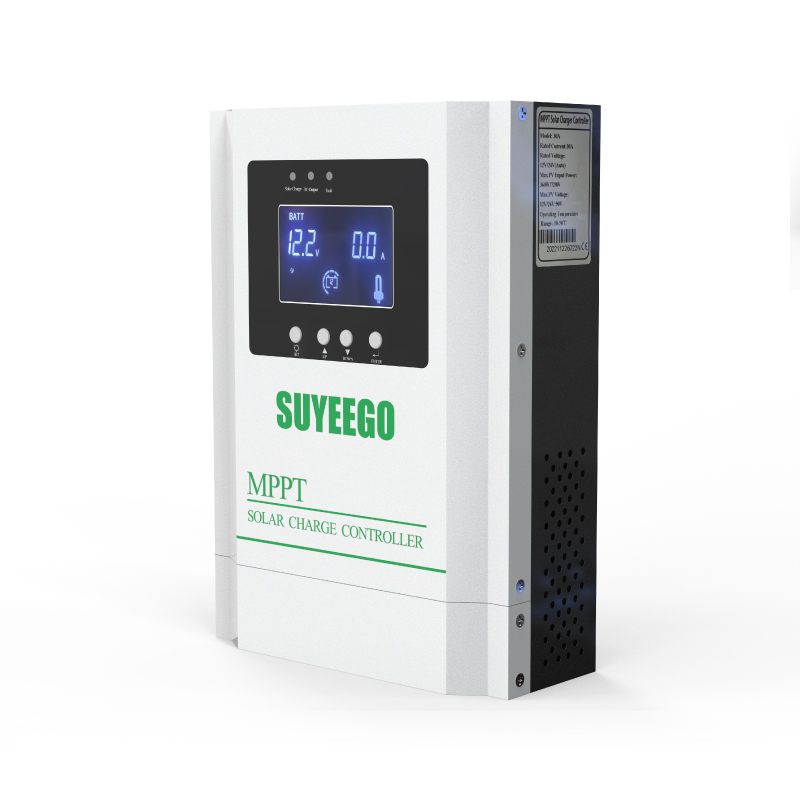
- Not directly. The controller is chosen from the array's voltage and current, which come from the panel's published electrical figures rather than from how the cells were made.
- Why does your panel data give cell size instead of cell type?
- Because cell size is part of the mechanical build that determines the panel's dimensions and how it handles a curved roof surface. Cell type is not published on our data, and we state that rather than guessing it.
- Do polycrystalline panels perform worse in hot weather?
- Both types lose output as cell temperature rises, and the published panel data does not include a temperature coefficient for either. We do not publish a comparison, so we will not rank them on heat.