Can you mix different panels in one RV solar system?
8 min read
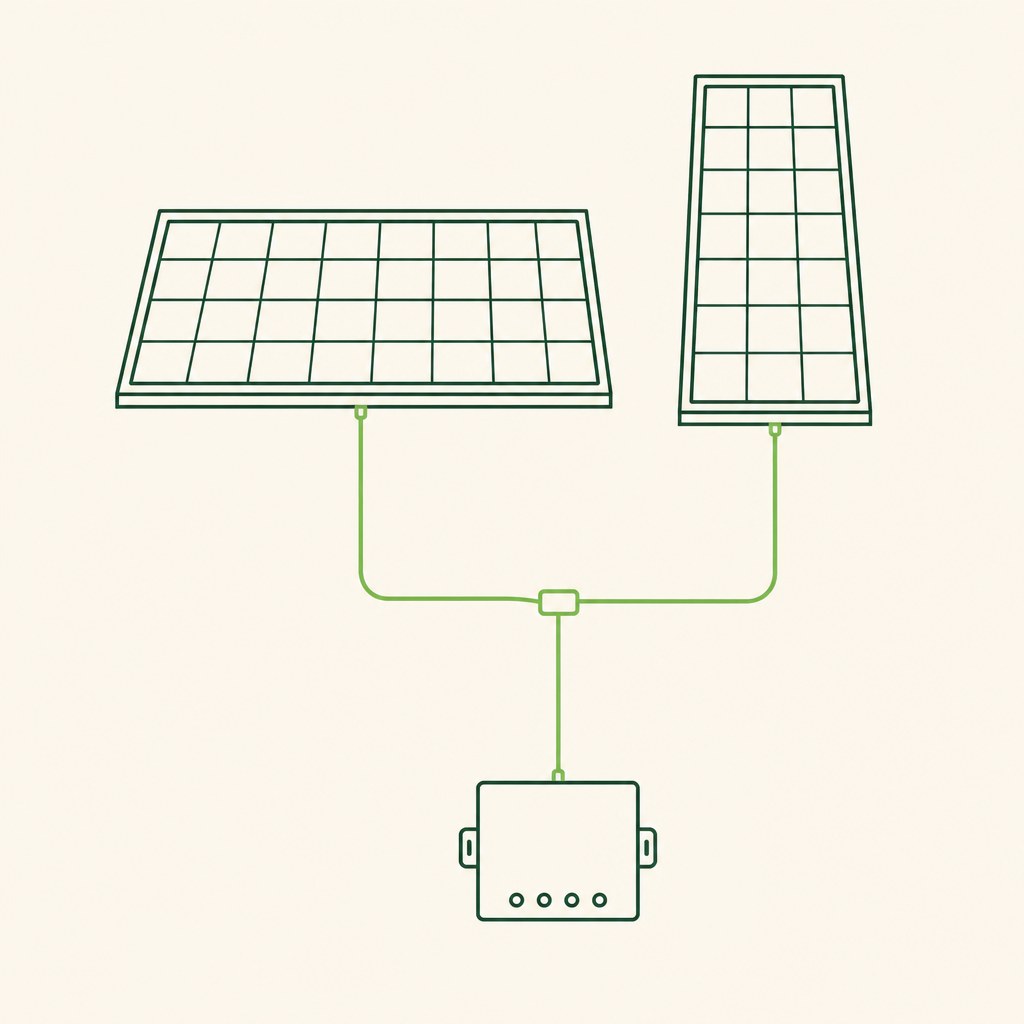
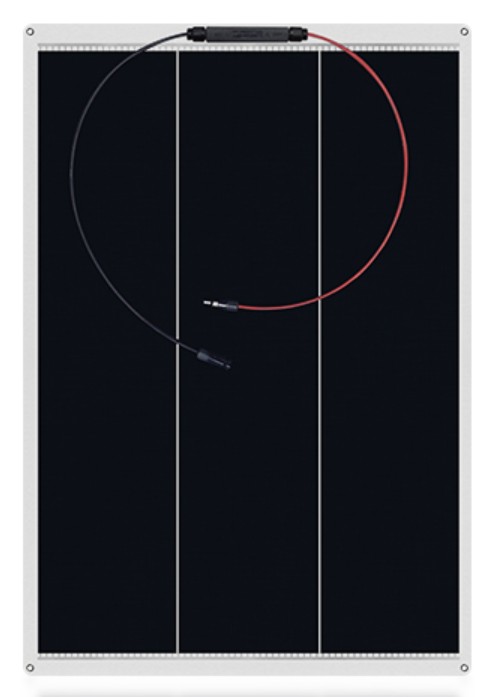
You can, but the wiring decides whether it works. In parallel the currents add, so panels of different sizes mostly coexist. In series the current is set by the lowest panel in the string, so a small panel with a low current can hold the whole string down to its level - and on our range that difference is large: 2.8A on the 50W against 11.0A on the 200W.
Two different questions
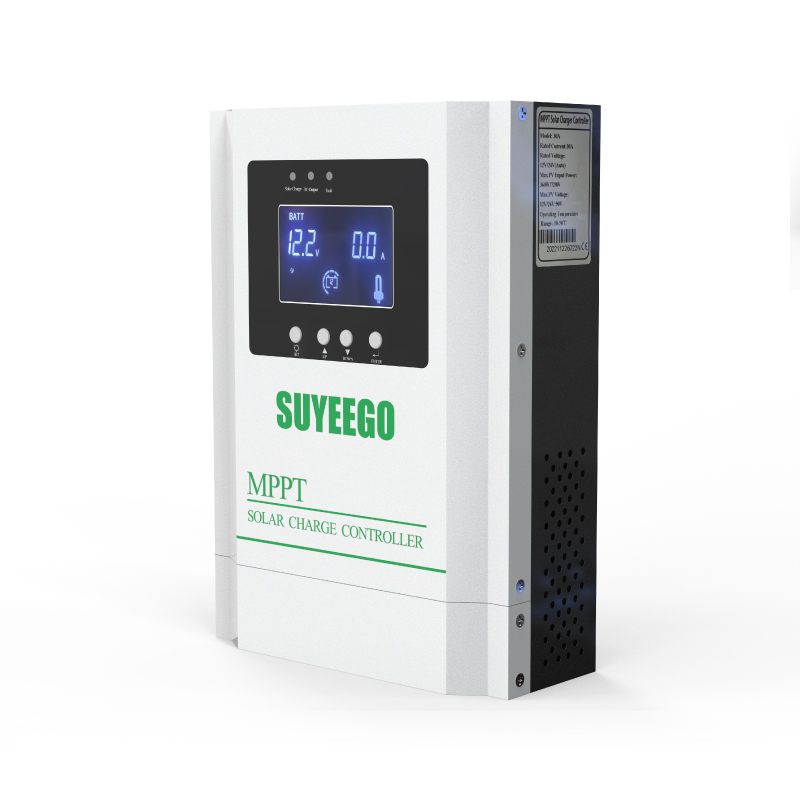
Adding a panel later and mixing panels on one array sound like the same question. They are not. Whether you have headroom for another panel is about the controller's published maximum PV power and voltage, the cable and fuse ratings, and the space on the roof. Whether two mismatched panels can share a string is about their electrical figures.
This page deals with the second. The headroom question belongs with the guide on adding panels or a battery later, because a mismatched pair can still be within every limit and still be a poor installation.
What our published figures look like
| Model | Vmp (V) | Imp (A) | Voc (V) |
|---|---|---|---|
| 50W | 18.14 | 2.8 | 22.3 |
| 100W | 18.14 | 5.5 | 22.3 |
| 130W | 17.5 | 7.4 | 21.5 |
| 150W | 18.14 | 8.3 | 22.3 |
| 170W | 20.5 | 8.3 | 25.2 |
| 200W | 18.14 | 11.0 | 22.3 |
| 230W | 21 | 11.0 | 25.8 |
Note what varies. The operating voltage sits between 17.5V and 21V, but the current runs from 2.8A to 11.0A, nearly a factor of four. That asymmetry is what makes series mixing riskier than parallel mixing.
The same pair, wired two ways
Take a 50W and a 200W panel from the table. Both publish a Vmp of 18.14V. Wired in parallel, the voltages agree and the currents add: 2.8A plus 11.0A, or 13.8A at 18.14V, which is about 250W - the two panels' rated total.
Wired in series, the current through both is set by the lower one. The string runs at 2.8A, and the voltages add to 36.28V. That is about 102W from a pair rated at 250W. The 200W panel is still working perfectly; it is simply being held to a quarter of the current it could pass.
What that means in practice
- Mixing sizes in parallel is usually the forgiving arrangement, because the voltages are close and the currents simply add.
- Mixing in series is safe only when the currents are close. On our range that means grouping models with similar Imp, not similar wattage.
- Two strings of different sizes can feed one controller, provided each string's voltage suits the controller's input window.
- A controller with a published maximum PV voltage is the limiting item for series strings; check the string's open-circuit voltage against it.
What we do not publish
We do not publish a mismatch-loss table, nor a rule for how far apart two panels may be before mixing them stops being worthwhile. The figures above let you compare two specific models; they do not turn into a general rule with a tolerance attached.
Frequently asked questions
- Can I add one more panel of a different size to an existing array?
- Usually yes, and parallel is the more forgiving way to do it. Check the currents: if the new panel's Imp is far below the existing string's, putting it in series will drag the whole string down to its level.
- Is it better to match the wattage or the current?
- For a series string, match the current. Wattage alone tells you very little about what happens in series, because two panels of the same wattage can have different currents and voltages.
- Does a mismatch damage anything?
- It wastes output rather than damaging the panels. The exception to watch is the shaded case, where an underperforming cell in a string can become a hot spot rather than simply a loss.
- Can two different strings go into one controller?
- That depends on the controller's published input window and maximum PV voltage. Two parallel strings of different sizes are common; two series strings of different voltages need checking against the same limit.