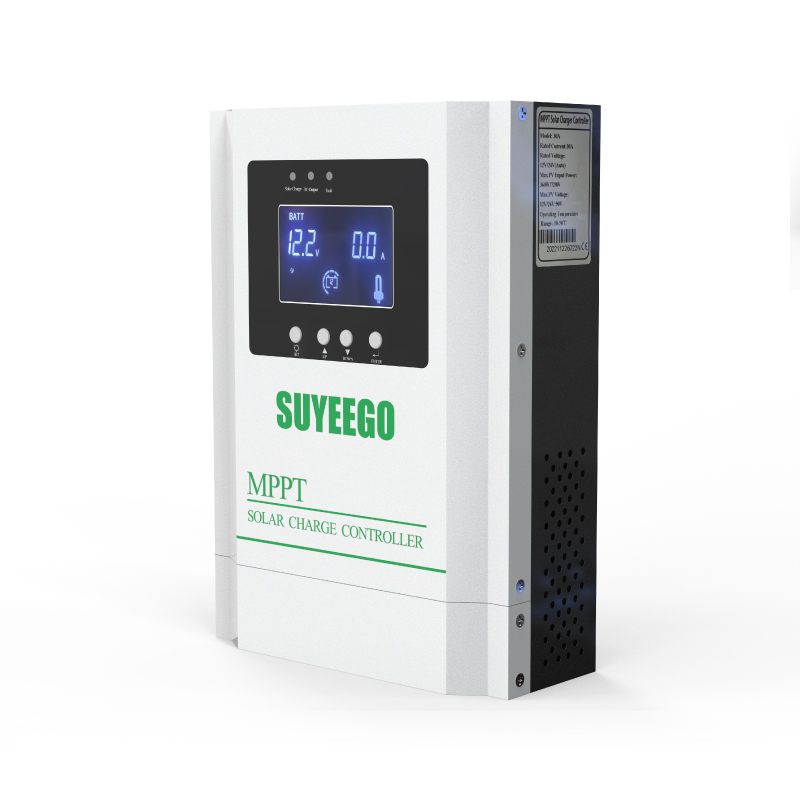
Does an RV MPPT solar charge controller equalise a lead-acid battery?
6 min read
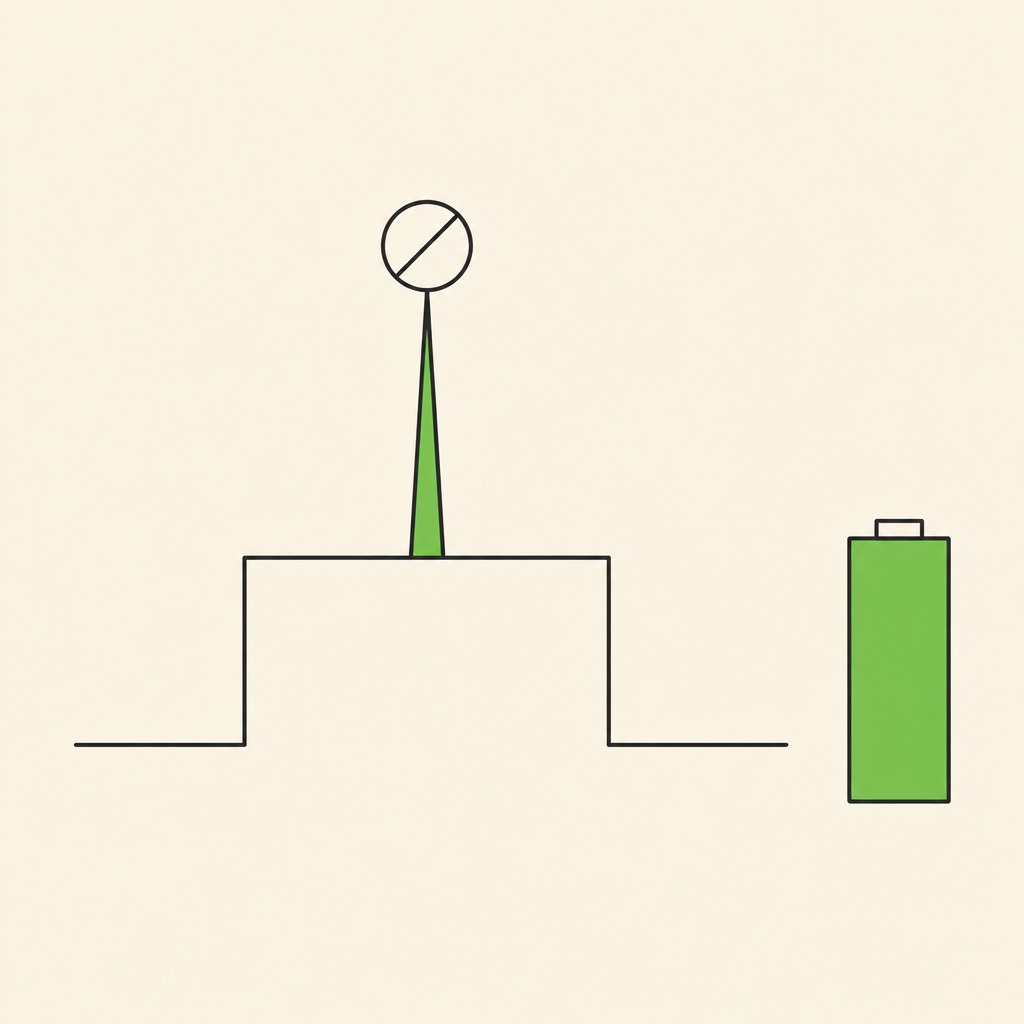
Not as a published stage. Our MPPT range publishes three charging stages — fast, absorption and float — and equalisation is not one of them. So if your battery's maintenance schedule calls for an equalise charge, do not assume the controller will perform one: that has to be confirmed with us for the model you are considering, or done with a charger that publishes the function.
What the range publishes
The published charging behaviour of our MPPT range is a three-stage sequence, named in the specification as fast, absorption and float charging. The battery types it can be told to charge are published alongside it as lead-acid, gel, lithium and custom.
| Published stage | What it does | Where the voltage comes from |
|---|---|---|
| Fast | Returns the bulk of the charge to a discharged bank | The profile selected for the battery type |
| Absorption | Holds a higher voltage while the current tapers | The same profile |
| Float | Maintains the bank once it is full | The same profile |
Where equalisation belongs in battery maintenance
Equalisation is a deliberate, controlled overcharge used in flooded lead-acid maintenance. Its purposes are general: to stir the electrolyte so the acid is evenly mixed rather than stratified, and to bring lagging cells back in line with the rest of the string. It is a maintenance routine rather than a normal charging stage, and it is not applied to every chemistry — sealed and gel batteries, and lithium banks, are not equalised in ordinary practice.
- It is the battery maker's maintenance schedule that decides whether it is needed, not the controller.
- The voltage and duration required are specific to the battery, and they come from its own datasheet.
- Because it is an overcharge, doing it to a battery that does not call for it is a way to shorten a battery's life rather than extend it.
What to do if your battery needs it
- Tell us the battery and the schedule it calls for, and we will confirm what the MPPT model you are considering publishes — rather than have you find out after the bank is installed.
- If it turns out to be outside what the range publishes, the usual arrangement is a separate charger that offers the function, kept for periodic maintenance.
- Do not reach for the custom profile to force a higher voltage as a substitute. The custom profile is published as a battery type selection so you can enter your maker's absorption and float figures; holding a bank above its rated voltage deliberately is not the same thing as a published equalise stage.
Why we answer this without a number
We could not give you an equalise voltage and duration for a battery we have not seen, because they depend on the battery's own specification and on whether it is genuinely a flooded cell that wants the treatment. What we can tell you is exactly what the controller publishes, so the gap in the comparison chart is a known gap rather than an assumption. If equalisation is a requirement of your maintenance plan, say so before you order.
Frequently asked questions
- Does your MPPT controller have an equalisation mode?
- We do not publish an equalisation stage for this range. The published charging stages are fast, absorption and float, and the published battery types are lead-acid, gel, lithium and custom. If your maintenance schedule requires equalisation, confirm it with us for the model you are considering.
- Can I use the custom battery profile to equalise my battery?
- The custom profile is published as a battery type selection, so you can enter the absorption and float figures from your battery's datasheet. Deliberately holding a bank above its rated voltage is a different exercise, and it is not published as a feature of this range.
- Is equalisation necessary for a lithium or gel battery?
- In ordinary practice, no. Equalisation is a flooded lead-acid maintenance routine, used to mix stratified electrolyte and balance cells. Sealed, gel and lithium batteries are not equalised in normal use, and applying an equalise charge to one that does not call for it risks the battery rather than maintaining it.
- What charging stages does the range actually publish?
- Three: fast, absorption and float. Those are the stages named in the specification, and they are the sequence the controller applies to the battery type you select.