Can the van body itself generate solar power?
6 min read
In principle yes, and the area is certainly there: a van has far more body surface than roof. What the approach has not solved is the yield. A carmaker's solar test vehicle reported collecting about 0.5 kWh over a two-hour, 80 kilometre trip, worth up to three kilometres of range, which shows how little a body-mounted array produces while driving. A camper is a more favourable case, because it stands parked for long periods, and a parked van always has one side facing the sun. It is not a substitute for a roof array; it is a way of harvesting a little from surfaces that would otherwise do nothing.
The area argument

A camper's roof, once vents, skylights, aerials and walkways have taken their share, often carries two or three panels. The body sides present a much larger uninterrupted surface. That is the whole attraction of vehicle-integrated photovoltaics, and it is why the concept keeps being revisited: the roof is full, and there is a lot of van left.
Why the yield disappoints while driving
Driving is the worst case for a body-mounted array. Only the surfaces facing the sun contribute, so a sideways-facing panel is at a steep angle to the light for most of the day; the curvature of a van side spreads what does arrive across cells that cannot all be at the ideal angle; and whatever the panels make is small next to what the engine, or an electric drivetrain, is using. The published test result — about half a kilowatt hour across an 80 kilometre trip — is a useful reality check on the scale of the harvest.
Why parked use is different
A parked van is a better host for body-mounted panels, because the van can be parked with the best side to the sun, and the array then works for hours rather than minutes. The output is still lower than a roof array in the middle of the day, since a vertical surface sees less of the sun, but it produces earlier and later than a flat panel does. The approach is being developed seriously for commercial vehicles, where refrigerated trailers and truck bodies have large surfaces and a load that runs whether the vehicle is moving or not.
If you wanted to try it
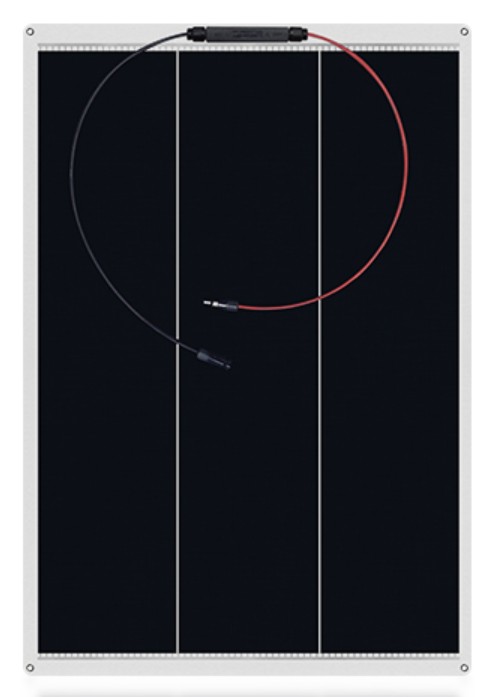
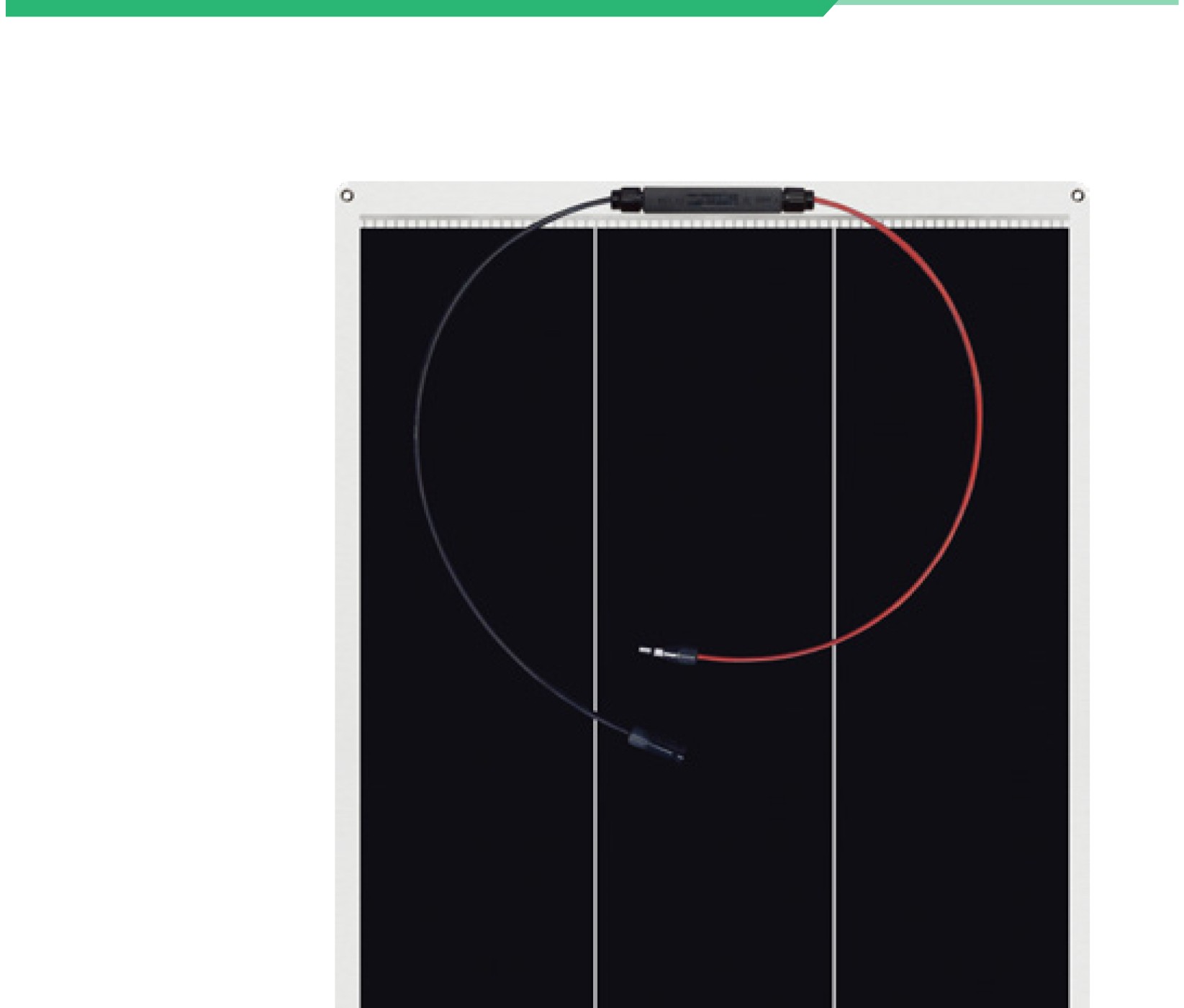
- Flexible panels bonded to a smooth side surface are the practical route; expect them to produce less than the same wattage on the roof, because of the angle and because they are usually built on older cells.
- The cable route and the entry into the van are the hard parts, and they have to cope with flexing and with rain running down the side.
- Windows, vents, access doors and any surface you need to clean must stay clear.
- A side array will not keep up with the roof array, so treat it as a supplement and size the rest of the system as if it were not there.
The figures the range publishes
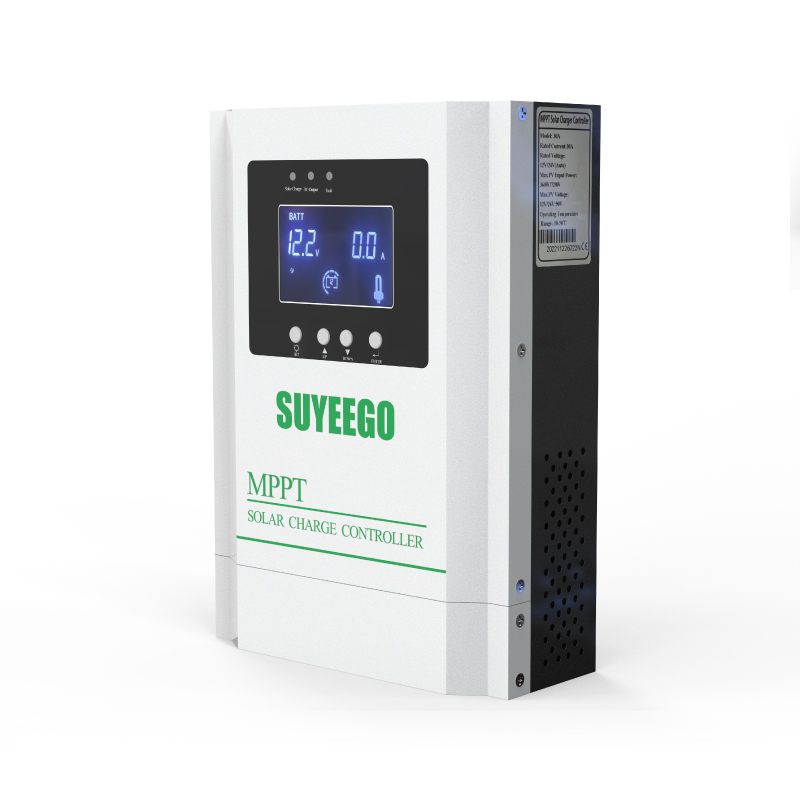
SUYEEGO's flexible panel range (SYGSP-F) spans 50W to 230W with open-circuit voltages from 21.5V to 25.8V, and the lightweight construction is what makes a body-mounted installation thinkable at all. The MPPT controller range takes up to 80V or 130V of PV open-circuit voltage depending on the model and up to 1200W of panel on a 12V bank, so adding a side array does not require a second controller — but it does have to be planned before the panels are bought, because the maximum PV voltage applies to the whole array.
Frequently asked questions
- Could body panels make a van self-sufficient?
- No. A body-mounted array within the van's own footprint produces a fraction of what the same money spent on roof panels would, and the roof is where the sun is. It is a top-up, not a source.
- Can I simply stick flexible panels to the sides?
- You can, and they will produce when that side faces the sun, but the output is limited by the angle and by how much of the panel is in the sun at once. The mounting, the cable entry and keeping the surface clean are the parts that decide whether it is worth doing.
- Is anyone doing this on trailers?
- Yes. Refrigerated trailers and truck bodies are being developed with integrated solar, where the surface area is large and the load is a refrigeration unit. That is a better fit than a camper, because the trailer does not have a roof array competing for the same space.