Does an RV inverter output 110V or 220V?
6 min read
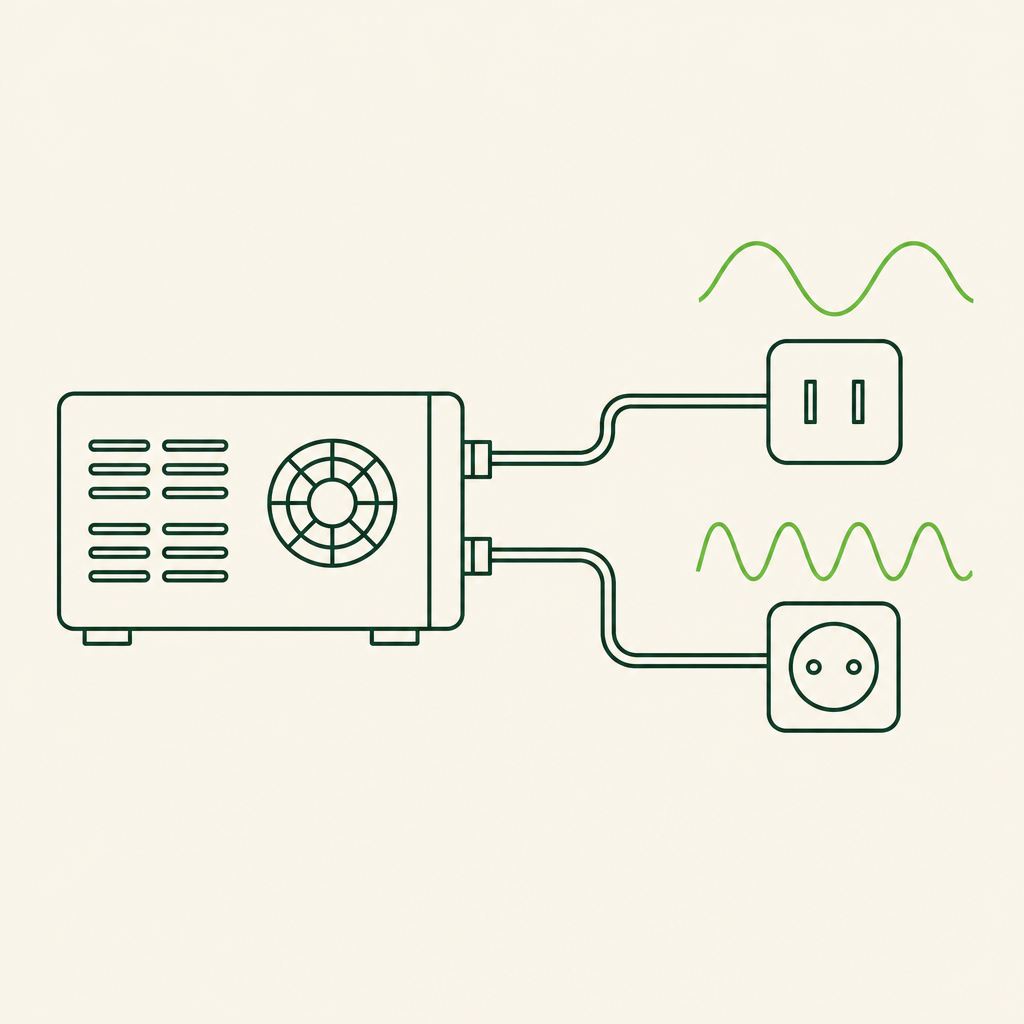
It is one or the other, decided when the unit is built. An inverter is made for a single output voltage and a single frequency, 110V or 220V and 50Hz or 60Hz, and it cannot be switched between them afterwards. Our SYGG-FSC range is offered with 110V or 220V output and with 50Hz or 60Hz, so the specification has to be settled before you order rather than after the unit arrives. The rule for choosing is simple: it must match the appliances you intend to run, because the appliances will not adapt.
Why the choice is made at the factory
The output voltage is set by the conversion stage and the control electronics inside the unit, and the frequency is set by the oscillator that drives them. Neither is a setting a user changes on a finished inverter. A 110V unit asked to produce 220V is not running a different mode, it is being asked to do something it was not built for, and the same is true of frequency. That is why this is an order-time decision and not something to leave until the van is wired.
Voltage: what the appliances expect
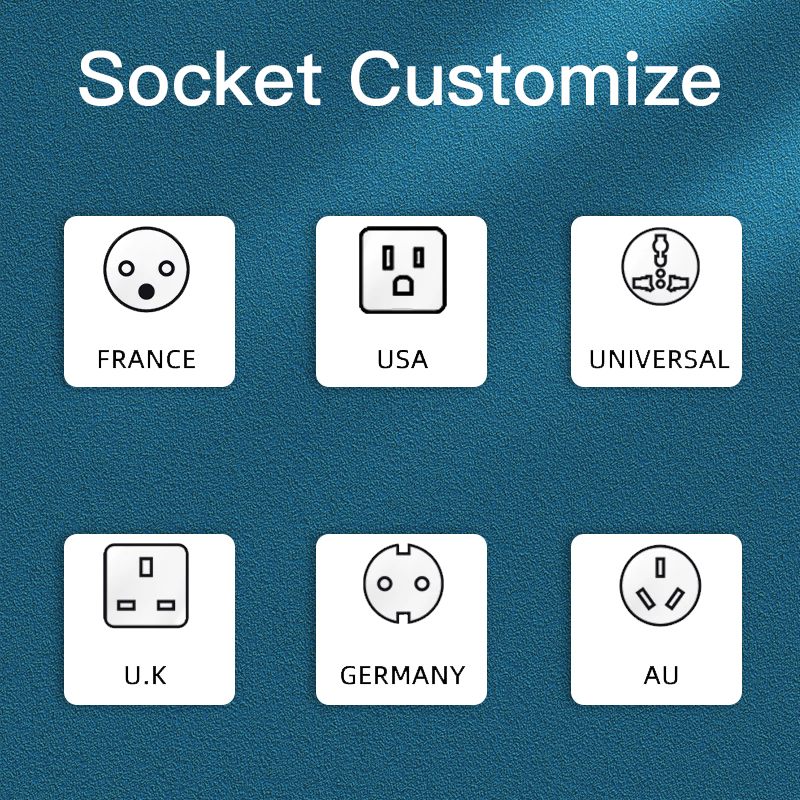
Appliances are built for a nominal voltage with a tolerance around it, and a mismatch is not a small efficiency loss. A 110V appliance on a 220V supply is a fault waiting to happen; a 220V appliance on 110V will usually refuse to start or will draw more current than it should. Settle this first, because it decides whether your sockets, plugs and any fixed wiring match the inverter you buy.
Frequency: the part people forget
Fifty or sixty hertz is not interchangeable for everything. An induction motor runs at a speed proportional to the supply frequency, so the same appliance turns faster on 60Hz than on 50Hz, and anything that counts mains cycles to keep time, such as an older clock or an appliance with a mechanical timer, will drift if the frequency is wrong. Most modern electronics use switched-mode supplies that accept either, and many appliances print both voltages on their label, which is why the frequency question passes unnoticed until something behaves oddly.
Read the labels before you order
Write down the voltage and frequency on every appliance you plan to run, starting with the ones that do not match the majority. One appliance brought back from another continent is the usual reason a van ends up with an inverter that suits the imports and not the rest of the installation, or the other way round.
| Where the appliance comes from | Voltage it expects | Frequency it expects |
|---|---|---|
| North America | 110V to 120V | 60Hz |
| Europe, most of Asia, Africa, Australia | 220V to 240V | 50Hz |
| Dual-rated electronics | often 100V to 240V | 50 or 60Hz |
The DC side is a separate decision
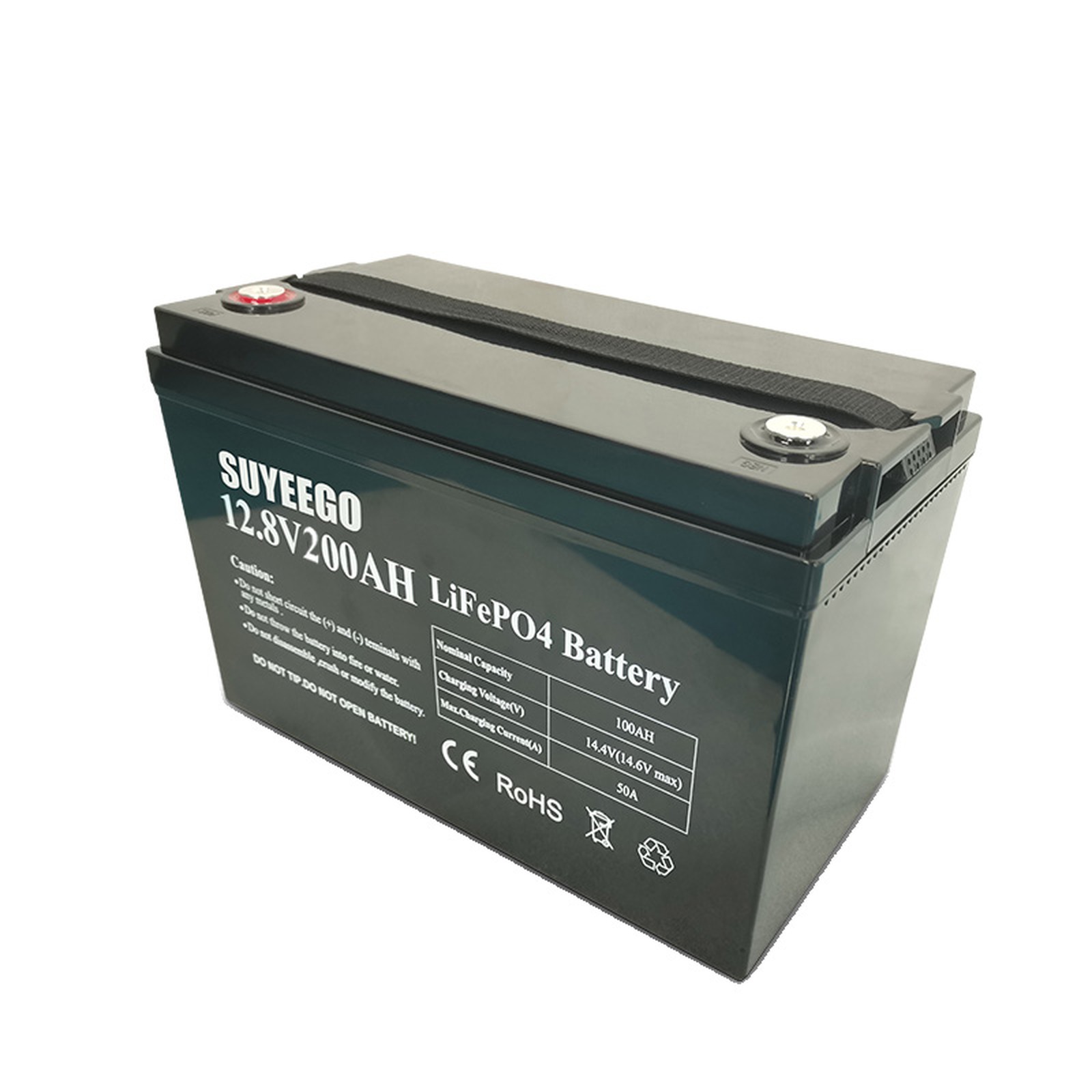
The input has its own choice, 12V or 24V, and it must match the battery bank rather than the appliances. A 24V bank feeding a 12V inverter will not work at all, and the two are not interchangeable. Our range is published with DC12V or DC24V input together with 110V or 220V AC output, which means both ends of the unit are specified when you order it.
What the range publishes
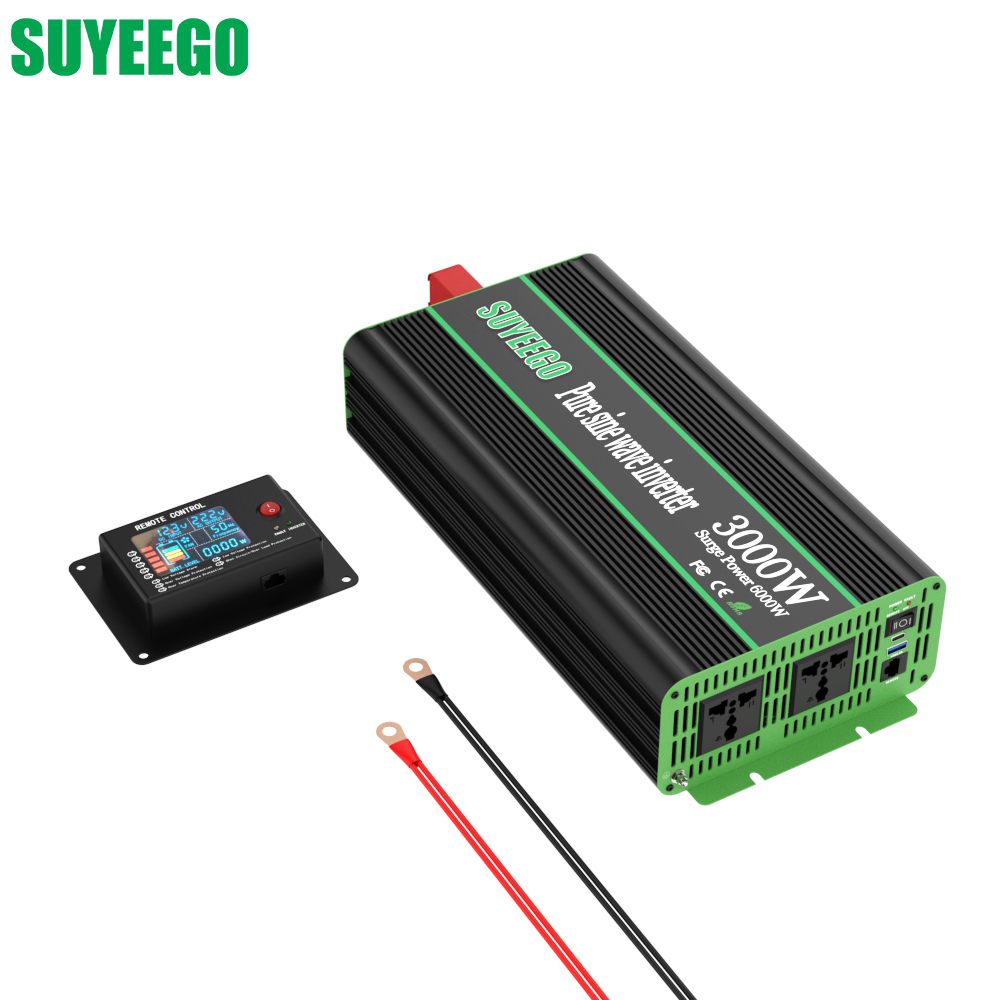
Across the SYGG-FSC range: 1kW to 3kW continuous with peak at twice the continuous figure, DC12V or DC24V input, 110V or 220V AC output, 50Hz or 60Hz optional, pure sine wave output, over 95% efficiency, a low-voltage alarm at 10.5V and cut-off at 10V on a 12V bank, a remote controller display with optional remote control, USB and Type-C ports, a built-in cooling fan, protection against overload, short circuit, overheat and reverse connection, and CE, FCC and RoHS certification.
Frequently asked questions
- Can a 220V inverter run 110V appliances?
- Not directly. The output voltage is fixed when the unit is built and the appliance expects its own voltage. If you genuinely need both, the second voltage has to come from a step-down transformer or a separate inverter, not from a setting.
- Does 50Hz versus 60Hz matter for a laptop?
- Usually not. Laptops and most chargers use switched-mode supplies that accept either frequency and often both voltages within their stated input range. Frequency matters more for motors and for anything that counts cycles to keep time.
- Will a 12V inverter work on a 24V battery?
- No. The DC input is part of the specification: our range is published with DC12V or DC24V input, and the unit must be ordered for the bank you have. Connecting the wrong one is a fault, not a degraded mode.
- Which voltage should I order?
- The one your appliances are built for, and if the vehicle is being exported or imported, the one used where it will be used. Our range offers 110V or 220V output with 50Hz or 60Hz, so tell us the market when you order.