How much surge power does an RV inverter need to start a motor?
6 min read
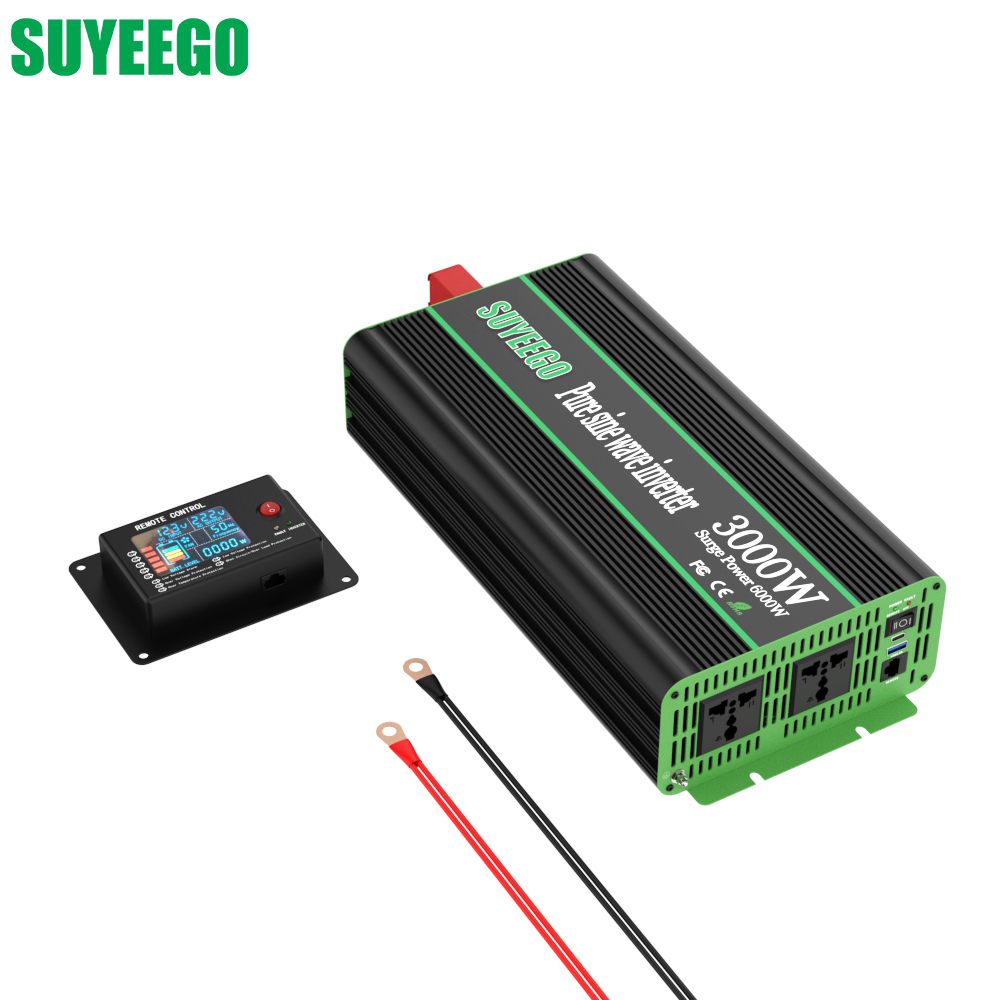
An RV inverter carries two ratings rather than one: a continuous figure for loads that run, and a peak figure for the instant a motor or compressor starts. Our range is published as a pair for every model, from 1000W continuous with 2000W peak up to 3000W continuous with 6000W peak, so the peak is exactly twice the continuous figure throughout. Whether a particular appliance starts comes down to its own start-up current, which is several times its running current and is the number to look for on its nameplate.
Why an appliance asks for more than its label says
A rating plate gives the power an appliance uses once it is running. A motor also has a start-up current: the figure for the instant when the rotor is still and the load is already against it. The gap between the two is what the peak rating exists to cover, because current rushes in for a fraction of a second before the motor comes up to speed and settles to its running figure.
The pair of numbers on the spec sheet
The SYGG-FSC range is published as a continuous and a peak figure for each model, and the peak is twice the continuous rating across all five sizes:
| Model | Continuous output | Peak output |
|---|---|---|
| 1000W | 1000W | 2000W |
| 1500W | 1500W | 3000W |
| 2000W | 2000W | 4000W |
| 2500W | 2500W | 5000W |
| 3000W | 3000W | 6000W |
What actually surges
- Compressor-driven appliances are the common case: fridges, freezers and air conditioners, where the compressor starts against standing pressure.
- Pumps and other induction motors, where the motor begins its work already loaded rather than spinning freely.
- Appliances with a transformer, such as a microwave oven, which draw a brief inrush as the core saturates.
- Appliances built with an inverter-driven compressor and electronic soft start are gentler on the inverter than the same appliance with a fixed-speed compressor.
Checking a load against the pair
- Find the appliance's own start-up or locked-rotor figure where it publishes one, and compare that with the peak rating of the model you are considering.
- Where the appliance only publishes running watts, treat that as the floor rather than the answer, and leave headroom above it in the peak figure.
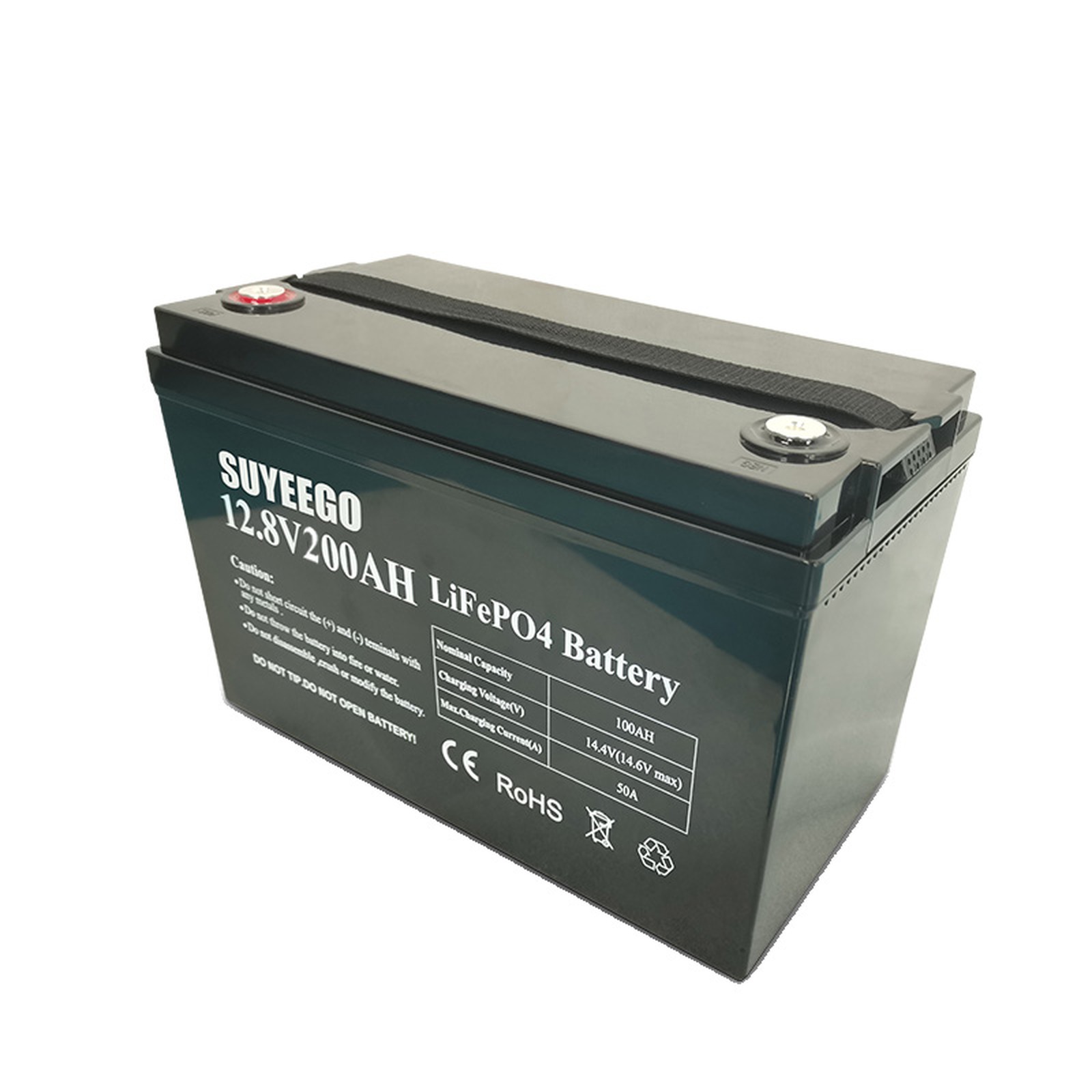
- Check the DC side at the same time. The surge comes out of the battery, so the bank's continuous discharge rating and the cable have to carry the peak current, not the running current.
- If the unit trips on start-up while the battery and its connections are healthy, the honest conclusion is that the load sits above the rating and the next model up is the fix.
What the range publishes
The SYGG-FSC range publishes 1000W to 3000W of continuous output with peaks of 2000W to 6000W, more than 95% efficiency, 110V or 220V output at 50Hz or 60Hz, a built-in radiator and cooling fan, and protection against overload, short circuit, overheat and reverse connection, with a low-voltage alarm at 10.5V and cut-off at 10V on a 12V bank. The published specification gives the two power figures, continuous and peak; it does not give a duration for which the peak may be held, so treat the peak as a start-up moment rather than a second continuous rating, and tell us if an appliance's start-up is unusually long.
Frequently asked questions
- Will a 2000W inverter start a fridge?
- It depends on the compressor rather than on the fridge's running wattage. The 2000W model peaks at 4000W, which covers most domestic compressor fridges, but the appliance's own start-up or locked-rotor figure is the number that settles it. Where that figure is not published, give us the appliance details and we will go through it with you.
- How long can an inverter hold its peak rating?
- Our published data gives the continuous and peak figures but not a duration for the peak, so the safe reading is that the peak covers a start-up moment. An appliance whose start-up runs for seconds rather than a fraction of a second is asking for a continuous rating rather than a peak one.
- Why does my inverter trip on a motor it used to start?
- Because the surge is drawn through the battery and its wiring, and both change with age. A bank that has lost capacity delivers a lower voltage under the same inrush, and a warm terminal or fuse holder drops more of it, so the inverter sees less than it needs at exactly the moment it needs the most.
- Would a bigger inverter fix a start-up trip?
- Sometimes, and it is worth checking the DC side first. A larger inverter draws a larger peak current from the same bank, so if the cable, the fuse or the battery's discharge rating is the limiting factor, a bigger unit can make the problem more visible rather than less.