What is the difference between an RV inverter and a converter?
6 min read
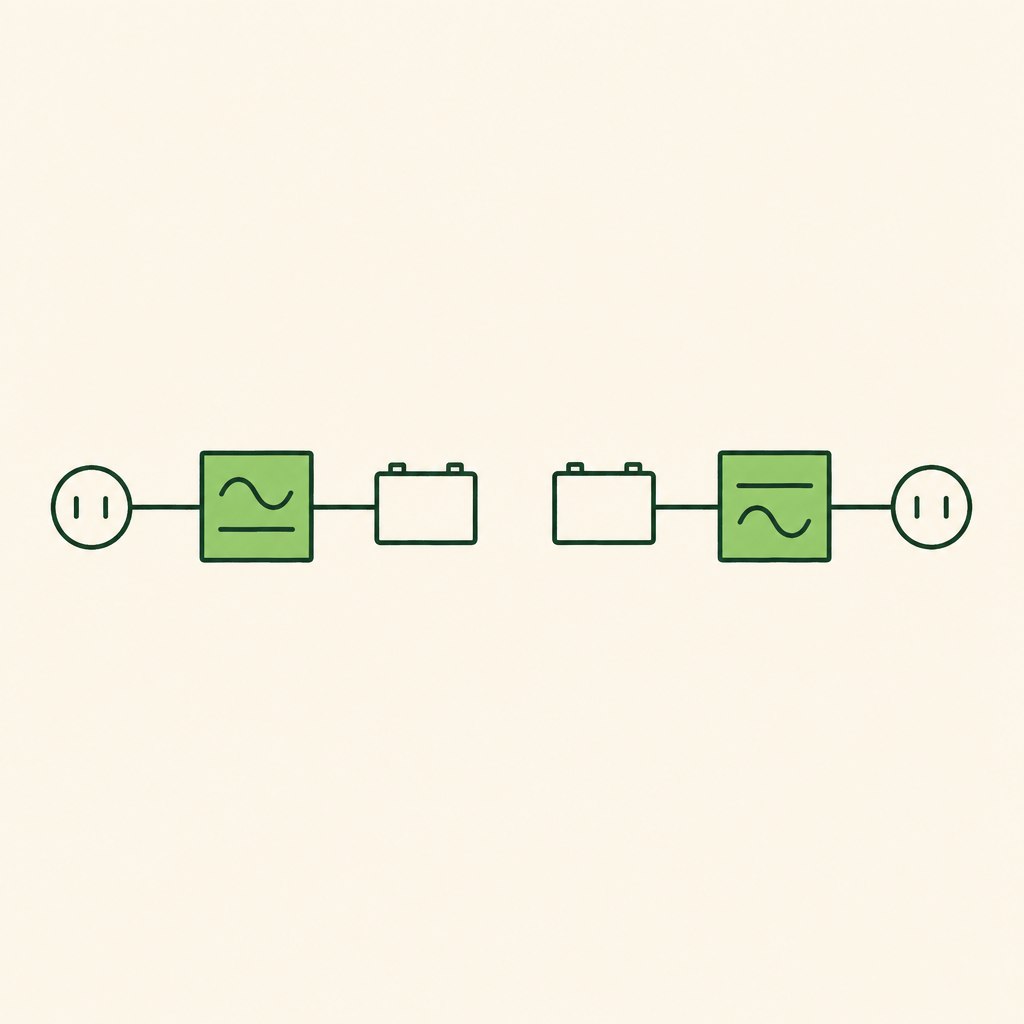
They work in opposite directions. An RV inverter takes 12V DC from the battery and produces mains AC for the sockets, which is what lets you run an ordinary domestic appliance with no hook-up. A converter takes mains AC from a hook-up or a generator and produces 12V DC to run the van's lights and 12V circuits, usually while charging the battery as well. An inverter makes power out of the battery; a converter puts power back into it. Most vans with an inverter also have a converter or charger, and one device that does both jobs is an inverter-charger.
The inverter: battery to mains
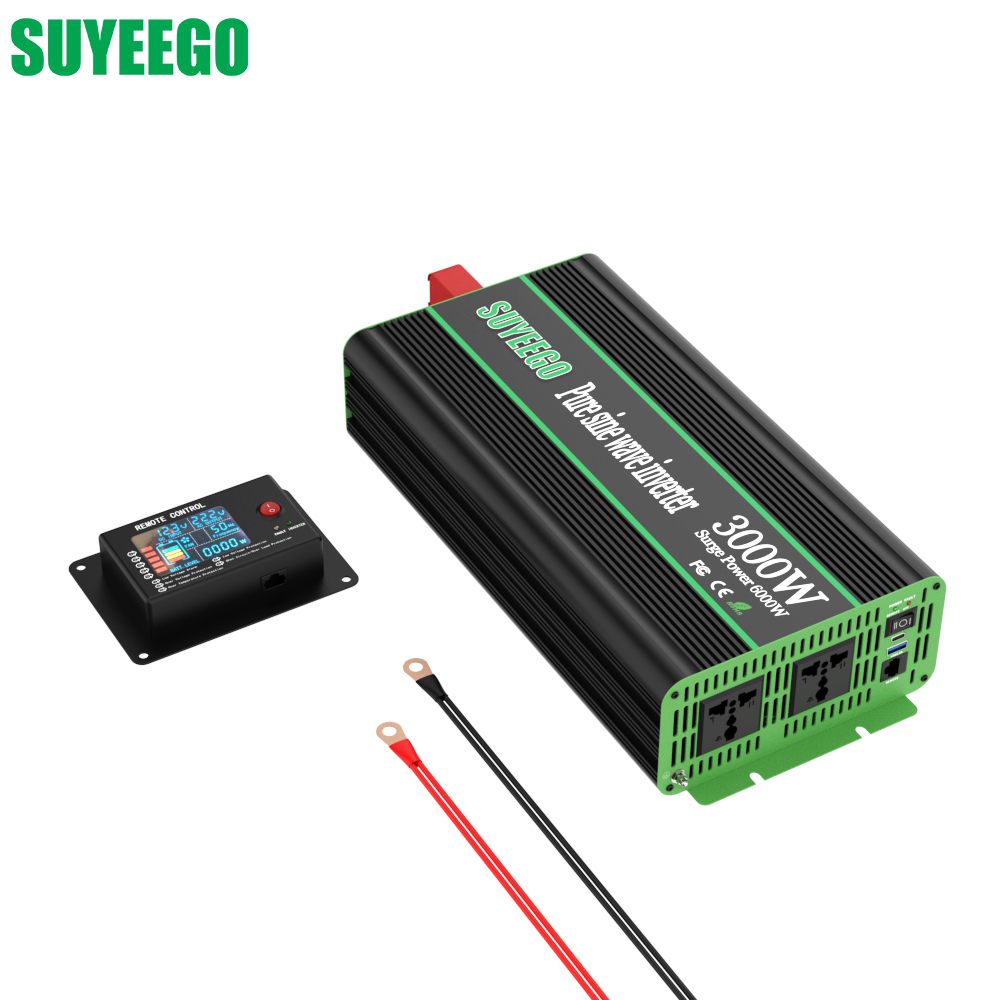
An inverter is the piece that lets a 12V van run 230V appliances. It takes the battery's DC input and produces an alternating output at mains voltage, which is why the higher-power models are sold with a continuous rating and a peak rating — the continuous figure is what it can hold, and the peak is what it can survive for a moment during a motor start.
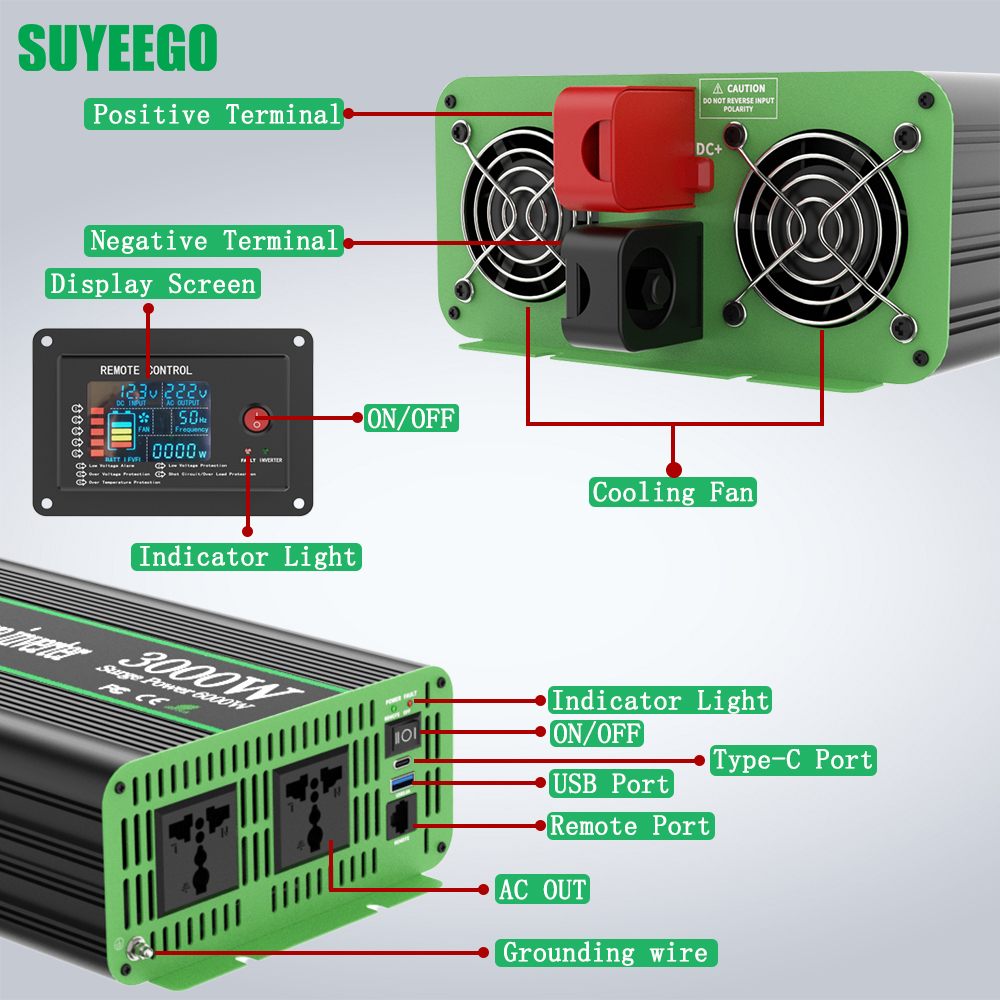
- Input: 12V or 24V DC from the battery bank.
- Output: mains AC, 110V or 220V depending on the market.
- Rated by continuous output first, peak second.
- Does nothing at all when there is no battery supply — it is a load on the battery, not a source of energy.
The converter: mains to 12V
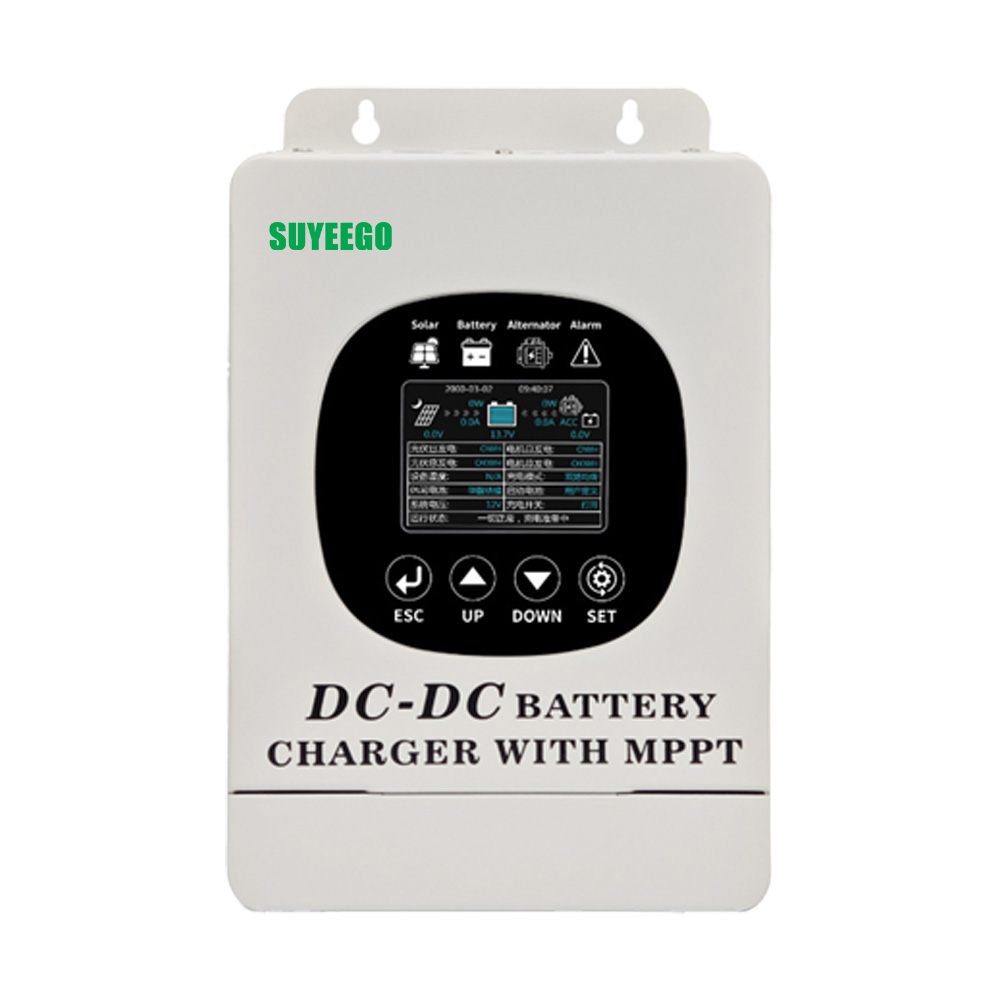
A converter goes the other way. On a hook-up it takes the mains supply and produces a stable 12V rail for the van's lights, pumps, fans and control circuits, and in the same box it charges the battery. This is why a converter is sometimes called a power supply or a charger, and why an older van can have a converter and no inverter at all: with mains available, there is nothing for an inverter to do.
The single box that does both
An inverter-charger combines the two directions and usually adds the transfer switch as well, so the same wiring serves both modes. It is the tidiest arrangement in a van, at the cost of a single point of failure and a higher price. If the build already has an inverter and a separate charger, nothing is gained by replacing them with a combined unit until one of them needs replacing anyway.
Working out which one is misbehaving
| Symptom | Which side to look at |
|---|---|
| No mains at the sockets when there is no hook-up | The inverter: supply, fuse, alarm or shutdown |
| 12V lights dim or fade while hooked up | The converter or charger, or its mains supply |
| Battery flat after a week on hook-up | The charger stage of the converter |
| Inverter runs but the appliance does not start | The peak rating, or the appliance's start-up current |
| Everything dead with the engine off | The battery isolator or the main fuse, not either device |
What the range publishes
SUYEEGO's pure sine wave inverter range (SYGG-FSC) covers 1000W to 3000W in five models, with peak ratings of twice the continuous figure, 12V or 24V DC input, 110V or 220V output with 50Hz or 60Hz on request, efficiency above 95%, a low-voltage alarm at 10.5V on a 12V bank and cut-off at 10V. The DC-DC charger range covers the other direction of travel — charging the leisure battery from the alternator — with 40A and 60A models at a stated 98% conversion efficiency.
Frequently asked questions
- Do I need both an inverter and a converter?
- Only if you want both jobs done. A van that is always on a hook-up needs a converter or charger to run its 12V circuits and keep the battery up; a van that wants to run mains appliances away from a hook-up needs an inverter. Many builds end up with both, or with an inverter-charger that covers both in one box.
- Can a converter charge a lithium battery?
- A charger can, if its charge profile suits the battery. A 12.8V LiFePO4 battery expects 14.40V to 14.60V; an older fixed-voltage converter built for lead-acid holds a lower voltage and will not bring a lithium battery to full charge, so the two are a poor match.
- Is an inverter the same as a UPS?
- No. A UPS is built to hold up a load for a short time when mains fails, with a very fast switchover. An inverter with a transfer switch does something similar, but its design priority is the opposite: it runs loads from the battery for hours, and the transfer time matters less than the continuous rating.
- Which one draws power when the van is parked?
- The inverter, if it is left switched on. A converter is idle when there is no hook-up. An inverter that stays on draws current and will slowly take the battery down, which is why switching it off when the mains side is not needed is worth doing.