How many days can an RV go off grid on solar?
8 min read
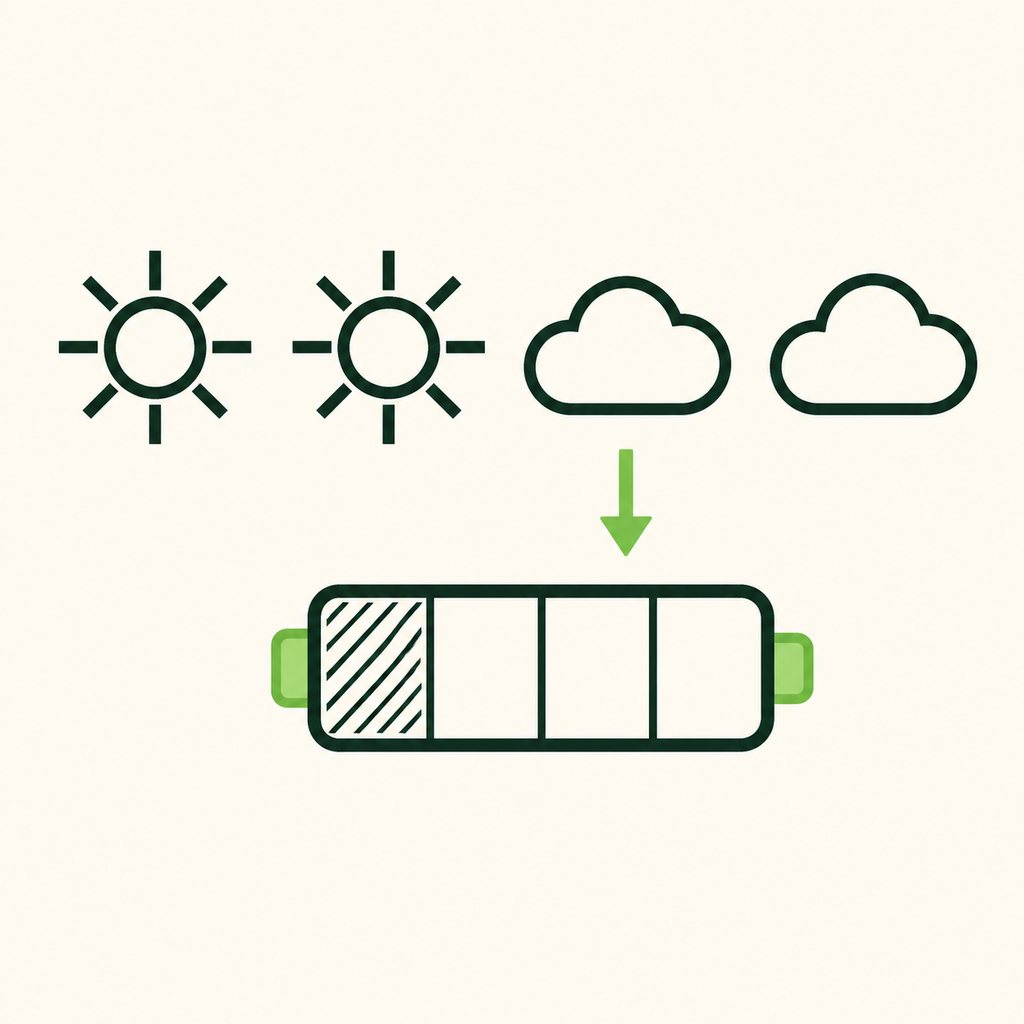
On a sunny day, usable battery capacity divided by daily consumption gives the answer, with the array covering part of the load as it goes. On a grey day the same sum applies but the array contributes a fraction of its rating, so the bank drains. The figure that decides a trip is therefore not the sunny-day number but how many consecutive grey days the bank can cover, because that is what strands people.
The sunny-day arithmetic
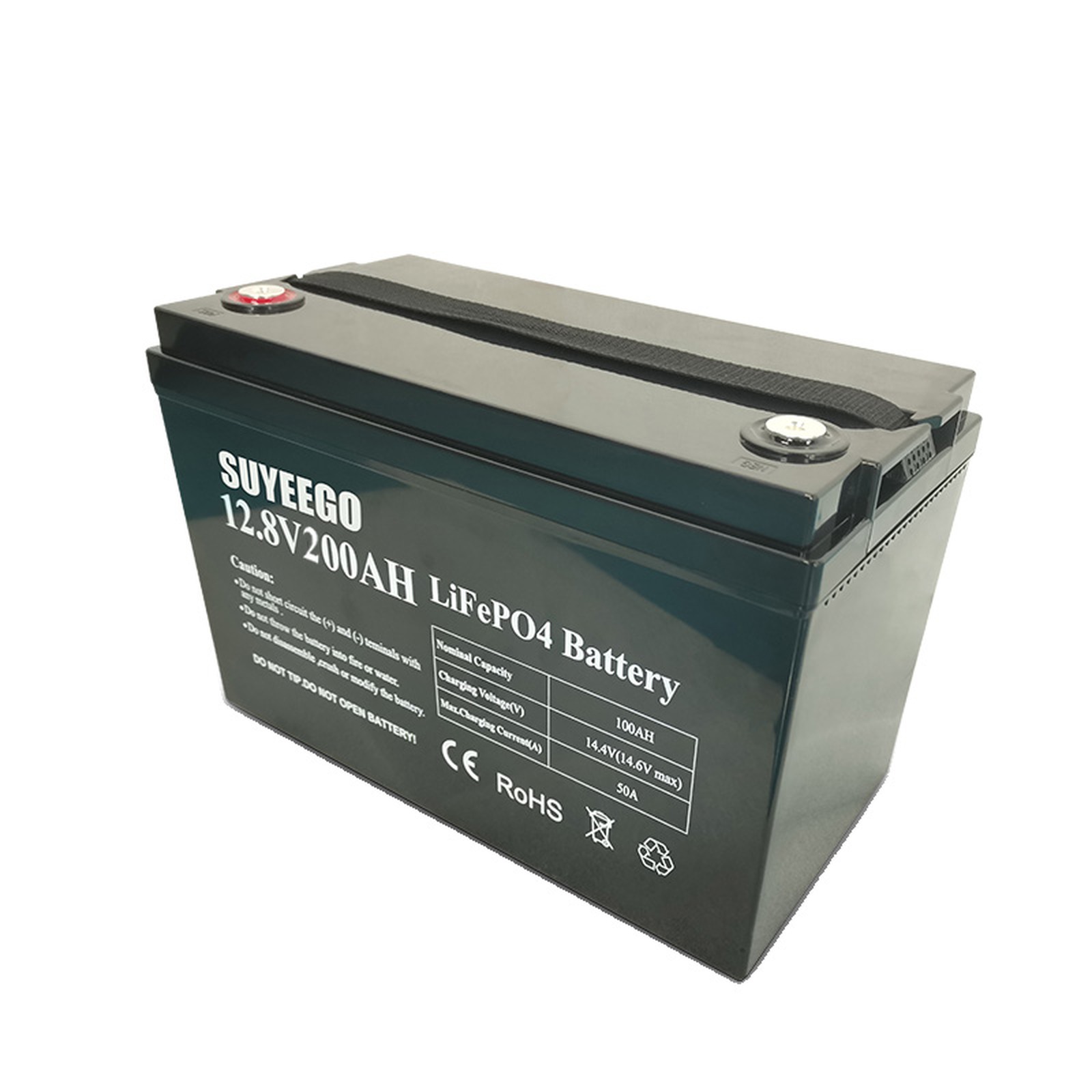
Take the battery's published energy in kilowatt-hours, decide what depth of discharge you are willing to use, and divide by your daily consumption. Our 12.8 V 200 Ah battery publishes 2.56 kWh, so at full depth of discharge and a daily use of 1.2 kWh it covers about two days with nothing coming in — and in practice rather more, because the array is contributing through the day.
Note what that calculation does not include: inverter losses, which turn stored energy into heat, and the fact that the last part of a battery's capacity is harder to extract than the first. Treat the result as an upper bound and subtract a margin.
The grey-day version
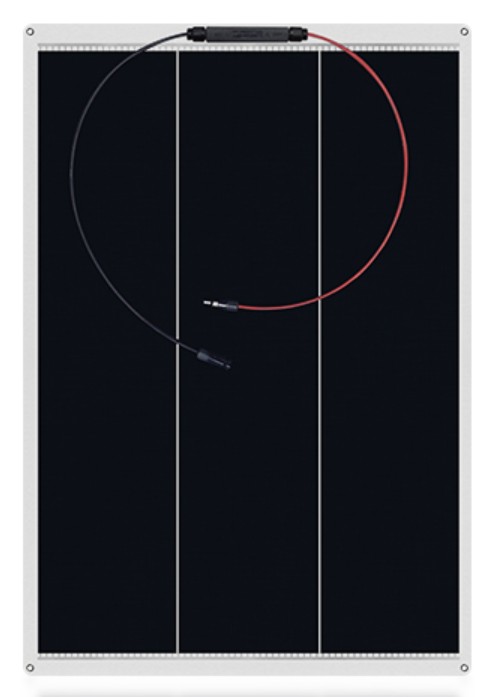
On an overcast day a flat roof array produces a small fraction of its rated output, and how small depends on the cloud, the panel temperature and the angle. There is no single correction factor worth quoting, because two vans side by side will measure different numbers. What you can do is measure your own array's output on a grey day and use that figure instead of the rating.
This is the number most systems are never designed against, and it is the reason a van that works all summer goes flat in November.
The third day is the one that matters
A single grey day costs you little if the sun returns; three in a row is what empties a bank that was sized on the sunny-day figure. So the design question is not how many days you can go off grid, but how long the longest spell of poor weather is on the trips you actually take.
If the honest answer is that you want to sit out a week of rain, the cheapest response is usually not more battery. It is a way to charge by other means — driving, a DC charger, or a generator — because a battery bought to cover a week of rain sits unused for the other fifty weeks.
A worked example with stated assumptions
| Assumption | Value | Why this value |
|---|---|---|
| Battery | 2.56 kWh published | 12.8 V 200 Ah LiFePO4 |
| Depth of discharge used | 80% | Leaves margin and extends cycle life |
| Usable energy | 2.05 kWh | 2.56 × 0.80 |
| Daily consumption | 1.2 kWh | Measured, not estimated |
| Sunny days covered | about 1.7 days | 2.05 ÷ 1.2, before array input |
| Grey-day array output | 0.3 kWh per day | Your own measurement, not a rating |
| Net drain on a grey day | 0.9 kWh | 1.2 minus 0.3 |
| Grey days covered | about 2.3 days | 2.05 ÷ 0.9 |
Three ways to extend it, cheapest first
- Cut consumption: the cheapest kilowatt-hour is the one you stop using, and an inverter switched off overnight costs nothing
- Add charging you already own: a DC charger turns driving hours into battery energy, and most vans drive more than they realise
- Add battery: effective, and the most expensive per day of autonomy gained, because the capacity is only used in bad weather
Frequently asked questions
- Can an RV run indefinitely off solar?
- In a sunny climate with modest consumption, a well-sized array can keep up with daily use indefinitely, because the battery only has to bridge the night. The limit is the run of poor weather, not the average day.
- How much does cloudy weather reduce solar output?
- Substantially, and by an amount that varies too much to quote as a single figure. Measure your own array on a grey day and design against that reading rather than against the panel's rating.
- Is it better to add battery or add panels?
- Panels if your problem is recovering during the day; battery if your problem is getting through the night or a grey spell. They solve different failures, and buying the wrong one is why some systems still disappoint after an upgrade.
- Does driving count as charging?
- Yes, if the van has a DC charger or a split-charge system. An hour of driving can put back more than a roof array collects on a grey day, which is why touring vans need less battery than stationary ones.