Can you install an RV solar system yourself?
9 min read
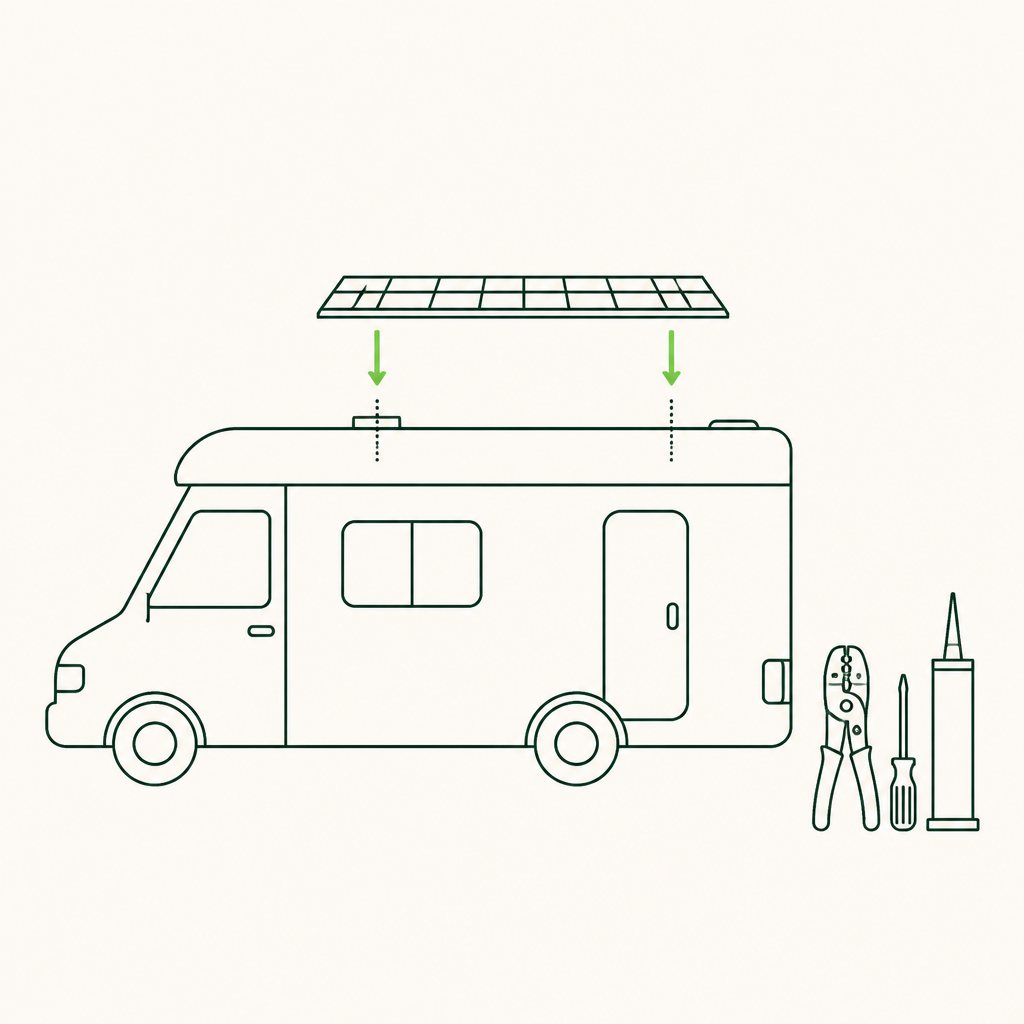
Most of a 12 V system is within reach of a careful DIYer: mounting panels, running cable, crimping, fusing and connecting the controller. What stops most people is not skill but consequence — cutting a roof, sealing a penetration, and anything that touches mains voltage or the vehicle's earthing, which in most markets is work for a qualified person. Decide by which of those three your job involves, not by how confident you feel.
What is genuinely doable at home
Mounting a panel to a roof rack, running cable through existing conduit, crimping lugs, fitting an inline fuse, and connecting a controller to the battery are all mechanical and low-voltage tasks. They reward patience and a torque wrench rather than experience, and a mistake usually shows up as a system that underperforms rather than one that injures anybody.
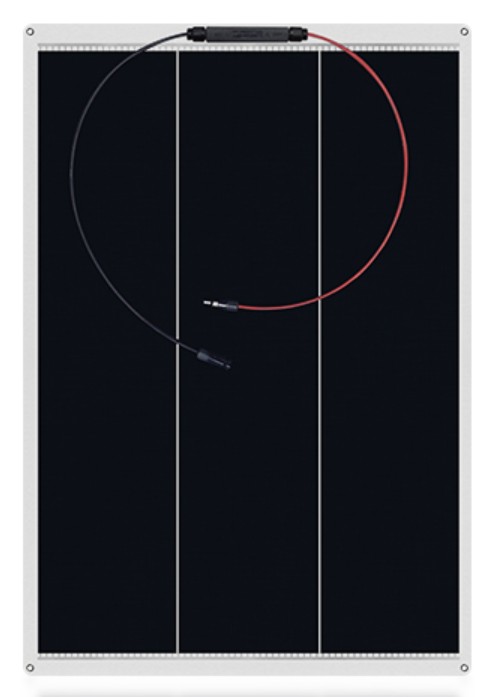
- Fixing brackets or bonding a flexible panel to a flat surface
- Routing cable along existing runs and securing it so it cannot chafe
- Crimping and heat-shrinking terminals, with the correct tool
- Fitting fuses and a DC isolator where the cable leaves the array
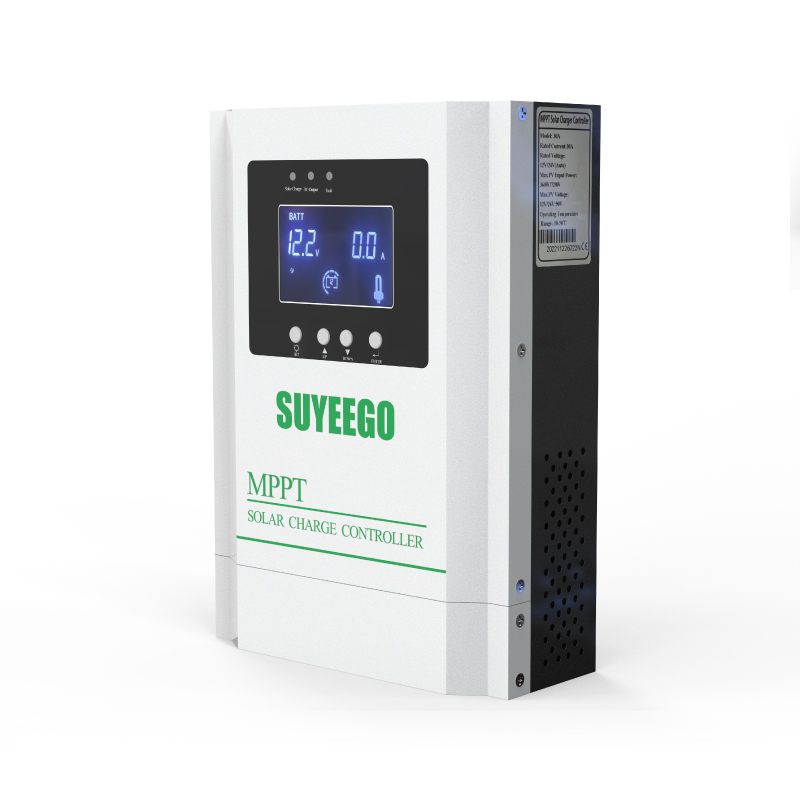
- Connecting the controller to the battery in the right order
What needs experience: anything that opens the shell
The moment a job involves cutting a hole in the roof or the body, the risk profile changes. A badly sealed cable entry lets water into the structure, where it does not announce itself until the ceiling stains months later, and a hole in the wrong place can pass through a wiring loom or a structural member you cannot see from above.
If you do it yourself, the sequence that works is: confirm from inside what is behind the surface, drill a pilot hole from inside out, seal with a proper roof gland rather than sealant alone, and test with a hose before you fit the interior trim back.
What needs a qualified person
Anything on the mains side of an inverter — the 230 V or 110 V output, a transfer switch, a hookup inlet — is not a 12 V task that happens to be at higher voltage. It carries the same risks as domestic wiring, in a vehicle that moves, vibrates and is often wet, and in most markets it is regulated work.
Earthing and bonding sit in the same category. Whether the 12 V negative is bonded to the chassis, and how the inverter's earth relates to that, is a question with a right answer that depends on your installation and your local rules; guessing produces either a shock risk or an earth loop.
The tools that decide whether the joint is good
A crimped joint is only as good as the crimper. Pliers and a hammer produce a connection that looks closed, measures fine when the system is idle, and heats up under load — which is where a fire starts. A proper ratchet crimper for the lug size you are using, plus a pull test on the first one, costs less than the cable it saves.
The second tool is a torque wrench for the battery terminals. Under-tightening gives resistance and heat; over-tightening cracks the terminal or strips the thread in a soft lead post, and neither failure is obvious from outside.
The three rework items we see most
- No fuse at the battery: the cable becomes the fuse, and it does so inside a wall
- Cable sized for the array but not for the length of the run, so voltage drop eats the yield
- A roof entry sealed with silicone instead of a gland, which fails at the first hard frost
All three are cheap to do correctly the first time and expensive to discover later, which is the argument for planning the job on paper before buying anything.
Frequently asked questions
- Do I need to disconnect the battery while installing?
- Yes, and the order matters. Isolate the array first, then the battery, and reconnect battery before array so the controller can establish its reference voltage before it sees panels.
- Will a self-installed system affect my insurance?
- It can, particularly where the installation touches mains wiring or the vehicle's structure. Ask your insurer before starting rather than after; some require a qualified installer's certificate for the mains side.
- How long does a DIY install take?
- A single-panel system with a controller is a weekend for a careful first-timer, most of it spent on routing and sealing rather than on the electrical work. A roof penetration adds hours and is the part worth practising on a scrap panel first.
- Can I install the panels and have someone else do the wiring?
- That is often the best division. The mechanical work is slow and low-risk; the parts that need certification are small and quick, so a professional's time goes where it is actually required.