What does a smart BMS add to a van battery?
6 min read
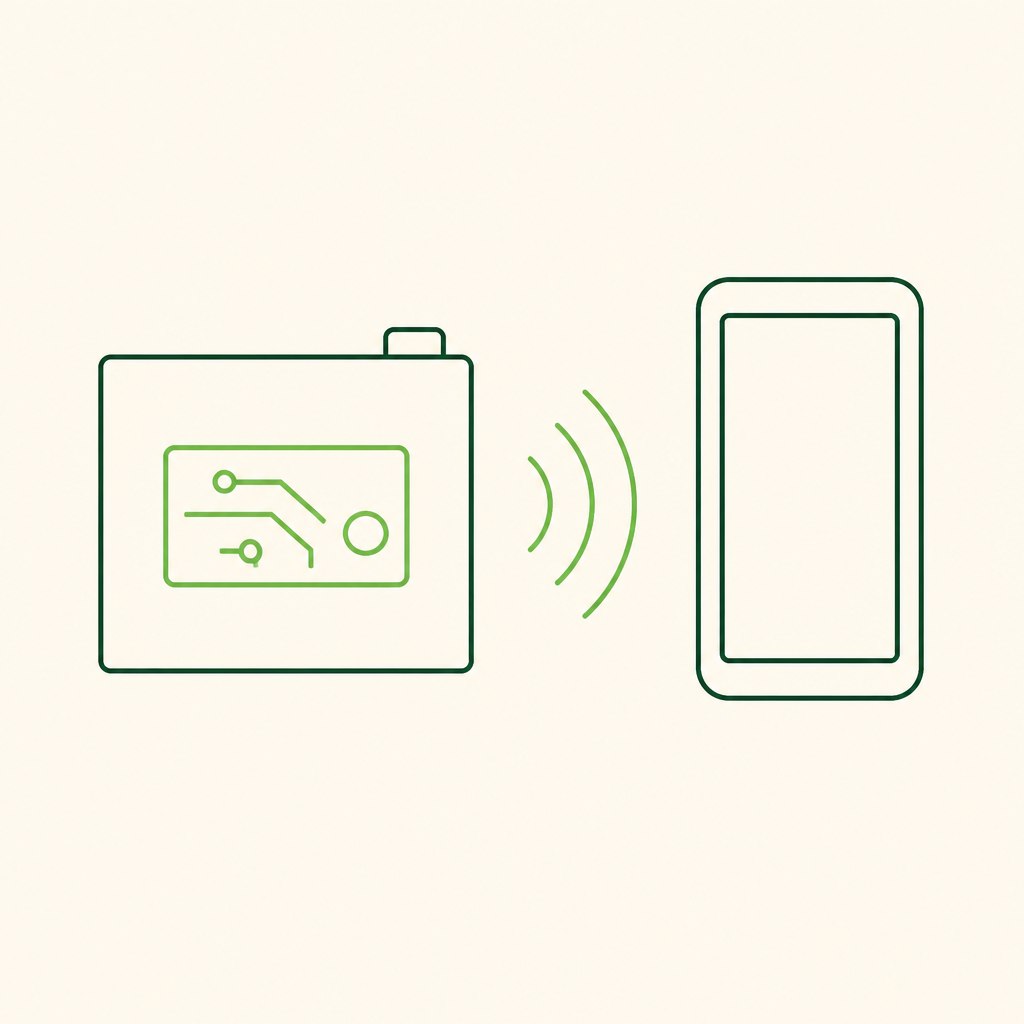
It changes what you know, not what the battery can do. Every lithium leisure battery needs a management system to protect its cells; a smart one adds communication, usually Bluetooth to a phone app and sometimes a wired link to a charger or inverter, so you can see state of charge, current, cell voltages, temperatures and fault history without fitting a separate battery monitor. On a van that is genuinely useful, because it turns a slow diagnosis into a glance and can show why a charge stopped. It does not increase capacity, and it does not replace a shunt-based monitor when you need accurate state of charge over time.
What every BMS already does
The protection layer is the same in every lithium battery: the management system disconnects or limits to prevent over-charge, over-discharge, over-current and operation outside the temperature window, and it balances the cells so that they stay at the same voltage. That is what makes a lithium pack safe to install and what a datasheet's temperature windows refer to. Communication is a separate feature bolted onto the same board.
What the smart part adds
- Live data over Bluetooth: state of charge, pack and cell voltages, current in and out, and cell temperatures.
- Fault and event history, which is the fastest way to answer the question of why a charge stopped or why the battery disconnected.
- Parameter access on some models, allowing basic settings to be changed without a computer.
- A wired link — a CAN or serial connection — to a charger or inverter, so the charger follows the battery's own limits instead of a fixed profile.
Where it earns its place
Two situations make it worth paying for. The first is diagnosis: a lithium system that stops charging in the cold, or that disconnects under load, is hard to figure out without seeing what the management system decided. The second is closed-loop charging, where the charger takes its instructions from the battery rather than assuming a profile, which is the cleanest way to run a lithium bank with a compatible charger.
What it does not replace
- Accuracy. A BMS calculates state of charge from current and time, and calculations drift; a shunt that sees every current in and out of the bank is the reference for capacity questions.
- Serviceability. The electronics are inside the battery case, so a failed communication board is not something you can change at the roadside.
- Protection. The hardware that disconnects the cells is unchanged by the smart part; communication makes it visible, not stronger.
The figures the range publishes
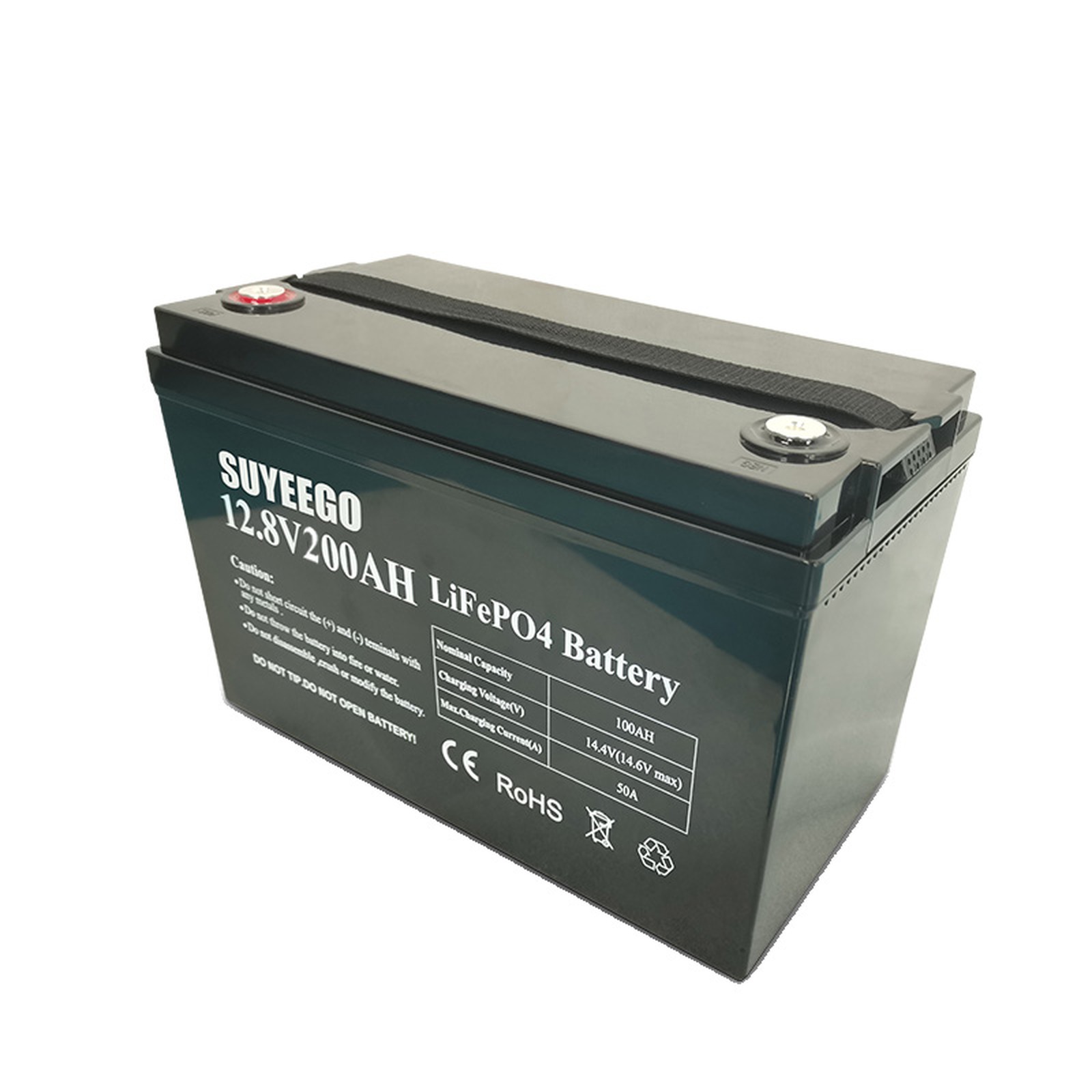
SUYEEGO's 12.8V 200Ah LiFePO4 battery publishes a charge window of 0 °C to 60 °C, a discharge window of −15 °C to 60 °C and a storage window of −15 °C to 50 °C, with 200A of continuous discharge, up to 100A of charging at 14.40V to 14.60V, 6000 cycles at 100% depth of discharge and an IP55 case. Heating is available as an option for cold-weather charging. Whether a given unit also offers app access or a wired link to a charger is a question for the supplier, and it is worth asking before the battery is built into the van.
Frequently asked questions
- Is a Bluetooth BMS accurate?
- It is accurate for what it measures directly, which is cell voltages, current and temperature. State of charge is usually calculated from current over time, and that calculation drifts, which is why a shunt-based monitor is still the reference for capacity questions.
- Does a smart BMS make a battery safer?
- It adds information rather than protection. The hardware that disconnects the cells is the same; what changes is that you can see what happened, and act before a repeat of it.
- Can I add monitoring to a battery that has none?
- Yes, with an external shunt or monitor wired into the bank, which also gives you the accuracy a BMS app often lacks. A battery whose management system has no communication cannot be upgraded in place.