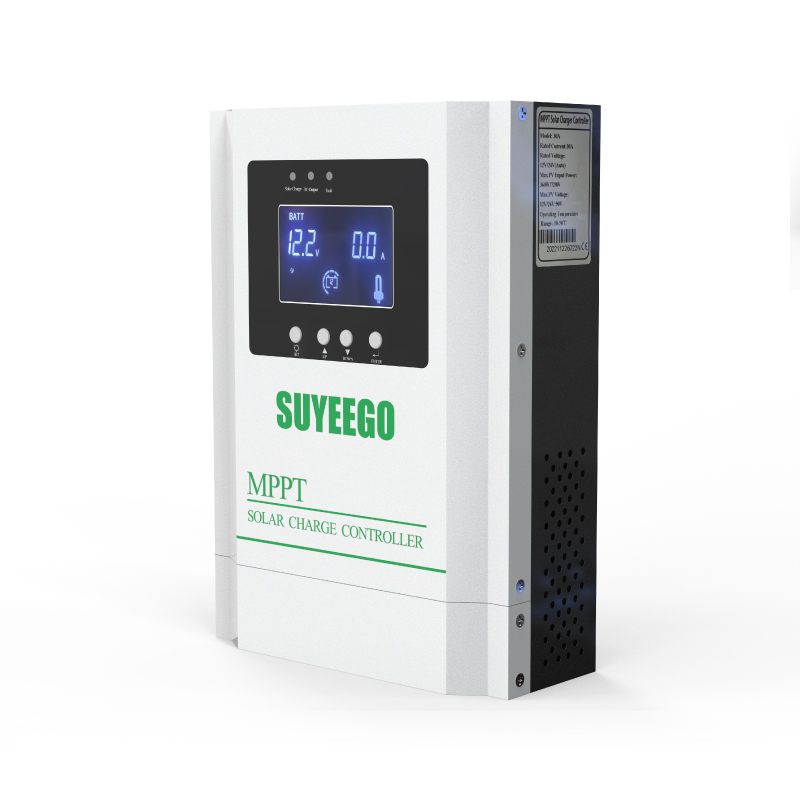
Does an RV MPPT solar charge controller work in winter?
6 min read
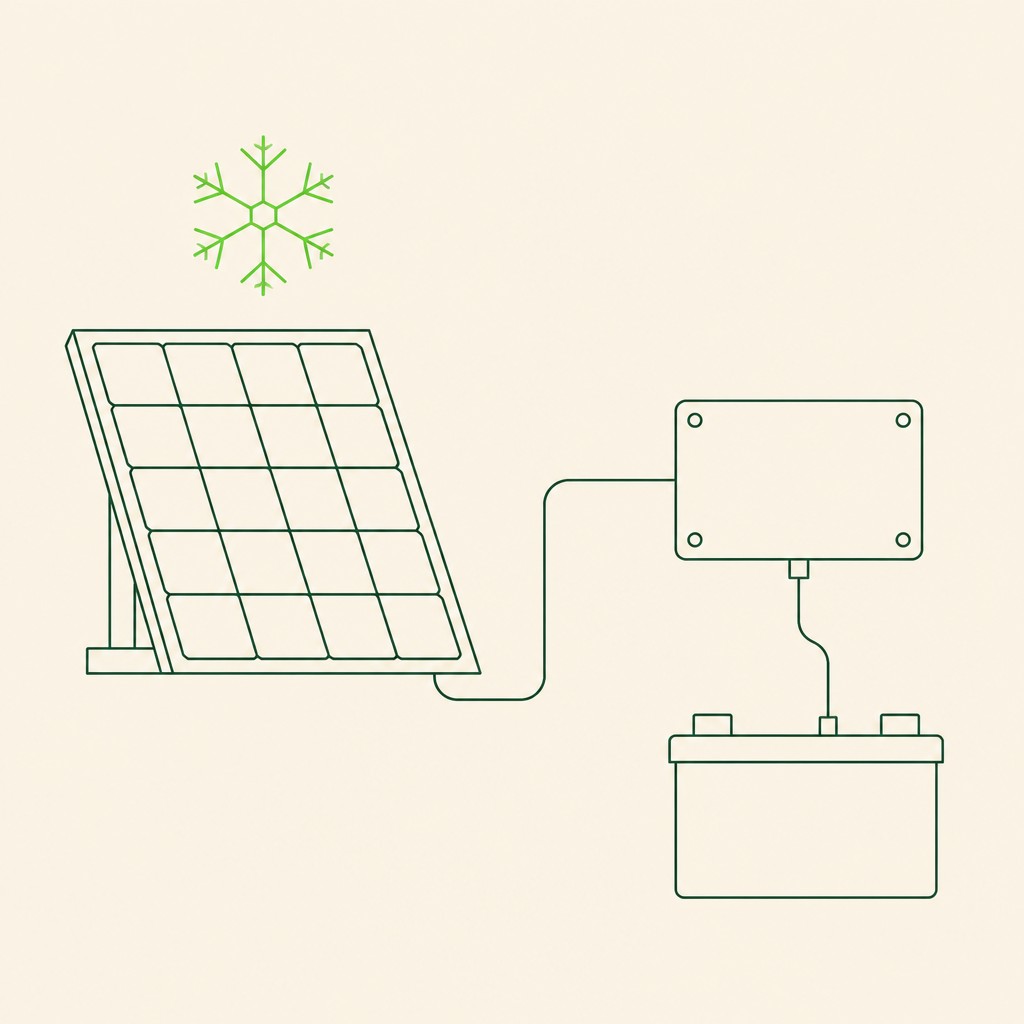
The controller is rarely the winter problem. Our MPPT range publishes an operating temperature of −15 °C to 65 °C and 0–90% relative humidity with no condensation, so cold is within what it is built for, and fan cooling is published across the range rather than being a warm-weather addition. What falls away in winter is the array: a lower sun, shorter days and snow sitting on the glass.
What the controller publishes for cold
| Published figure | Value | What it means in winter |
|---|---|---|
| Operating temperature | −15 °C to 65 °C | Cold is inside the rated range rather than a risk |
| Humidity | 0–90% relative humidity, no condensation | Condensation is the condition to avoid, not the temperature |
| Cooling | Fan cooling across the range | Airflow matters less when it is cold, and still matters in a sealed locker |
| Tracking and conversion | 99% MPPT tracking, 98% conversion efficiency | The tracker keeps doing its job with whatever light there is |
Where winter production actually goes
- Sun angle: a low sun over a van roof is a worse angle and often a shorter window, and the controller cannot recover light that never arrives.
- Snow and frost: a covered panel produces almost nothing, whatever the tracker is doing underneath it.
- Short days: fewer hours of usable light, which reduces the day's total even when the midday peak looks respectable.
- Snow on the ground can help for a few minutes at a time by reflecting light onto a tilted panel, which is a real effect and not something to plan a system around.
The battery side in winter
Winter is also when the battery's own rules start to bite, particularly for lithium, where accepting charge below freezing is a decision the battery makes rather than the controller. The controller's published minimum working battery voltage still applies: 10.5V on the 12V and 24V models, 40.5V on the 48V and 96V models, and a bank that has dropped below it will not charge until it is brought back by other means.
What to do about it
- Clear the panels rather than the controller, and check the published ceiling before assuming the array is fine.
- Expect the profile to take longer rather than to fail: less current over more hours is still charging.
- If the display shows a healthy battery voltage and a low panel voltage, that is winter, not a fault.
- If the van is being stored rather than used, the question shifts to storage practice rather than to the controller, and disconnecting the bank is simpler than watching it.
Frequently asked questions
- What is the lowest temperature an MPPT controller can work in?
- Our range publishes an operating temperature of −15 °C to 65 °C, so cold weather is inside the rated range. What matters as much is condensation, with humidity published at 0–90% without condensation.
- Why does my controller produce less in winter?
- Because there is less to produce from. The controller still tracks, but a low sun, shorter days and snow on the glass all reduce the array's output before the controller sees it. Compare panel voltage at the controller's terminals rather than judging by the season.
- Is the fan a problem in cold weather?
- No. Fan cooling is published across the range and thermostatically useful rather than being a warm-weather extra. The winter airflow question is the same one as in summer: make sure the controller's vents are not blocked.
- Can cold damage the controller?
- Cold is inside the published operating range. The winter failure mode worth guarding against is at the array: panel open-circuit voltage rises as temperature falls, so a string that sits just under the published ceiling in summer can exceed it on a freezing morning.