Do you need a bigger alternator for a DC charger?
6 min read
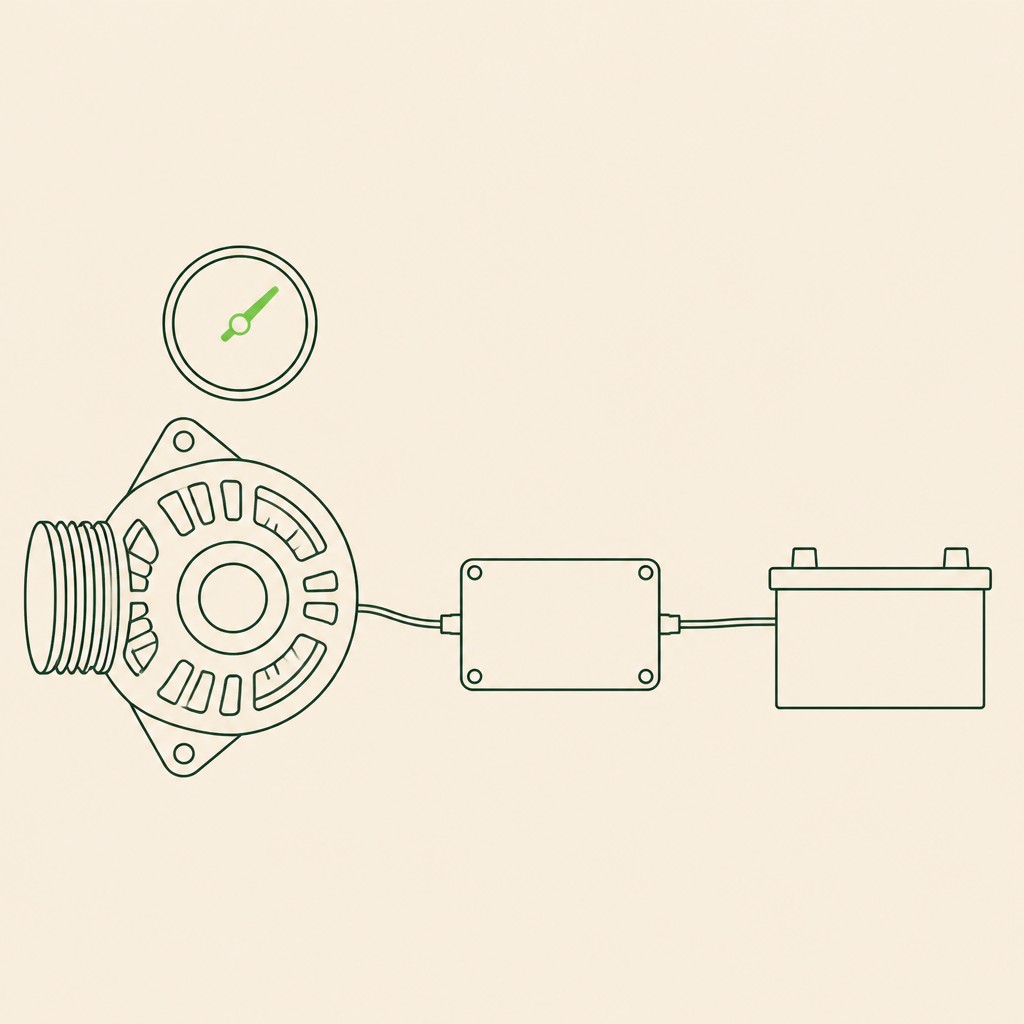
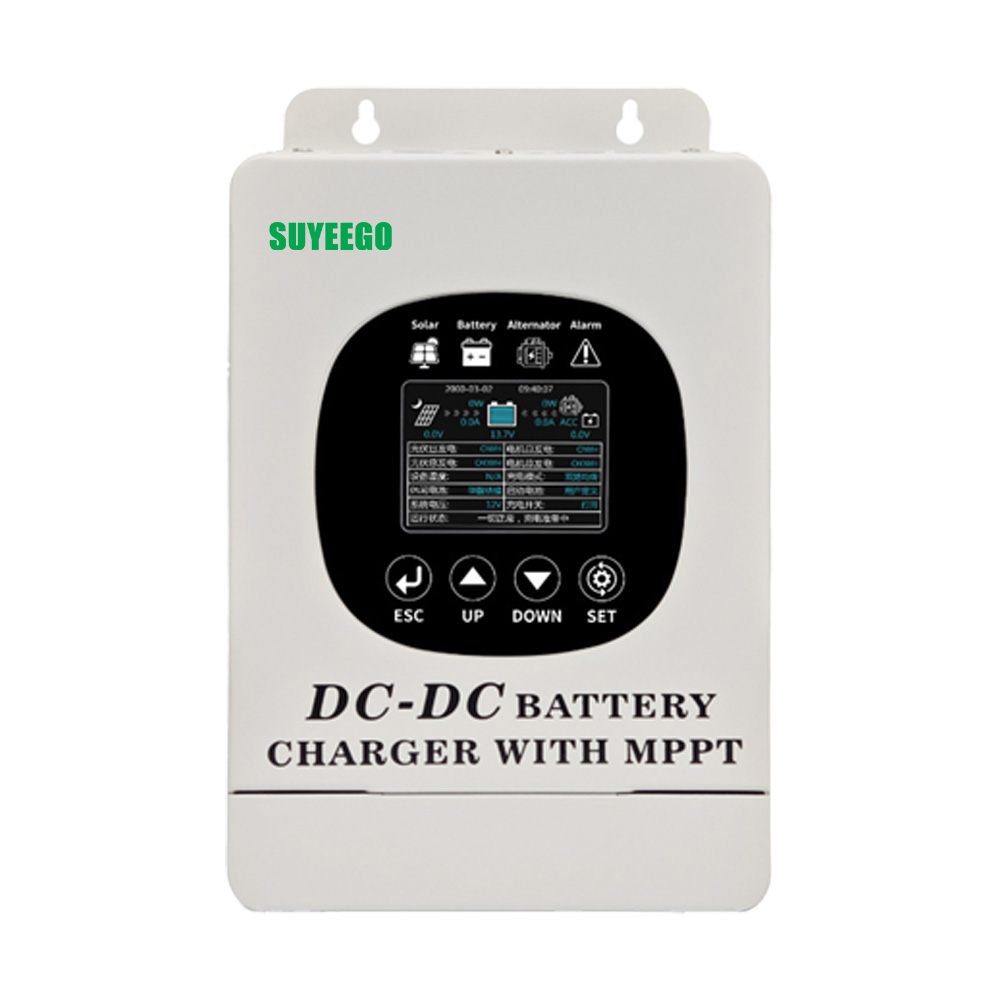
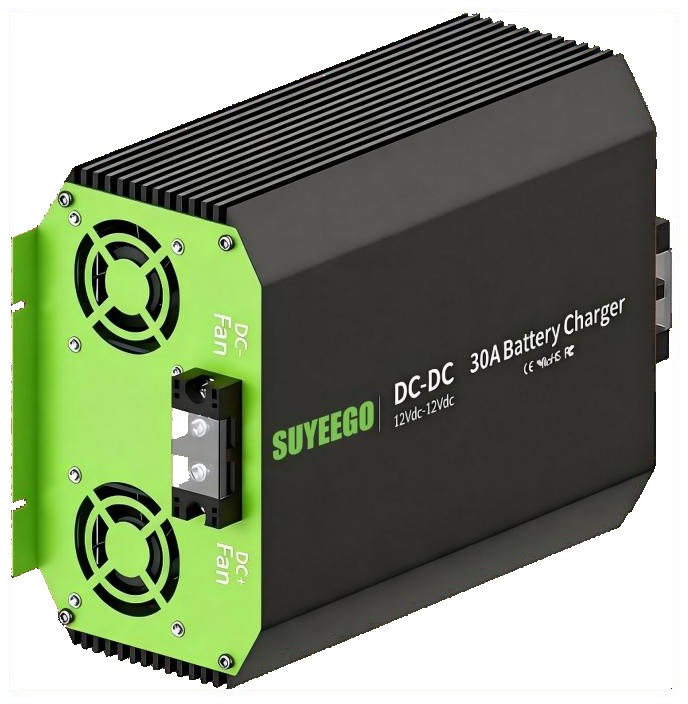
Not always, and the comparison is straightforward once both sides are known. The charger publishes its input limit, which on the DD4048 and DD6048 is a maximum generator input current of 20A and on the 12V 20A to 60A range is an input window of 8V to 16V, and the alternator has to be able to spare that on top of the vehicle's own loads. What we cannot publish is your alternator's rating, because it is a property of the vehicle.
Two figures, one comparison
The question is not how big the charger is; it is how much the charger asks of the alternator. That figure is published on our side, which makes the comparison a matter of finding the vehicle's number and putting the two together.
| Range | Published input limit | What to compare it with |
|---|---|---|
| DD4048 / DD6048 | Maximum generator input current 20A, maximum generator input voltage 80V | The alternator's spare capacity above the vehicle's own loads |
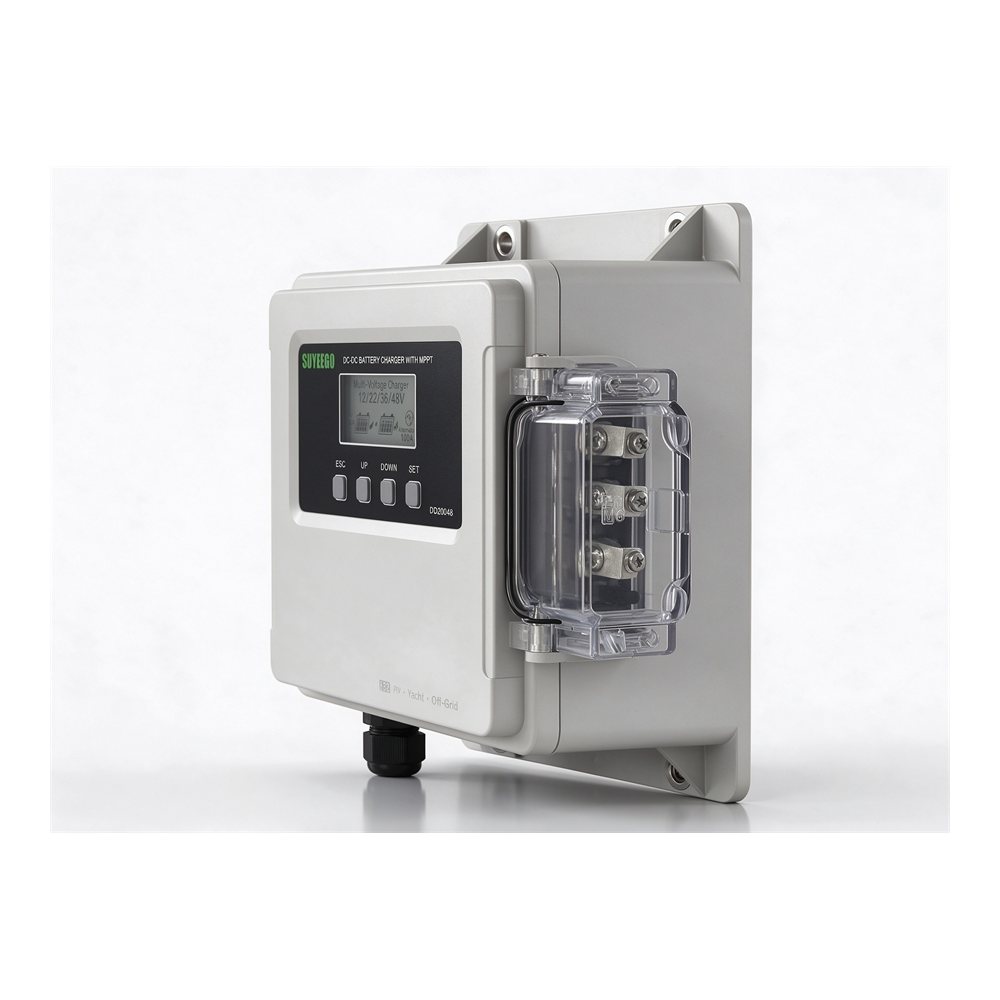
| DD20048 | Alternator input published up to 100A | A much larger draw, so the alternator is the limiting factor more often |
| DC-DC Battery Charger, 20A to 60A | Input from 8V to 16V, output 20A to 60A with up to 750W | The alternator's spare capacity at idle, not just at cruising speed |
Where the alternator runs out
- At idle. An alternator's output is roughly proportional to its speed, so the worst case for a charger is a long, hot traffic jam, not a motorway run.
- With the vehicle's own loads on: headlights, heaters, a heated screen and a fridge all take their share first.
- In winter, when the same journey carries more electrical load and the batteries are harder to charge.
- On a smart alternator, where the regulator may already be holding a low target, which is what the published intelligent-generator window of 12V to 16V on the DD range is designed to work with.
How to check it on your vehicle
- Measure the starter battery voltage at idle and again at about 2,000 rpm with everything electrical switched on, before the charger is fitted. Low readings at idle are the warning sign.
- Compare the charger's published input limit against the alternator's rating, not against its idle output, and leave a margin for the vehicle itself.
- Prefer a model whose draw the vehicle can carry comfortably over one that only works on a cold motorway morning.
- Remember that a charger running from a low input, such as the 8V to 16V window published on the 12V range, still has to pass that limitation on as reduced output.
What we publish and what we do not
We publish the charger's input limits and its conversion behaviour: 20A of generator input on the DD4048 and DD6048, up to 100A on the DD20048, and an 8V to 16V input window on the 12V range. We do not publish alternator ratings, because they belong to the vehicle. If you tell us the vehicle and the intended charger, we can work through the comparison with you, but the number on the alternator is one you or your garage will have to confirm.
Frequently asked questions
- Will a 60A DC charger overload my alternator?
- Not necessarily, because the charger's output is not the same as its draw from the alternator, and the DD4048 and DD6048 publish a maximum generator input current of 20A. Check the published input limit for the model rather than comparing its output with the alternator's rating.
- How do I know my alternator's rating?
- It is a vehicle figure and it is not something we publish. It is usually marked on the alternator or listed in the vehicle's documentation, and a garage can confirm it. Measuring the battery voltage at idle with the loads on gives a practical read on what the current alternator can spare.
- Is a bigger alternator the standard answer?
- It is one answer, and usually the more expensive one. A charger with a published input limit your vehicle can already carry, or a change in when you charge, often solves the same problem. Decide with measurements rather than with the charger's headline output.
- Does charging with the engine idling harm anything?
- It reduces the charge current, because the alternator's output falls with engine speed, and it produces the heat of charging with less airflow under the bonnet. Charging while driving is the efficient case; idling is the one to keep short.