How long does an RV solar system last?
7 min read
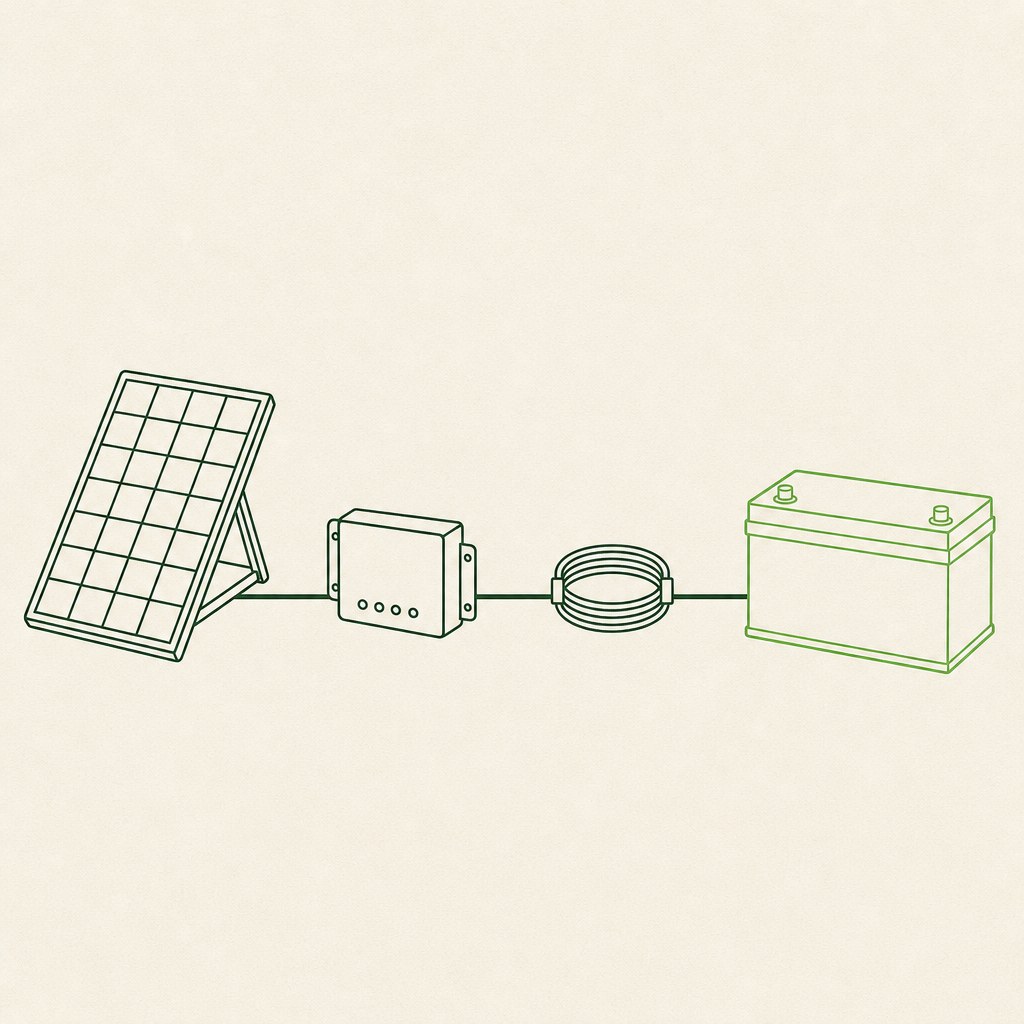
There is no single figure, because an RV solar system is four things that age at different rates: the panels, the charge controller, the cabling and connectors, and the battery. In practice the battery sets the rhythm - it is replaced several times over the life of the panels - and the parts that fail first are usually the mechanical ones at the roof entry rather than the cells themselves.
The question is really about four parts
Asked as one question, lifespan invites one number. But a solar system on a van is an assembly, and each part has its own aging mechanism. The cells degrade gradually and quietly. The controller is electronics and either works or does not. Cables and connectors corrode and chafe. The battery is a consumable by comparison. Treating them as one item makes the answer worse, not simpler.
- Panels - output falls slowly, so the symptom is a lower yield rather than a fault.
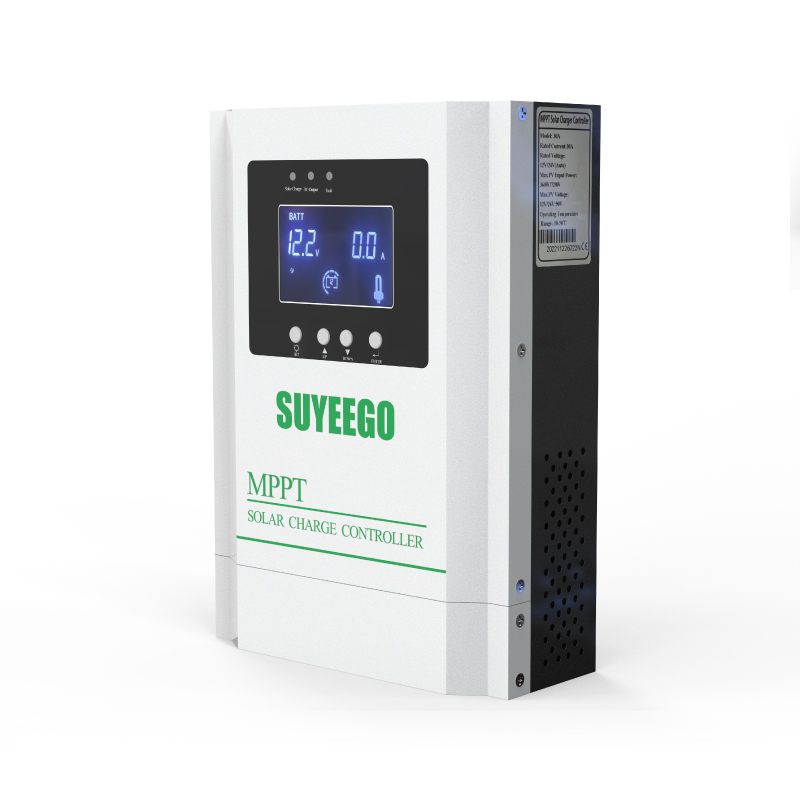
- Controller - solid state, no moving parts beyond its own thermal cycling.
- Cabling and entry - the mechanical layer, and the one exposed to water and vibration.
- Battery - replaced several times over the life of the rest of the system.
What our product data actually states
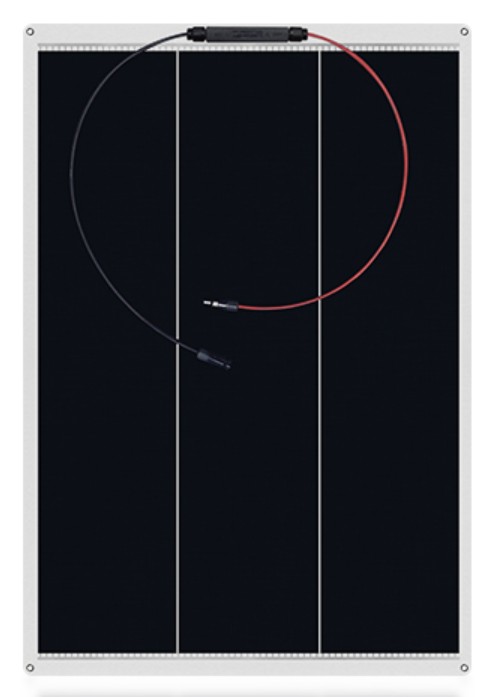
The flexible panel range publishes a 2-year warranty, an ETFE front surface, a high-waterproof TPT back, bypass diodes for shadow tolerance, a cell size of 210 mm by 210 mm, and the full electrical table from 50W to 230W. What it does not publish is a degradation curve, an annual output-loss figure, or a service life in years.
Panels fade rather than fail
A panel that is still producing is not necessarily producing what it did when it was fitted. Output declines gradually, and because the decline is slow, it is invisible day to day. The way it shows up is comparative: the same trip, the same weather, and less returned to the battery than in previous years. That is why a measured yield figure matters more than a calendar age.
This is also why the array yield question deserves its own attention rather than being folded into lifespan. If the system is returning less, the cause may be the panel, but it is at least as likely to be shading, a dirty surface, a failing connection or a controller setting.
The parts that fail first are usually not the cells
In a van installation, the panel spends its life being vibrated, thermally cycled and rained on. The weak points sit where the electrical system meets the structure: the roof entry, the connectors, and any point where a cable can chafe. These are mechanical failures, and they are the reason a maintenance routine is worth more than a predicted lifespan.
The maintenance guide covers what to check and when. The short version is that water finds the entry point, vibration finds the connector, and both announce themselves as a fall in yield long before anything looks broken.
The battery sets the rhythm of the system
A well-installed array and controller can outlast several batteries. That changes what the question means: if you are asking how long before you have to spend money again, the answer is governed by the battery, not the panels. If you are asking how long before the roof has to come apart, the answer is governed by the entry and the mounts.
What we do not publish
We do not publish a service life in years for any part of the system, a degradation rate for the panels, a cycle count for the batteries, or a mean time between failures for the controller. Anyone quoting a single number for the whole system is either describing one part or guessing at the rest.
Frequently asked questions
- Do solar panels on a van need replacing after a fixed number of years?
- No fixed number is published by us, and a calendar replacement is not how these systems are usually maintained. Panels are replaced when output has fallen enough to matter, which is a measurement rather than a date.
- Which part of an RV solar system usually needs attention first?
- The mechanical layer - roof entry, connectors and cable routing - because it is the part exposed to water, vibration and movement. The cells themselves are the least likely culprit when output drops.
- Does the 2-year panel warranty mean the panel lasts two years?
- No. It is the period the supplier stands behind the product, not a statement about how long it will keep producing. We publish it as a warranty term and do not present it as a lifespan.
- Can I extend the life of an RV solar system?
- The measures that matter are keeping the surface clean, keeping water out of the entry, keeping connections tight and dry, and not running the battery harder than its own data allows. None of these are unusual, and all of them address the parts that actually fail.